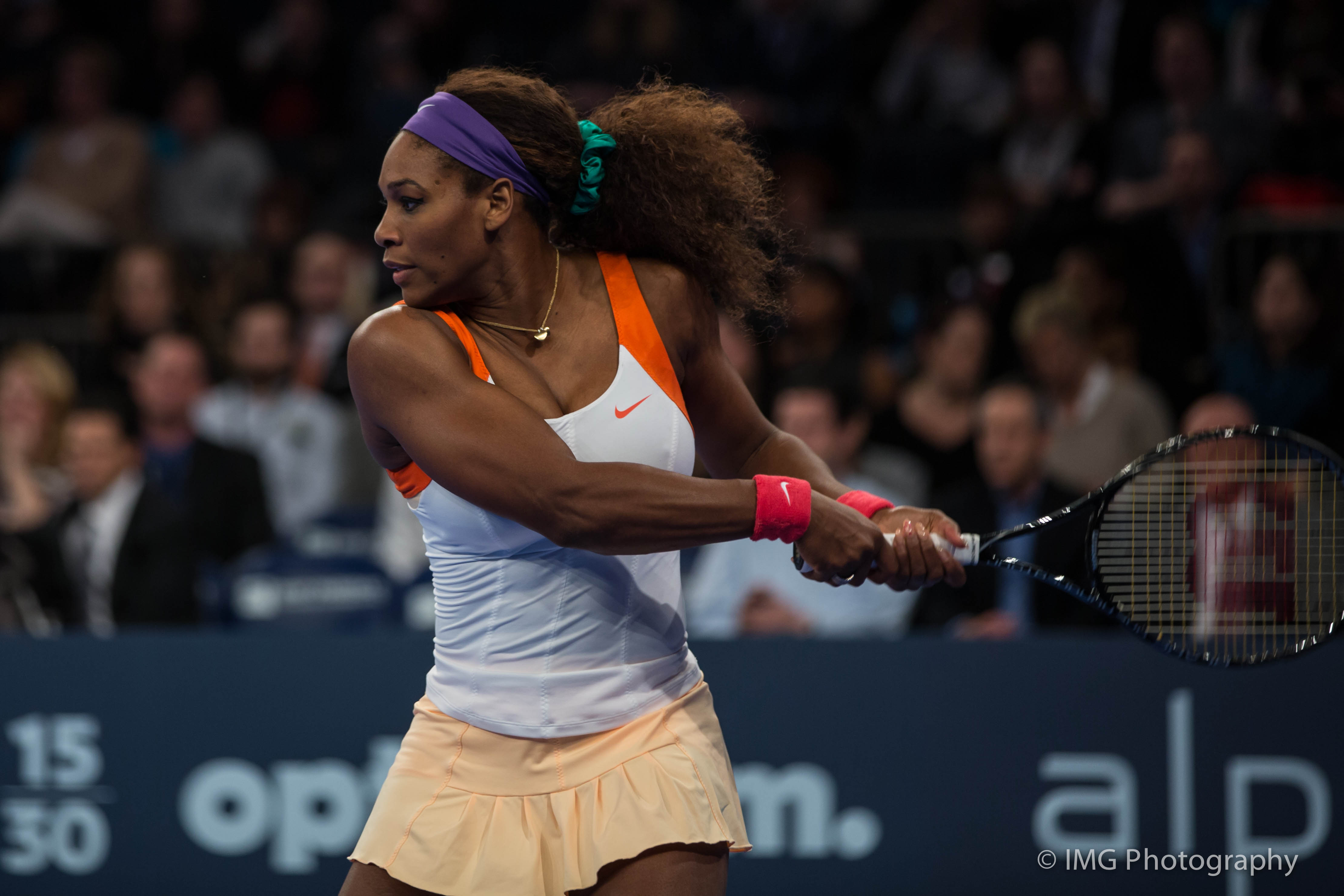
At some point between the first serve and the third set, we collectively decided that retired tennis players coming back to play grass-court tournaments was equivalent to a UN Security Council resolution. Serena Williams hitting a backhand is now treated with the solemnity of a peace accord. Novak Djokovic holding a trophy is apparently the key to Middle East stability.
This year’s Wimbledon preview has all the hallmarks of a state visit. Media outlets are treating Serena’s return like she’s brokering a nuclear deal rather than playing tennis. The Williams sisters’ potential doubles run is being analyzed as if it could unlock affordable housing. Meanwhile, Andy Murray’s new role—whatever it is—has been described with the gravity usually reserved for ambassadorial appointments.
No one is saying outright that a tennis match will solve geopolitical crises, but the coverage sure implies it. Jannik Sinner’s form matters. Djokovic’s mental state is apparently a bellwether for global confidence. A good grass-court rally is now treated as a metaphor for international cooperation.
The absurdity isn’t that these are brilliant athletes returning to do what they do best. It’s that we’ve somehow elevated a sporting event into a cultural moment that will supposedly mean something beyond the scoreboard. Tennis is wonderful. Championships matter. But let’s be honest: no one’s waiting for a Wimbledon result to feel hope about the future.
Then again, maybe that’s exactly why we’re doing this. When the real world feels broken, we build mythologies around people hitting balls on grass. It’s not solving anything. But it feels like it might.