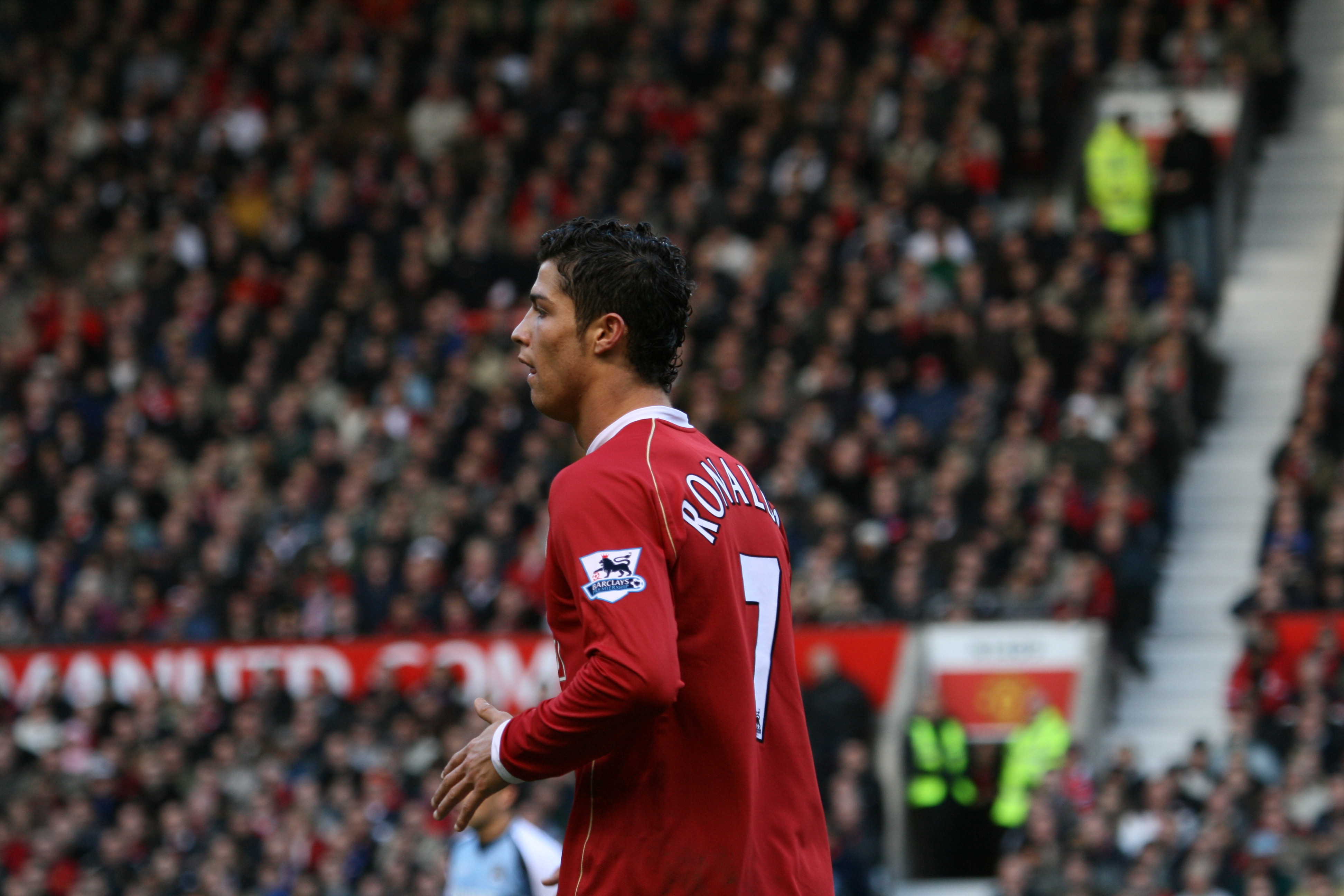
Somewhere in the VAR booth, a technician zoomed in on a pixel. That pixel decided the trajectory of two careers, the emotional arc of a nation, and whether the universe still believes in symmetry.
Cristiano Ronaldo, 41, got his encore. Luka Modric, 40, got his curtain call—but not the one he wrote in his head. A snicko decision so marginal it required the kind of forensic analysis usually reserved for identifying bodies denied Croatia an equaliser that would have sent them through. Instead, Ronaldo remains onstage, still defying the laws of aging and physics, while Modric packs his kit knowing that a sound wave—a sound wave—authored his exit.
This is what modern football has become: a theatre where the cosmic forces are not the eleven players on the pitch but the eleven technicians in a darkened room, armed with frame-by-frame footage and the power to rewrite destiny. VAR did not make a decision yesterday. It made a choice. It chose which legend gets to play one more match and which one doesn’t.
Modric, who won the Ballon d’Or, who orchestrated midfields like a conductor, who proved that a 35-year-old Croatian could be Europe’s best—he leaves because a microphone heard something the human ear couldn’t. Ronaldo, who should have retired three years ago but refuses to acknowledge time, gets to stay because a pixel looked slightly different on replay.
The universe does not care about fairness. It cares about narrative. And VAR, that cosmic puppeteer, knows exactly which story sells tickets.