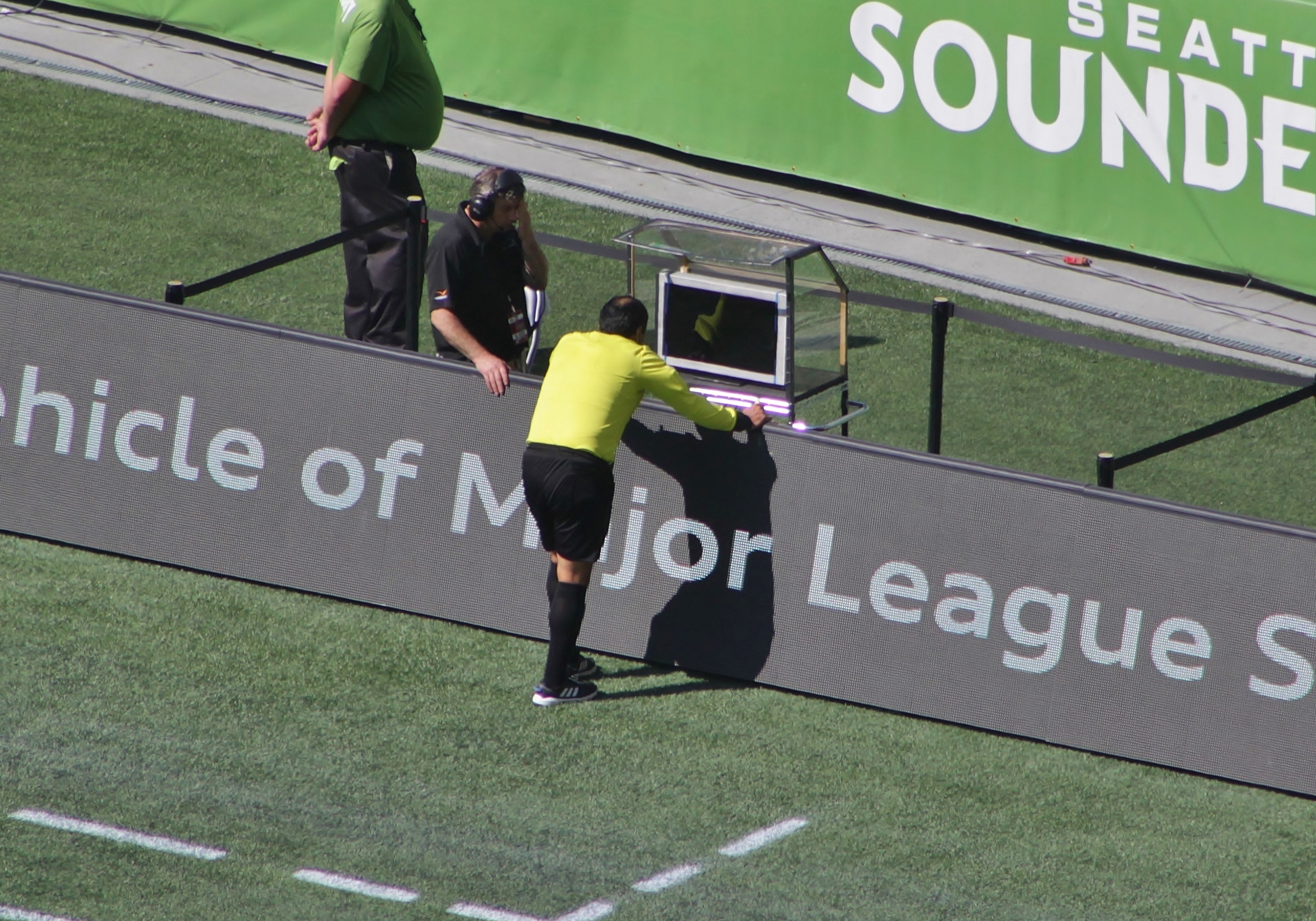
Picture this: it’s the 87th minute of a knockout match. A striker tumbles in the box. The crowd erupts. The referee points to the spot. Then VAR intervenes, and for the next four minutes, a room full of engineers in a darkened studio rewind, enhance, pause, and debate whether the player’s left knee bent at 43 degrees or 44 degrees—the difference between a penalty and a free kick apparently hinging on angles that require a protractor to adjudicate.
Welcome to the 2026 World Cup, where FIFA has decided that diving needed less clarity and more interpretive dance.
The new rules were supposed to simplify things. Instead, they’ve created a Schrödinger’s penalty situation: the foul is simultaneously a dive and not a dive until VAR observes it. Referees are now expected to distinguish between a player who fell because they were fouled and a player who fell because they anticipated being fouled—a distinction that requires reading minds, not reading the rulebook.
The real comedy emerges when VAR gets it “right” but it still feels catastrophically wrong. A defender barely grazes a shirt. The player crumples like a building imploding. VAR checks the angles, confirms minimal contact, and rules: no penalty. The stadium loses its mind. Social media implodes. And somewhere, a FIFA official nods approvingly at their own cleverness, convinced that transparency through technology is working perfectly.
It’s not. What we have instead is a sport where the most important decisions now require a degree in physics, a philosophy degree to parse intent, and the patience of someone waiting for a Windows update to finish.
The World Cup has become a live-action debate about whether objective truth even exists. And that, somehow, is exactly what football needed.