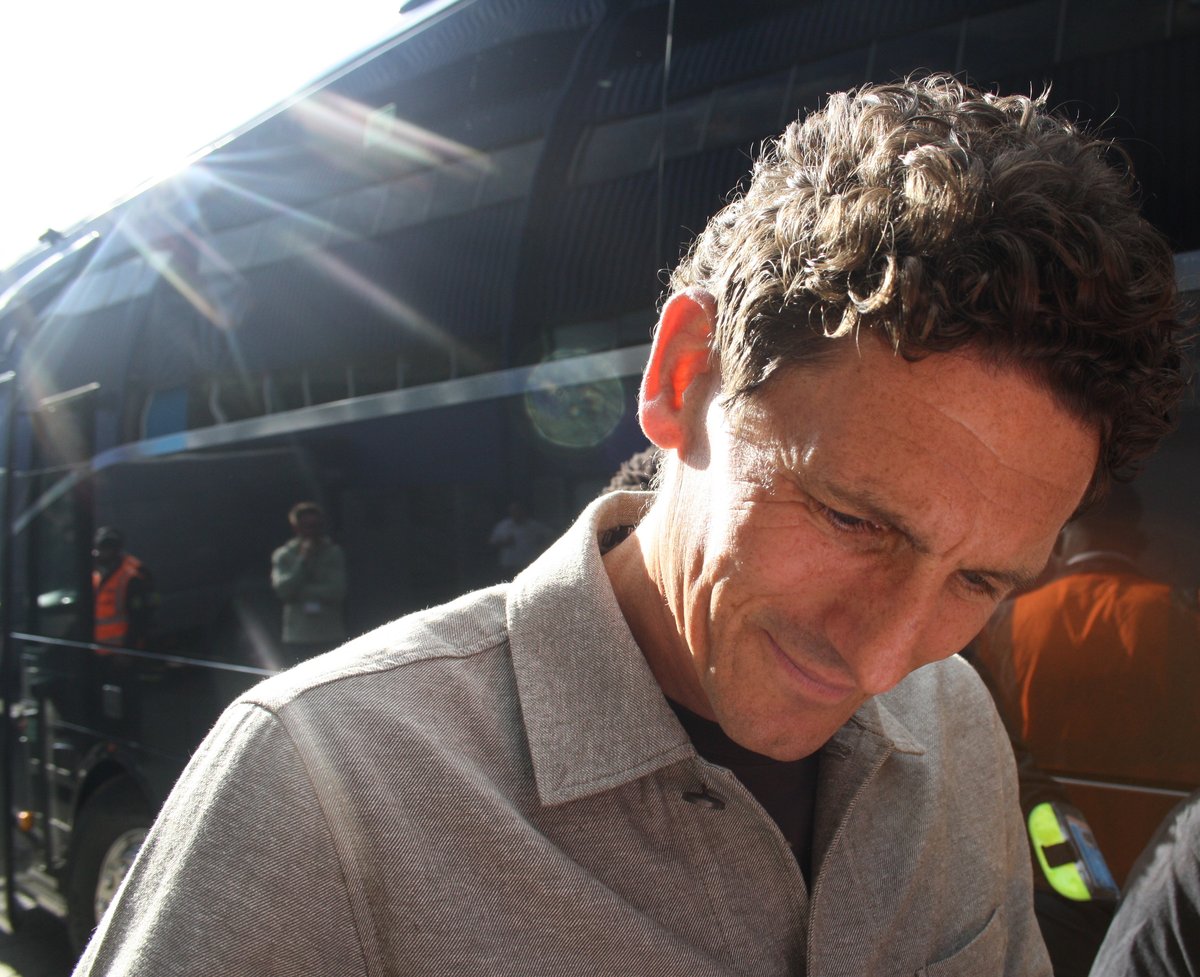
Keith Andrews has diagnosed the condition. Referees are not making decisions anymore. They are making suggestions. They are middle managers waiting for head office to approve their lunch break.
After Brentford’s Carabao Cup win over Reading, Andrews articulated what every referee in England is quietly screaming into their shower tiles: VAR has turned them into ghosts haunting their own pitch. They stand there, whistle in hand, watching a foul happen in real time, and then — because there exists a screen somewhere in a bunker — they must wait. They must wonder. They must become obsolete before the goal is even replayed.
This is the existential horror of modern refereeing. You trained for twenty years to read a game. You developed instinct. You understood the flow, the psychology, the millisecond decisions that separate control from chaos. And now a camera in 4K resolution has declared your eyes inadequate.
The absurdity runs deeper than technology versus tradition. VAR promised clarity. Instead it delivered bureaucracy with better graphics. A referee used to own their decision. It lived or died with them. Now every call is provisional, pending review, subject to debate by people who have never stood in the center circle while forty thousand people decide your entire competence based on one frame.
Andrews is right. Let them ref. Let them be wrong sometimes. Let them be human. Because what we have now is not progress — it is a slow-motion humiliation of anyone brave enough to wear the black shirt, knowing full well that the real power lies elsewhere, in a room, on a screen, in the hands of people who will never face the crowd.