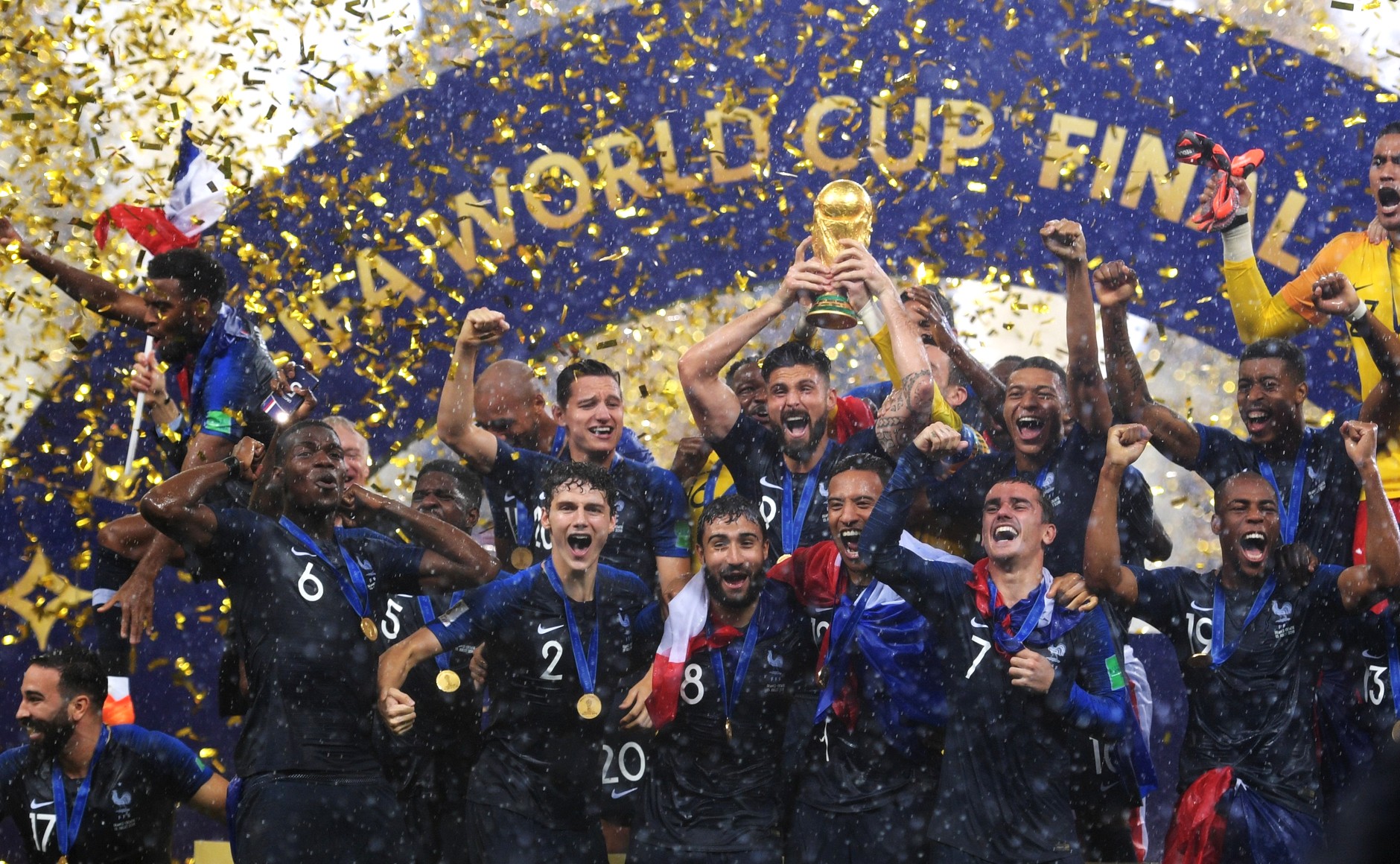
The United States opened their World Cup campaign with a win, which is the sort of thing that should feel straightforward. Instead, we got a masterclass in why giving a camera system the power to make decisions is like handing a toddler the nuclear codes.
Somewhere in the chaos of the match, VAR did what VAR does best: it created a problem while trying to solve one. A player was booked—or rather, the wrong player was booked, because apparently the system designed to eliminate human error had a moment of pure slapstick confusion. It was as if the technology looked at the pitch, squinted, and said, “Yeah, that guy looks guilty.”
The absurdity is almost poetic. We spent billions upgrading stadiums with enough screens to broadcast a small nation’s news cycle, installed microphones that can pick up a player’s sneeze from the tunnel, and trained officials to stare at replays from seventeen different angles. And yet, when the moment came, the system couldn’t tell Player A from Player B.
Fans watching at home experienced what can only be described as a shared moment of existential confusion. Is VAR helping? Is it hindering? Does anyone actually know what’s happening anymore? The technology was supposed to restore faith in the game’s integrity. Instead, it’s given us comedy sketches that write themselves.
The United States still won. That’s the punchline nobody needed. But somewhere, a referee is probably checking his notes wondering which player actually got booked, and frankly, so are we.