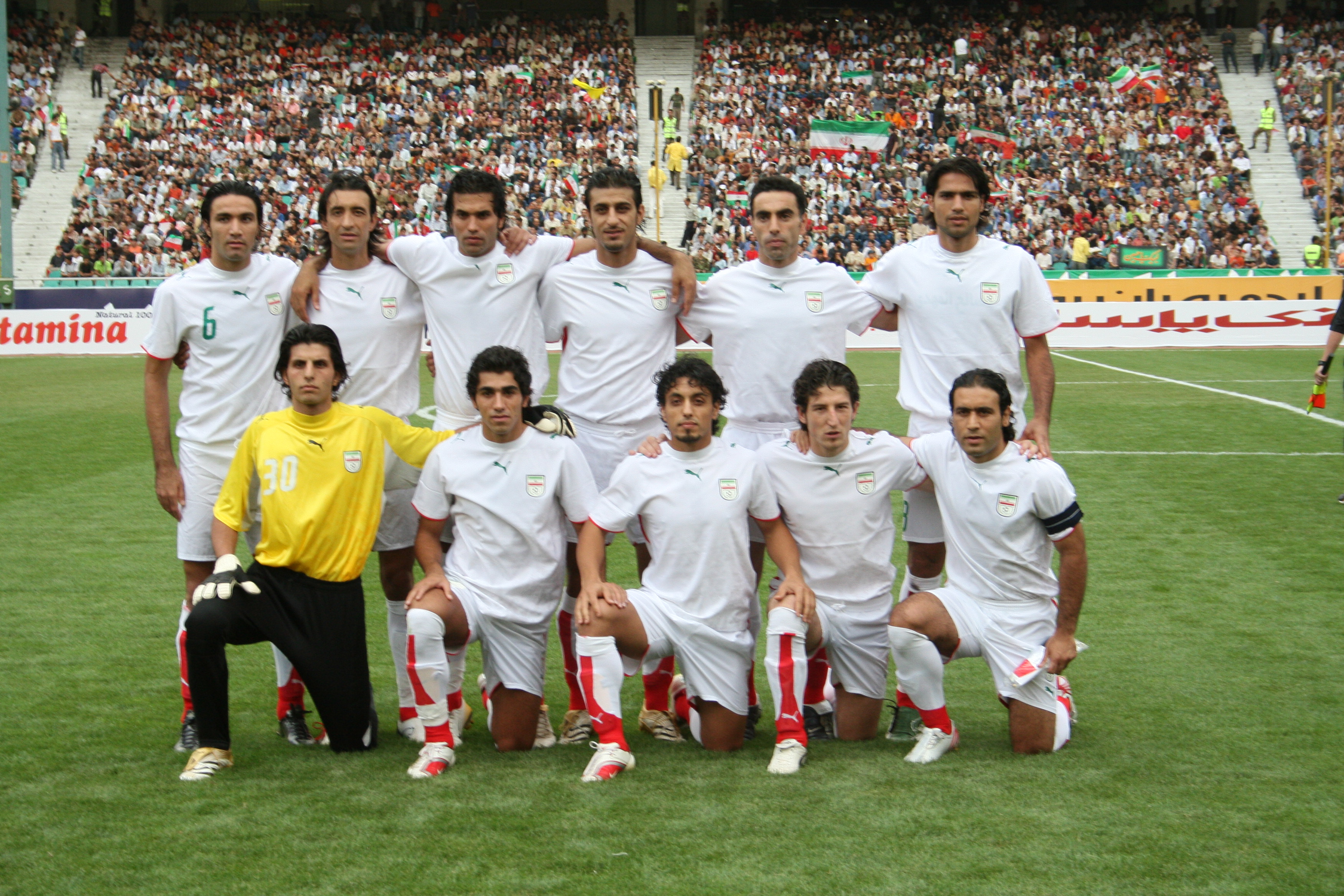
In what can only be described as an act of algorithmic aggression, VAR has officially declared war on Iran’s World Cup ambitions. Shoja Khalilzadeh’s injury-time goal—a moment of pure, unadulterated joy that lasted approximately four seconds before being vaporized by silicon and slow-motion footage—has been ruled out, denying Iran automatic qualification to the last 32.
The implications are staggering. Diplomatic channels are reportedly overloaded. The UN Security Council has been placed on standby. Somewhere in Geneva, a VAR technician is receiving increasingly terse emails from people who definitely know someone important. Iran must now wait on other results like some kind of common third-placed side, forced to refresh ESPN every seven minutes like a civilian.
Historians will mark this moment as the precise instant when artificial intelligence decided that human suffering was actually quite entertaining. The decision itself was technically defensible—there was probably a pixel of an elbow somewhere in the offside frame—but that is precisely what makes it so deliciously catastrophic. VAR did not make an error. VAR made a choice. VAR looked at joy and said no.
The worst part? Iran cannot even appeal to a higher power. There is no court of last resort. There is only the cold, unblinking eye of the machine, reviewing footage that the human eye never needed to see in the first place. Somewhere, a nation is refreshing its phone. Somewhere, a goal that happened is being told it did not happen. This is not football anymore. This is existential dread with a scoreboard.