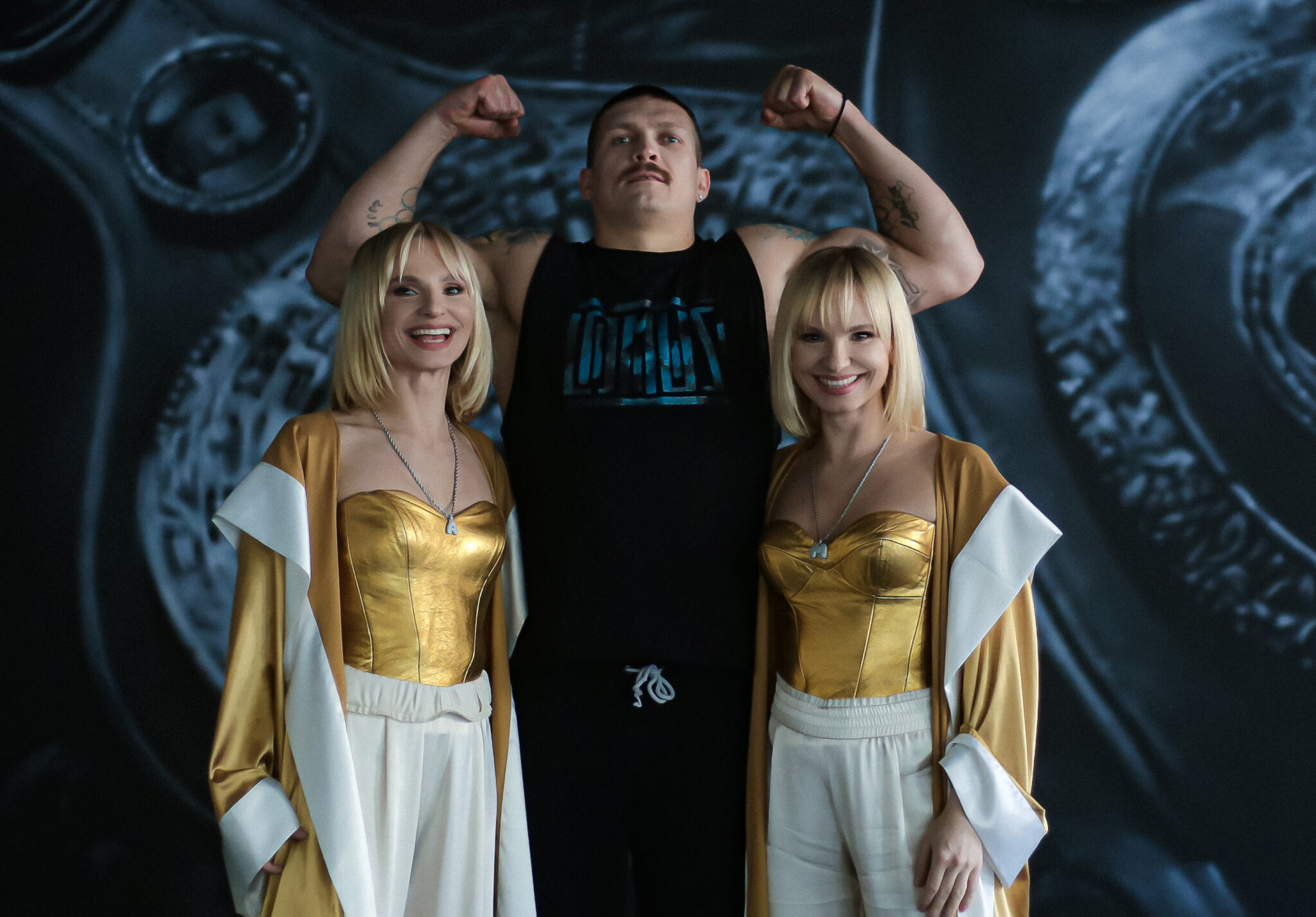
Oleksandr Usyk has announced he will vacate all his heavyweight world titles while insisting—with the conviction of a man rearranging his living room furniture at 2 a.m.—that he is absolutely, positively not retiring. This is the heavyweight boxing equivalent of leaving a Monopoly game after landing on Boardwalk with a hotel, cashing in your remaining properties, and telling everyone you’re just “stepping away to think about the game’s deeper meaning.”
The Ukrainian champion, who has spent the last two years methodically dismantling every heavyweight contender placed before him, has decided that holding the belts is simply too much trouble. Not boxing itself, mind you. Not the sport. Just the belts. The physical objects. The symbols of dominance that, for most champions, represent the entire point of the endeavor.
Usyk’s reasoning—that he needs to “clear space” and “focus on what matters”—reads like a fighter who has won so thoroughly that winning has become boring. It is the boxing equivalent of a chess grandmaster resigning after twelve moves because the endgame feels predetermined. He remains undefeated, undisputed, and apparently uninterested in the minor inconvenience of actually defending what he has won.
What makes this delicious is the implicit contract Usyk is breaking: champions hold belts until they lose them or retire. They do not simply hand them back like a library book because the administrative overhead has become tedious. Yet here we are, watching the sport’s most dominant heavyweight treat championship titles like a subscription service he no longer wants to renew.
Boxing fans are left with the strangest question in sports: Is Usyk a visionary who has transcended the need for validation, or is he the heavyweight division’s most elaborate performance artist?