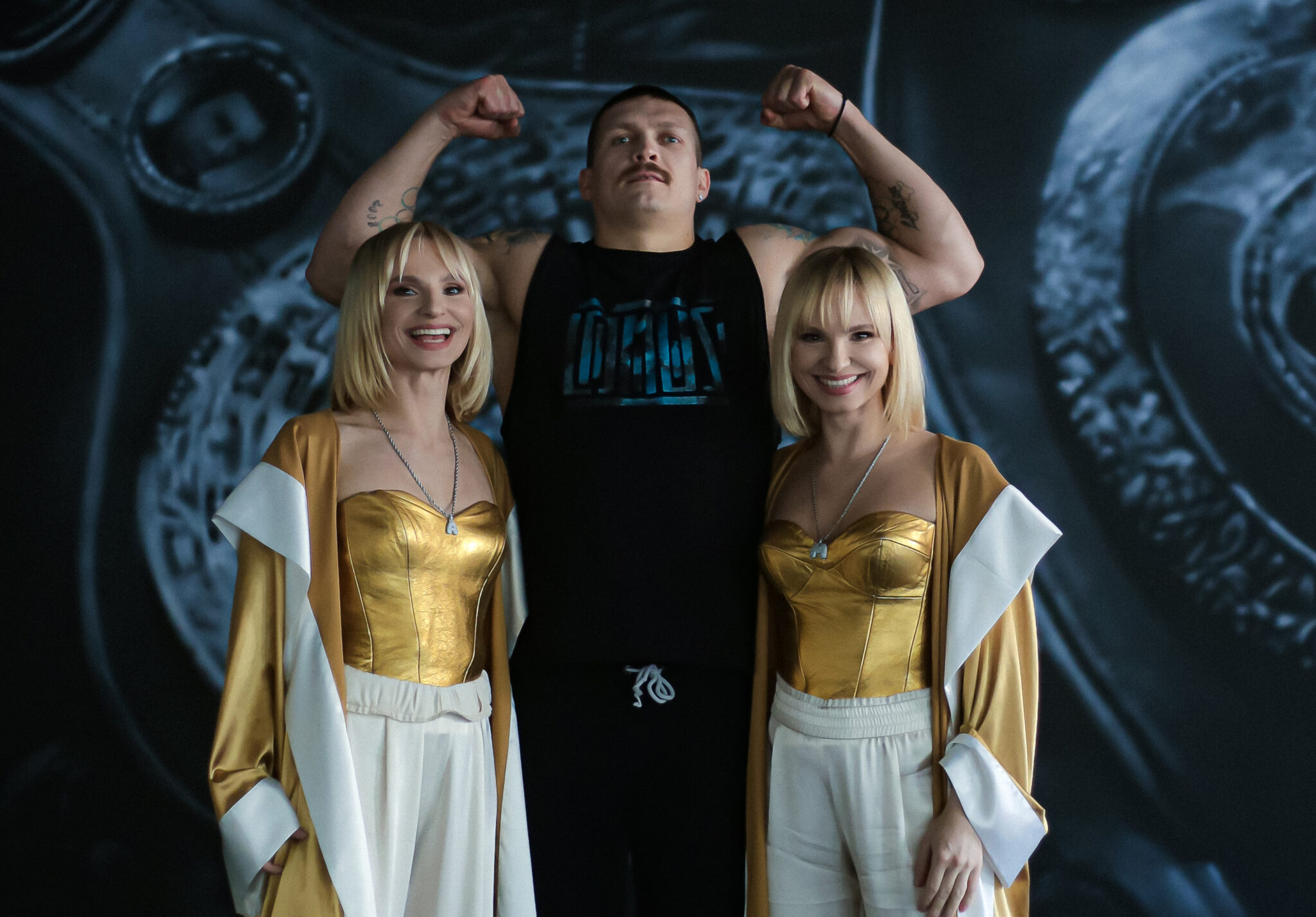
Oleksandr Usyk has finally revealed what we’ve all been waiting for: his secret plan. And it’s not what you think. The undisputed heavyweight champion of the world—a man who has spent sixteen years dismantling opponents with the precision of a surgeon and the fury of a man who once lost and never forgot it—is pivoting. He’s going to Hollywood.
Not metaphorically. Actually.
In a BBC Sport interview that reads like a rejected pitch meeting between a boxing promoter and a Netflix executive, Usyk explained that his next move involves acting. Real acting. The kind where you memorize lines, hit your mark, and pretend to be someone else for money. Which, when you think about it, is exactly what he’s been doing in the ring for two decades, except with more genuine risk of concussion.
Here’s where the satire writes itself: Usyk’s “secret plan” appears to be a long-form method acting exercise where he converts his losses—or hypothetical losses, since he hasn’t actually had one in sixteen years—into cinematic gold. Imagine the pitch: “What if we made a film where the protagonist loses a boxing match in Act One, and then spends the remaining two hours brooding in Eastern European locations while orchestral music plays? It’s Creed, but sad, and Ukrainian.”
The beauty of this revelation is that it reframes the entire sport. Boxing has always been theatrical—the weigh-ins, the trash talk, the slow-motion replays of someone’s face absorbing punishment. But Usyk is taking it further. He’s suggesting that every knockout, every victory, every moment of dominance is actually just research for a future role as “Heavyweight Champion Who Understands the Human Condition.”
That 2010 defeat that fueled him? That’s his origin story. That’s his “Uncle Ben moment.” In Hollywood terms, it’s gold. Studios will pay millions to watch a man explain how losing once in his twenties made him invincible for the next sixteen years. The narrative arc is already written. The only question is which streaming platform gets the exclusive rights.
What makes this genuinely funny—and worth taking seriously as a satire—is that Usyk is essentially admitting what we’ve always known: sport and entertainment have become indistinguishable. The secret plan isn’t secret at all. It’s the same plan every elite athlete has been executing since the dawn of social media. Dominate your field, build your brand, leverage that dominance into a second career in content creation or acting.
Usyk just has the audacity to say it out loud, and the comedic timing to present it as some kind of revelation. “I have a secret plan,” he announces, like he’s unveiling a hidden weapon. The weapon? A Hollywood agent and a willingness to cry on camera.
The real tragedy here is that Usyk is too good at boxing to need this plan. He’s the kind of fighter who makes you forget about the sport’s problems for ninety seconds at a time. He’s the heavyweight division’s philosopher-king, a man who quotes poetry and destroys people for a living. He doesn’t need to become an actor. He already is one. Every interview is a performance. Every fight is a five-act play where the stakes are actual brain damage.
But here we are, in May 2026, watching one of the greatest boxers of his generation explain his pivot to the entertainment industry like it’s some kind of shocking development. It’s not. It’s inevitable. It’s the logical endpoint of a world where athletes are brands, where every moment is content, where losing—or even the possibility of losing—is just another plot point in a larger narrative.
The real secret plan, the one Usyk probably isn’t aware he’s executing, is the one we’re all part of: the slow, inexorable transformation of sport into pure spectacle. The knockout isn’t the goal anymore. The story is. The film deal is. The Netflix special where he explains what the knockout meant to him, emotionally, is.
Usyk will probably be good at acting. He has the face for it—that mix of intensity and vulnerability that Hollywood loves. He’ll probably play a lot of versions of himself: the immigrant who made good, the fighter with a philosophical side, the man who turned pain into purpose. Studios will eat it up.
But somewhere in the process, we’ll lose something. Not because Usyk is leaving boxing—he’s not, not yet anyway. But because the line between sport and entertainment will have moved one step closer to complete erasure. And the secret plan that seemed so clever, so original, will reveal itself to be the most predictable move in modern athletics: the pivot.
Still, you have to respect the honesty. Usyk looked the BBC in the eye and said, “Yeah, I’m thinking about acting now.” He didn’t dress it up in language about “exploring new opportunities” or “staying relevant in a changing media landscape.” He just said it. And in a world drowning in corporate-speak and athlete-approved statements, that kind of blunt admission almost feels like a victory.
Maybe that’s the real secret plan all along: be so good at boxing that when you announce you’re leaving to become an actor, everyone just nods and accepts it. The ultimate power move. The ultimate Hollywood ending.
Fade to black. Roll credits. Queue the dramatic orchestral music.