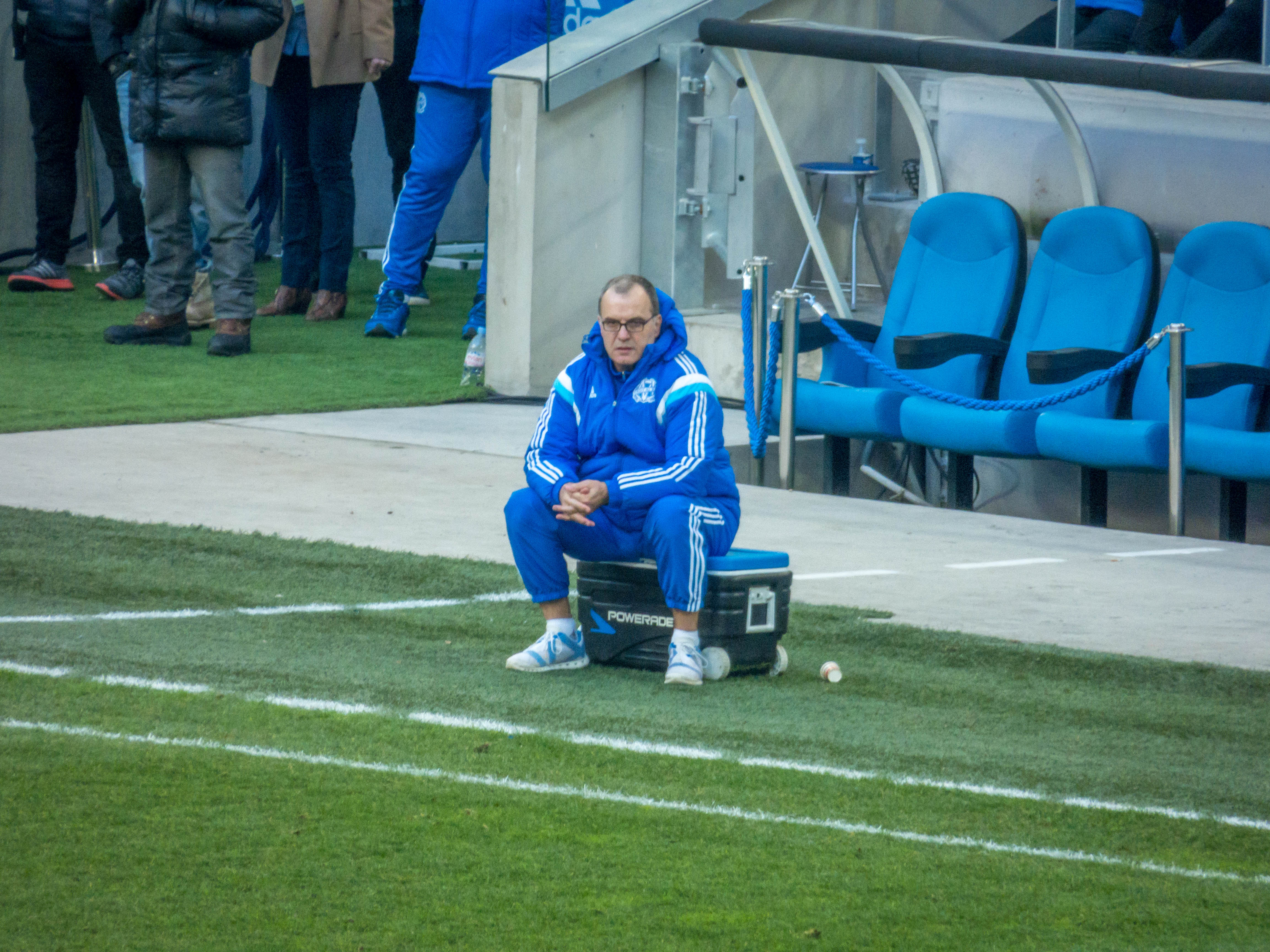
Marcelo Bielsa has left Uruguay. Not just the job—everything. According to his own dramatic press conference soliloquy, he is departing with nothing. No trophies. No dignity. No explanation that anyone actually understands. Just a man in a suit, gesturing vaguely at the concept of toxicity as if it were a tangible object he could hand over at customs.
The 2026 World Cup dream is dead. Uruguay, a nation that once produced Ghiggia and Forlán, has been eliminated by a coach whose tactical philosophy apparently requires him to speak for forty-five minutes about why he speaks for forty-five minutes. The local press has dutifully assembled into a Greek chorus, lamenting not just the results but the vibes—the toxic vibes, specifically—as if a football team can be poisoned by bad energy alone.
What makes this genuinely operatic is the sincerity of it all. Bielsa didn’t slink away. He held court. He made pronouncements. He left nothing, he insisted, which somehow felt like the most Bielsa thing possible: even his departure was a statement about departures. The fans are devastated. The media is scandalized. Everyone agrees something went very wrong, though the exact nature of that wrongness remains beautifully unclear.
This is modern football’s greatest gift: the ability to transform a simple failure into a theatrical event complete with existential dread and press conference poetry. Uruguay didn’t just lose. They lost meaningfully.