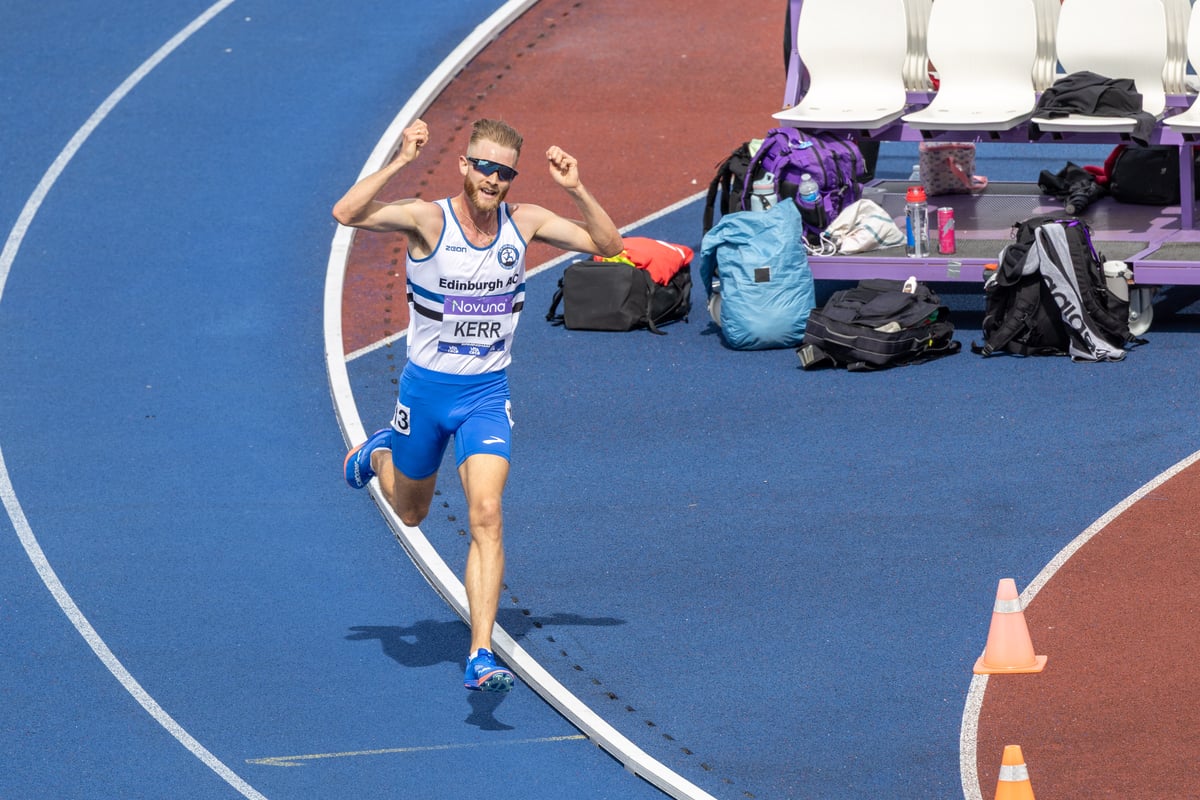
Josh Kerr won Britain’s first Ultimate Championship title last week. Congratulations to him. What he actually won, though, was a starring role in a corporate proxy war that makes Cold War politics look quaint.
The moment Kerr crossed the line, the real competition began—not on the track, but in the boardrooms. Which sportswear giant could claim they’d funded the champion? Which logo would dominate the victory lap? Kerr, in his post-race remarks, essentially asked the British athletics establishment why homegrown athletes are still chasing foreign coin while their country watches from the stands.
It’s a fair question. It’s also the exact moment he became a billboard with legs.
Now every major brand is scrambling to position itself as the true architect of British athletic supremacy. Nike wants credit for the shoe. Adidas wants credit for the training science. Lululemon probably wants credit for his shorts. The athlete himself—the actual human who trained, suffered, and won—has become almost secondary to the merchandise war erupting in his name.
The absurdity is delicious. Kerr raised a legitimate concern about funding, and instead of addressing it, the system simply absorbed it into the marketing cycle. His victory became a referendum on which corporation deserves your allegiance. The brands aren’t competing to support British athletics. They’re competing to own the narrative of British athletics.
Kerr wanted to spark a conversation about national investment in sport. What he actually sparked was a bidding war. Mission accomplished, depending on whose mission you’re measuring.