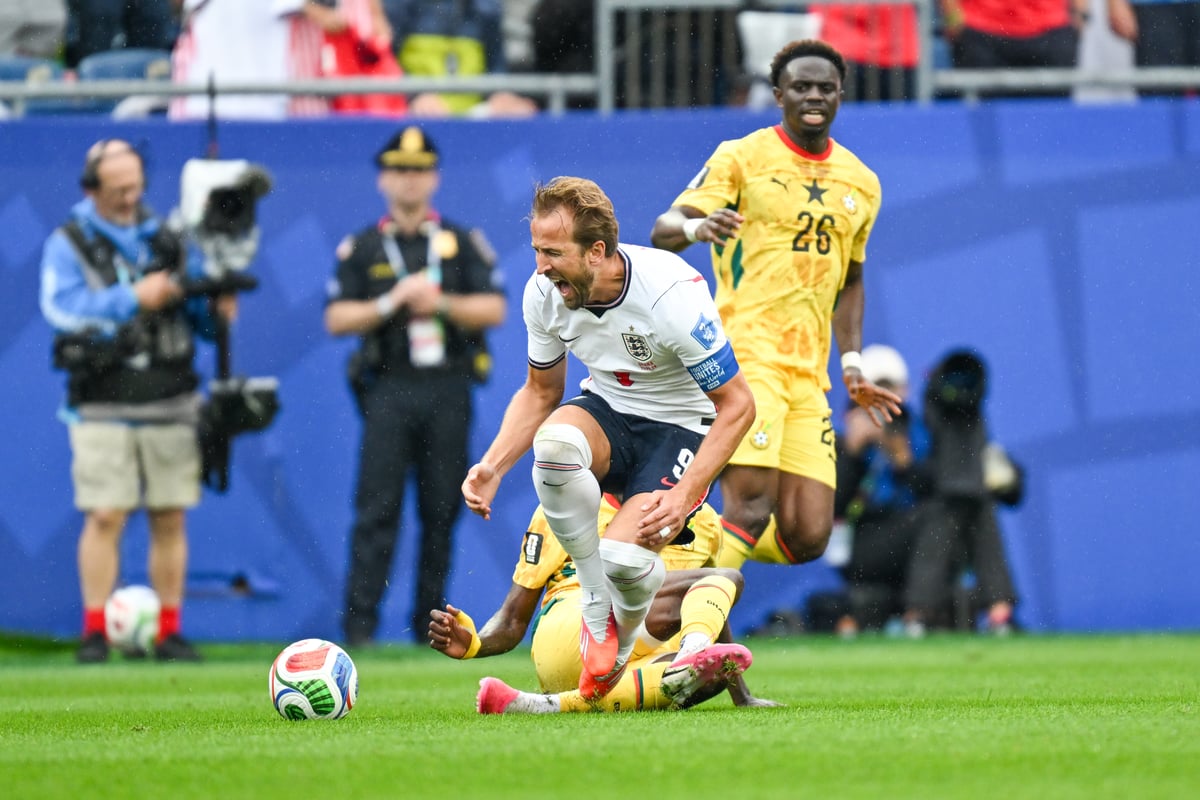
Thomas Tuchel has discovered a loophole in football that nobody else has bothered to exploit: he can complain about his team’s performance while they keep winning. It’s the tactical equivalent of reviewing a Michelin-starred restaurant and giving it one star because the plates were too shiny.
England are winning games. That part is not in dispute. Three points, league position improving, the whole apparatus of international football humming along. Yet Tuchel has spent the last fortnight conducting what can only be described as a masterclass in performance anxiety theater. The football was sloppy. The pressing was disorganized. The transitions lacked rhythm. The midfield looked confused. The defense was vulnerable. By his accounting, England should be losing to Luxembourg.
Instead, they keep winning. Which raises an uncomfortable question: if a team wins while their manager insists they’re playing terribly, at what point does the manager’s assessment become irrelevant to the actual result?
This is the absurdity at the heart of modern sports analysis. We have created a system where success and satisfaction exist on completely separate axes. A manager can be right about the technical deficiencies in his team’s play and simultaneously wrong about what that means. England’s performances may indeed be imperfect. But imperfect performances that yield victories are not failures—they’re just wins that came the hard way.
Tuchel is not wrong about what he sees. He’s just operating under the assumption that football cares about his aesthetic preferences. It doesn’t. Football cares about the scoreline. Everything else is just noise dressed up as analysis.