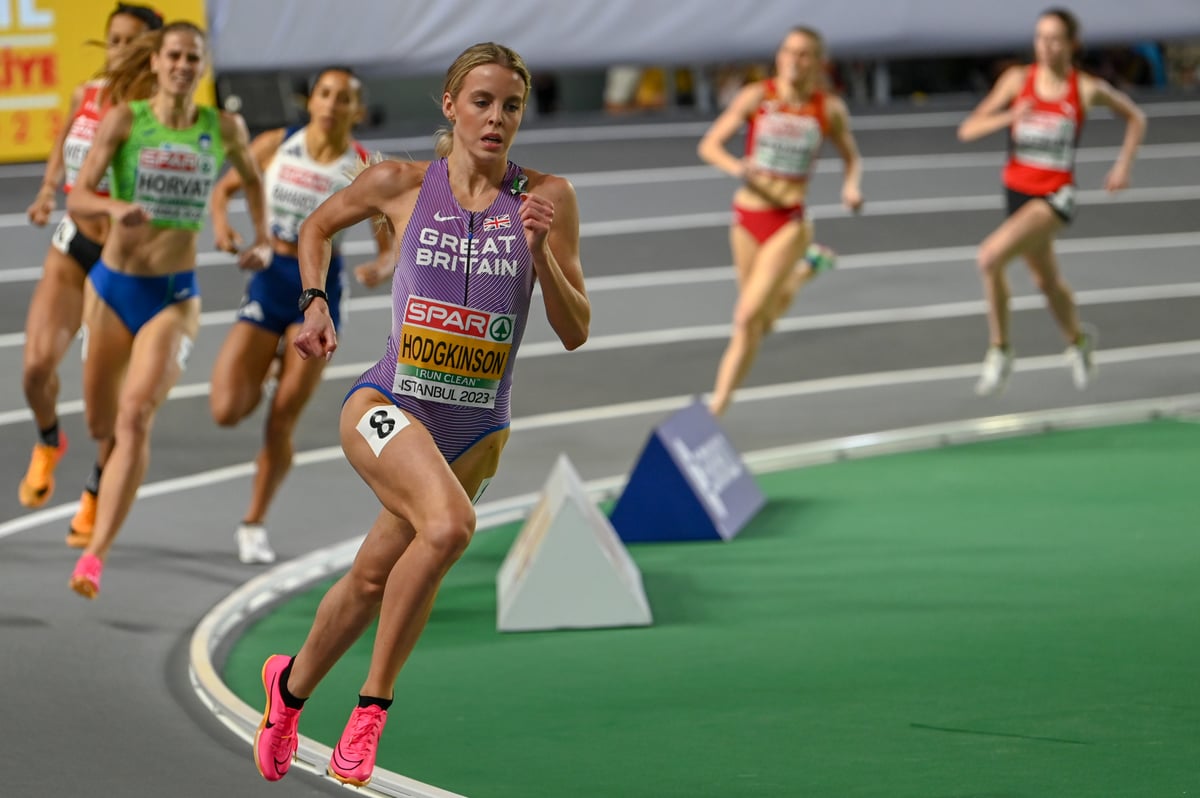
Stockholm witnessed the cruelest joke in modern athletics on Saturday: Keely Hodgkinson ran the race of her life and lost anyway.
The British 800m runner shattered her personal best at the Diamond League final, a time most athletes would frame in a museum and weep before daily. It was brilliant. It was transcendent. It was, unfortunately, slightly slower than what Audrey Werro managed to produce while apparently jogging through the Swedish summer evening like she had somewhere else to be.
This is the theatrical absurdity that makes sport insufferable and magnificent in equal measure. Hodgkinson did everything right—trained harder, executed better, broke her own ceiling—and was still sentenced to second place by an opponent who merely showed up and existed faster. It is not tragedy in the Shakespearean sense. It is tragedy in the sense that a composer has just finished the greatest symphony ever written, and a neighbor’s car alarm drowned out the finale.
Werro, bless her, has stumbled into the role of antagonist without trying. She is not dominating through supernatural talent or revolutionary technique. She is simply there, slightly ahead, slightly better, slightly more frustrating. Hodgkinson’s personal best now sits in the record books like a participation trophy—proof of excellence that nobody will remember because someone else won.
This is what competitive sport does to achievement. It renders even the transcendent ordinary. Hodgkinson ran a time that would have been celebrated as career-defining six months ago. Today it is a footnote to someone else’s afternoon.