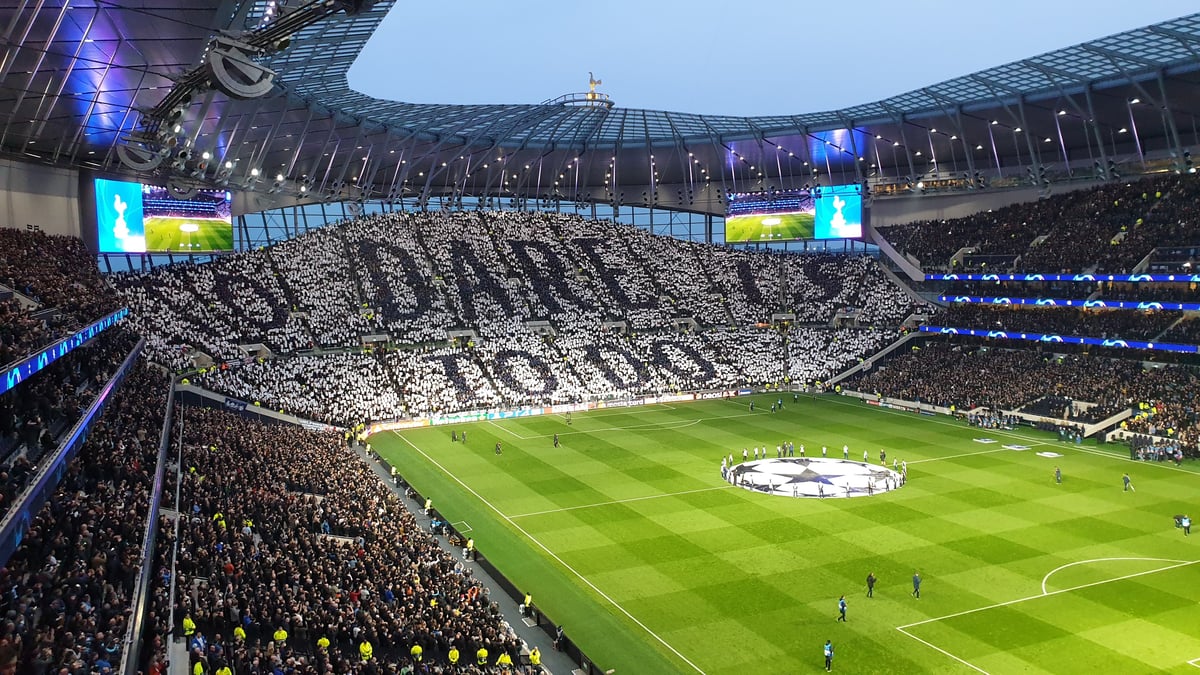
Tottenham has entered its third act, and the playwright has apparently lost interest in the plot.
What we witnessed was not merely a failure to score. It was a philosophical crisis masquerading as a football match. The new era—that glorious dawn promised in the summer prospectus, the one where redemption awaited like a redemption arc in a Marvel film—has quietly shuffled backstage, leaving only questions and a deeply confused striker who appears to have forgotten what the ball is for.
The irony is exquisite. Spurs promised transformation. They delivered a void. Blank canvases are celebrated in art galleries; they are catastrophes on a football pitch. This team has the tactical sophistication of a chess grandmaster playing with his eyes closed, executing moves that make perfect sense to no one, least of all themselves.
The tragedy—and this is where it becomes properly Shakespearean—is that nobody even cares enough to boo anymore. Apathy is the cruelest stage direction. The fans sit in silent witness to a performance that feels less like sport and more like experimental theatre: uncomfortable, meandering, and deeply uncertain whether it’s supposed to be funny.
In the grand narrative of Tottenham’s redemption, this chapter reads like a first draft rejected by every publisher with taste. The new era hasn’t turned into a false dawn. It’s turned into a false noon—bright enough that you can see exactly how bad things are, but not bright enough to pretend it might improve.
Shakespeare knew tragedy. He would recognize this.