Alexander Isak stood in the Arsenal box, touched by nothing but the breeze and the faint whisper of a contact that may or may not have happened, and he did the one thing no striker in the modern game can afford to do. He stayed on his feet. Liverpool have spent the days since asking the question that has kept English football awake at night: should he have made more of it?
Consider the burden. A player now carries the weight of a tragedy in which he is both the hero and the fool. If he goes down, he is a cheat, a stain on the sport, a man who has betrayed his mother’s teaching. If he stays up, he is a monk of restraint, a saint who will be ignored by a referee who has already retreated to the monitor. There is no third path. Hamlet at least had a ghost to guide him. Isak has a flickering screen in a van in Stockley Park and a sheet of mid-air arguments about whether the ball touched a knee.
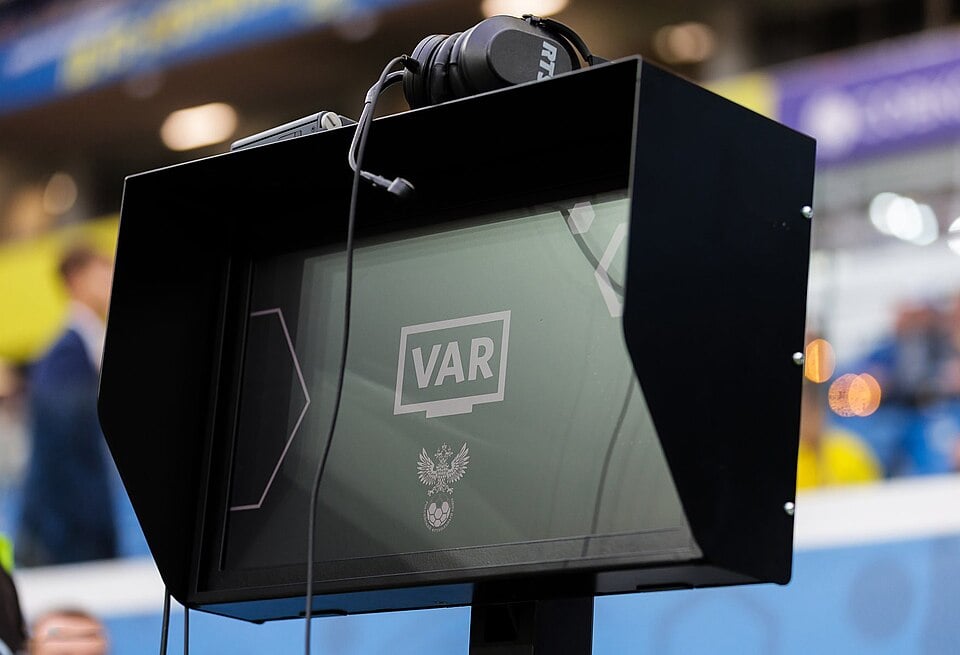
The VAR, meanwhile, did what the VAR always does. It stayed out of it. It looked at the footage, shrugged, and left the striker to face the consequences of a decision he never made. This is the cruelty at the core of the thing. The players have been told the game is now watched in high definition, yet the one arbiter who sees everything still refuses to act unless the lie is spectacular enough to deserve a stage. So the footballer is left to ask himself the question no coach can answer: is the performance the truth, or is the truth merely the performance that no one bothered to fake?
So, to dive or not to dive. Let us be honest: the dive is not dying. It is simply waiting in the wings for a better-written role.