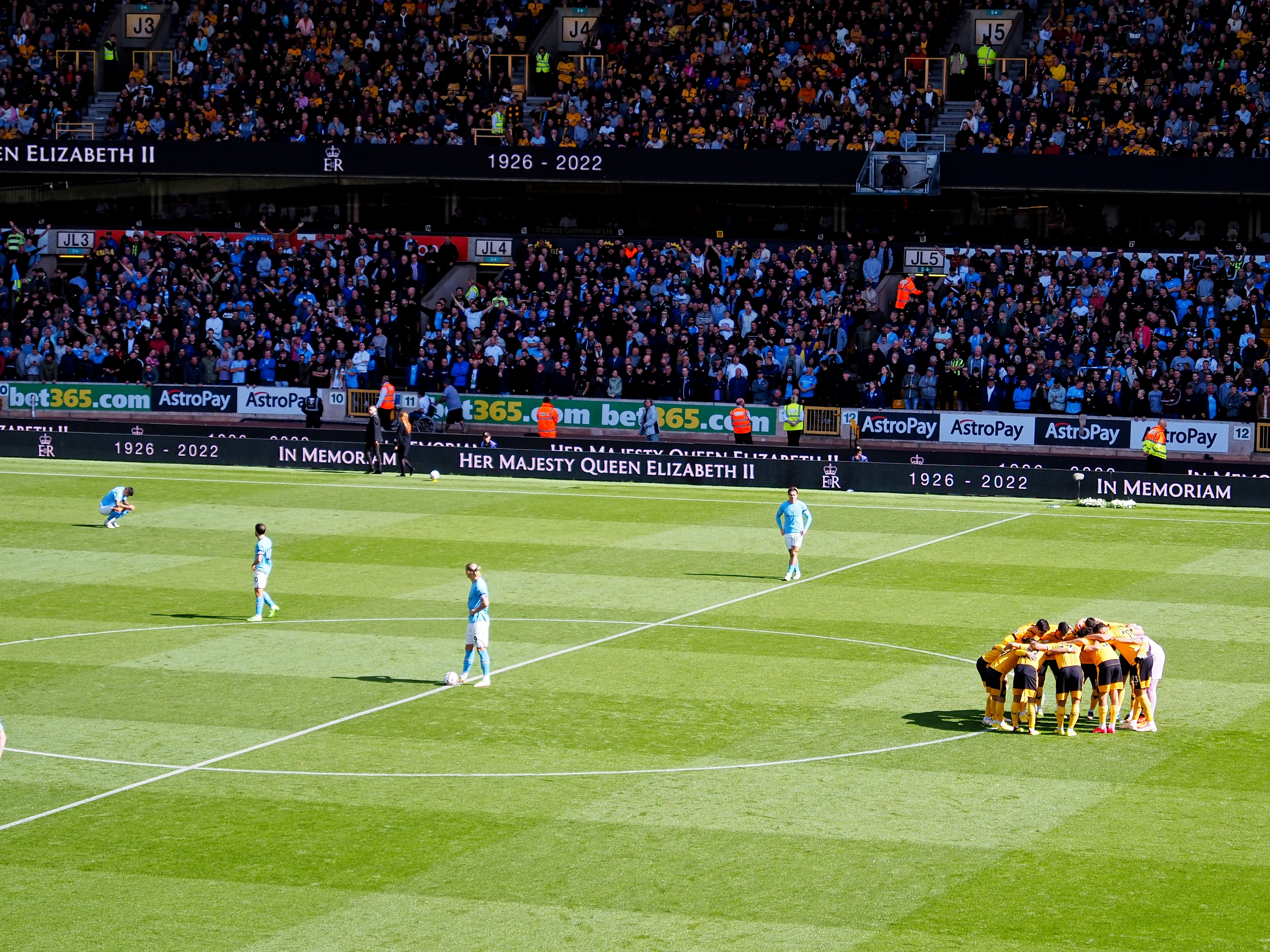
The international football community is in freefall. What was once a theoretical impossibility—a man playing against himself on the world’s biggest stage—has become reality. Norway’s Erling Haaland will face Brazil’s Erling Haaland in the World Cup quarter-final, and the geopolitical implications are staggering.
Sources close to both camps describe the tension as biblical. One Manchester City insider confessed that their Haaland has been practicing his celebration twice as hard, determined to prove he is the “original.” Arsenal’s Haaland, meanwhile, has taken to wearing his kit backwards in training—a power move so unhinged that even his own physiotherapist requested a transfer.
The UN Security Council has not yet convened, but they are monitoring the situation. If either Haaland scores, will the other feel it? Will they share the goal-scoring credit? Will they both demand the match ball? These are the questions keeping diplomats awake at night.
Football historians are calling it the “Haaland Paradox”—a temporal anomaly that defies the sport’s fundamental laws. The last time something this absurd happened was never, because it has literally never happened. One broadcaster has already commissioned a three-part documentary called “The Doppelgänger Derby: A Love Story.”
Norway is favoring their Haaland by 0.3 percentage points. Brazil is favoring theirs by the exact same margin. The betting markets have simply given up and are now accepting wagers on whether both players will simultaneously score a hat-trick while maintaining eye contact.
When these two Haalands step onto that pitch, football as we know it ends. History will remember this as the moment the sport fractured into two realities.