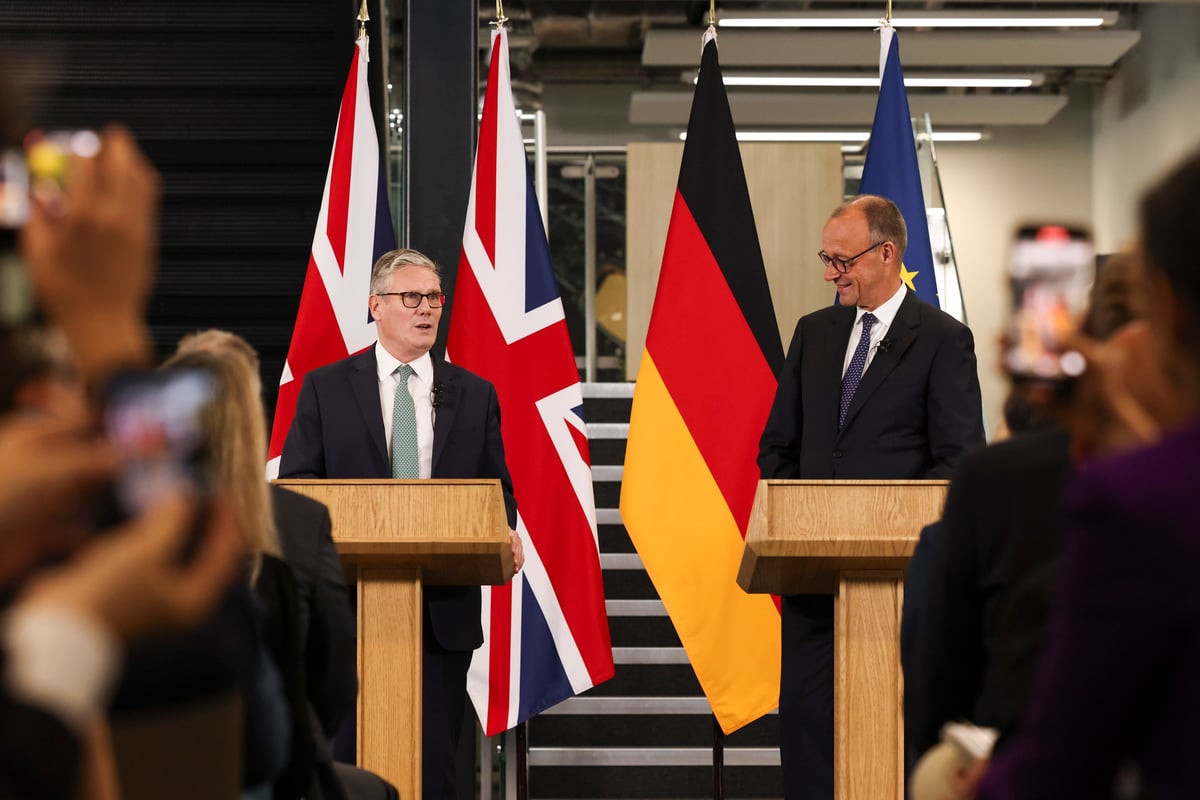
In a stunning display of crisis management, Prime Minister Sir Keir Starmer has identified the true root cause of Britain’s malaise: Arsenal versus Paris St-Germain will not be broadcast on free television next Saturday. The nation, it seems, teeters on the brink of civilisational breakdown because TNT Sports has the audacity to charge for premium content.
Let us be clear about what is happening here. Somewhere in a hospital, a patient is waiting for surgery. Somewhere in a school, a child is learning from a textbook printed in 2003. Somewhere in a food bank, a family is deciding between heating and eating. But none of this matters. The real emergency is that 37 million British viewers might have to either pay £19.99 or—and this is the crisis that keeps Starmer awake—miss Bukayo Saka in action on the continent’s biggest stage.
The Prime Minister’s intervention is not merely a request. It is an urgent plea to TNT Sports to do the right thing, to consider the public interest, to understand that a locked paywall is a threat to the social fabric itself. One imagines his advisors briefing him on the polling: “Prime Minister, 73% of the country cannot afford a subscription service that also includes American basketball and wrestling.” The response was clear. We must act. We must act now.
The beauty of this moment is that nobody involved is pretending it is anything other than what it is. Starmer is not claiming that free-to-air broadcasting of football will solve the NHS crisis or fix crumbling infrastructure. He is simply saying: this is bad, and we should fix it. It is refreshingly honest. It is also completely insane.
Consider the precedent. If the Prime Minister can intervene to demand free access to a sporting event, what stops him from demanding free access to everything? Free concert tickets? Free cinema screenings? A government mandate that Netflix must broadcast its new releases on Channel 4? The logic is airtight. If we accept that the nation’s wellbeing depends on unrestricted access to premium sporting content, then surely we must also accept that the nation’s wellbeing depends on unrestricted access to literally everything that brings joy.
The Arsenal-PSG final is genuinely compelling television. Arsenal has clawed its way to European glory after years of continental disappointment. PSG arrives as the perennial heavyweight, loaded with talent, desperate to finally deliver a second European Cup. The match will be worth watching. But it will be worth watching whether you pay for it or not. The football does not improve because it is free. Saka’s dribbling is not more elegant on the BBC than on TNT. The stakes are not higher because you did not have to unlock your wallet.
What Starmer’s intervention reveals is not a crisis in broadcasting rights, but a crisis in how we have come to think about access and entitlement. We have collectively decided that if something is important—and sport, undeniably, is important to British culture—then it must be free. Not subsidised. Not reasonably priced. Free. The alternative is treated as a national scandal.
There is something almost touching about this. In a world fractured by subscription services, regional paywalls, and the atomisation of content, there remains a stubborn belief that some things should belong to everyone. The Cup Final. The Olympics. The Coronation. These are moments of collective experience, and the argument goes, collective experience cannot be monetised.
But here is where the satire collapses into something more complicated: Starmer might actually be right. Not because the nation will fall apart if the match is behind a paywall—it will not—but because there is something genuinely wrong with a system where major sporting events have become luxury goods. A generation of British kids will not watch their country’s biggest club in the biggest match because their parents cannot afford £19.99 on a Saturday night. That is not a trivial problem. It is just not the problem the Prime Minister is pretending to solve.
The real scandal is not that TNT Sports is charging for the final. It is that TNT Sports can charge for the final. It is that the broadcast rights to European football have been carved up and sold to the highest bidder, fragmenting an audience that once gathered around a single screen. It is that we live in a world where watching sport has become a luxury activity, reserved for those with the right subscriptions.
But none of this will be solved by a Prime Minister calling up a streaming service and asking nicely. TNT Sports will either agree—good publicity, minimal cost—or refuse, and the cycle will continue. The match will be watched by millions anyway, through legal streams, illegal streams, pubs with the right subscriptions, and the old-fashioned method of reading about it the next morning in a newspaper.
What will not happen is a fundamental reckoning with how we have allowed sport to become gatekept. What will not happen is a serious conversation about public interest and broadcasting obligations. What will not happen is any real change.
Instead, we get this: a Prime Minister, in the middle of a cost-of-living crisis, taking time to demand free football. It is absurd. It is also, weirdly, the most relatable thing a politician has done in months. Because everyone watching understands the feeling. Everyone has felt the sting of missing something important because it was behind the wrong paywall. Everyone has resented the fragmenting of culture into premium tiers.
So Starmer’s intervention is both ridiculous and completely human. It will probably work. TNT Sports will likely relent, and next Saturday, millions of people will gather around screens they did not have to pay extra for. The nation will not be saved. But for ninety minutes, we will all be watching the same thing. And in 2026, that feels like a small miracle.
The absurdity is not that the Prime Minister cares. The absurdity is that he has to ask.