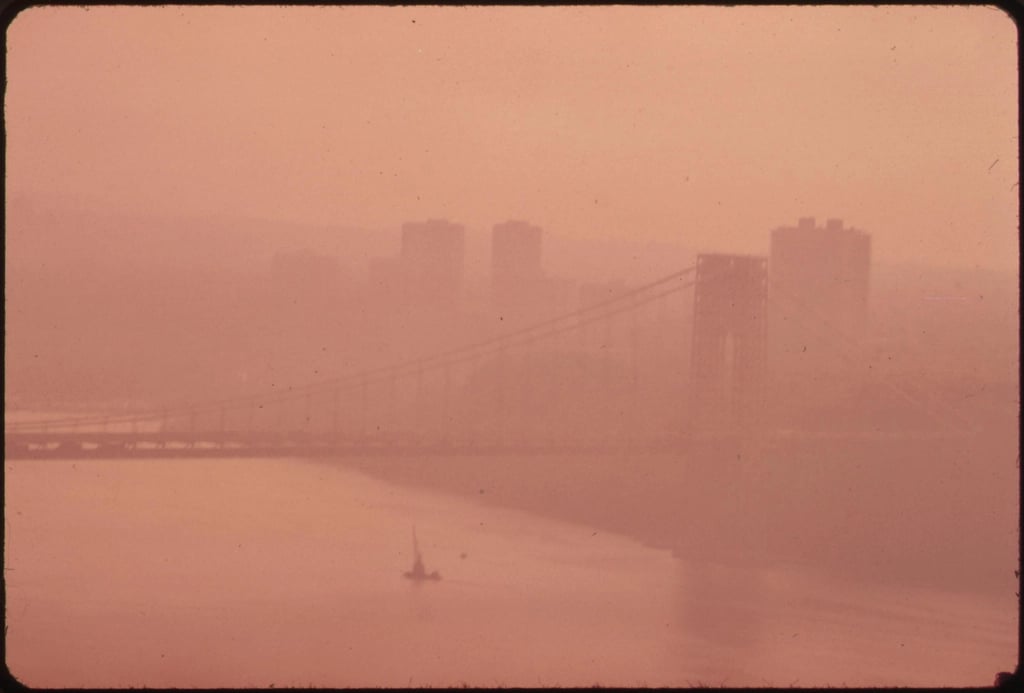
The sports gods have spoken, and they are not using words. They are using wildfire smoke.
Just days before the World Cup final—the one event that makes every other sporting spectacle look like a friendly kickabout—New York and New Jersey have issued an air quality health alert. Officials blame Canadian wildfires drifting south, which is a nice way of saying the continent itself has decided to weigh in on the match.
This is not a drill. This is nature’s own VAR decision, issued in particulate matter and delivered with zero regard for FIFA’s broadcast schedule. While teams prepare their set pieces and tactical masterclasses, the atmosphere is literally adding a new variable to the game. Will the smoke affect player performance? Will it alter ball trajectory? Will commentators blame every missed shot on “visibility issues” instead of simple human error?
Of course they will.
The alert is serious—people with respiratory conditions should stay indoors, air quality indices are climbing, and the region’s infrastructure is bracing for impact. But there is something darkly comic about the timing. We have spent billions on stadiums, training facilities, and broadcasting rights. We have optimized every angle of professional sport. And then the actual sky shows up and says: not so fast.
Nature does not care about your World Cup final. Nature is the ultimate underdog team, playing by its own rules, and it just sent smoke signals that read like a threat. The match will happen. The smoke might too. And somewhere, a referee is already preparing excuses.