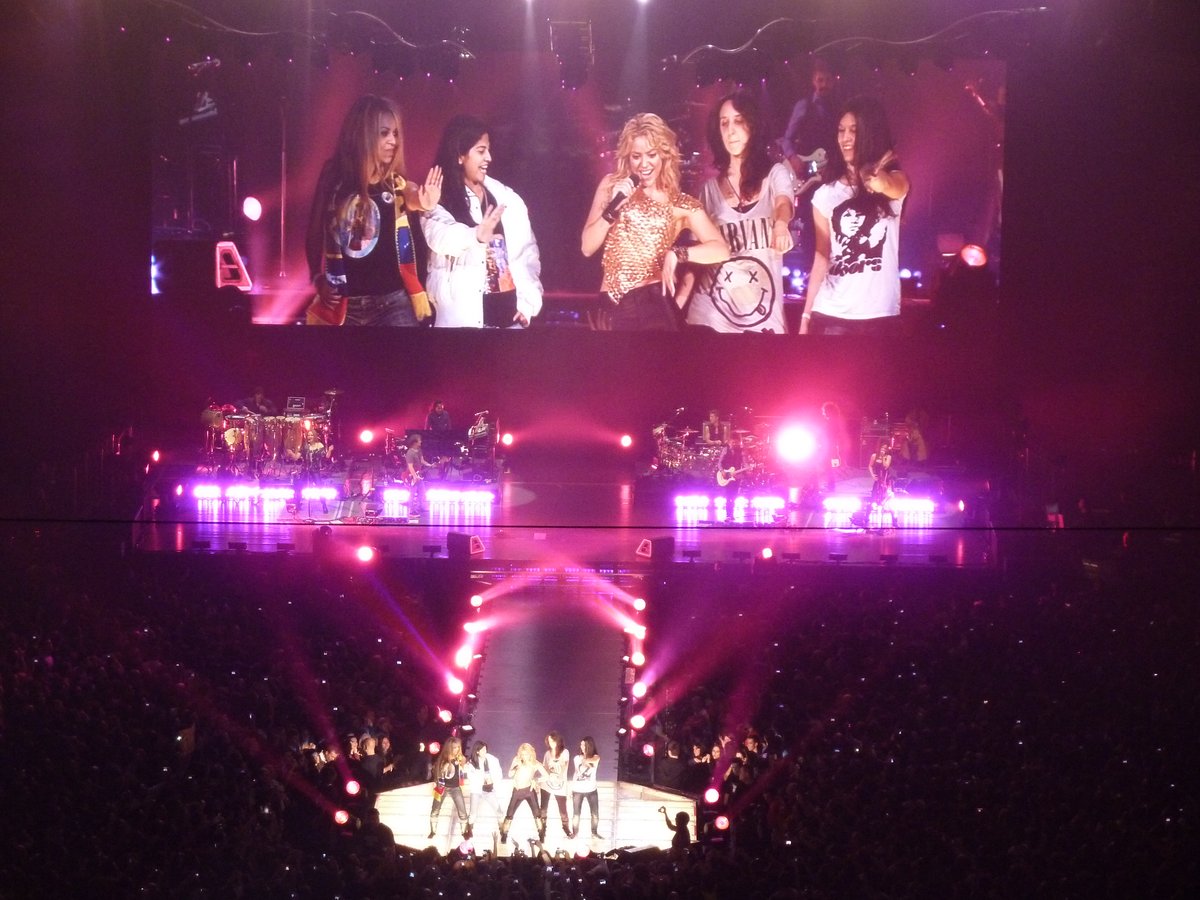
The United Nations has quietly convened an emergency session. The World Bank is reviewing its lending portfolio. Heads of state are cancelling bilateral meetings. Why? Because Shakira is performing at the 2026 World Cup opening ceremony in Mexico, and apparently this is the geopolitical turning point we’ve all been waiting for.
Let’s be clear about what’s happening here: a Colombian pop star will dance for approximately four minutes while 80,000 people watch and another billion stream it on devices they check compulsively during actual conversations. And somehow, this has been elevated to the status of a peace accord.
The logic is airtight, if you squint hard enough. Shakira’s hips don’t lie, as she has famously established. Her hips also, it turns out, do not engage in protectionism, harbor territorial disputes, or refuse to sign climate agreements. When her hips move, geopolitical tensions simply evaporate. It’s not diplomacy—it’s biomechanics as foreign policy.
Consider the historical precedent. When has the world ever needed a solution to systemic poverty, water scarcity, or regional conflict? Simple: book a stadium, hire a global superstar, and let the magic happen. Forget the Marshall Plan. Forget the Helsinki Accords. What we needed all along was a three-minute pop performance at the opening of a sporting event.
The genius of this strategy is that it requires no actual policy changes, no redistribution of resources, and no difficult conversations between governments about who pays for what. Instead, we get a spectacle. A moment of unity. Everyone in the stadium, everyone watching at home, momentarily united in the experience of watching someone perform a song they may or may not have heard before. That’s not just entertainment—that’s the solution to global inequality.
Mexico, naturally, is thrilled to host this geopolitical summit disguised as a soccer tournament. The opening ceremony will now serve as the formal venue where world leaders gather not to negotiate trade deals or nuclear non-proliferation, but to witness a cultural moment that will definitely, absolutely, certainly ripple outward and solve problems that have plagued humanity for centuries.
The cynical observer might note that World Cup opening ceremonies have been featuring major musical performances for decades without notably reducing poverty, ending wars, or achieving any measurable diplomatic breakthrough. But the cynical observer is probably just not thinking big enough. They’re stuck in the old paradigm where solutions require funding, infrastructure, and political will. How quaint.
What we’re really witnessing is the evolution of soft power into soft-serve power—the idea that if we make the spectacle entertaining enough, consequential enough, culturally significant enough, the actual work of governance and resource allocation becomes optional. Why negotiate when you can celebrate? Why compromise when you can dance?
The Colombian government is, naturally, positioning this as a moment of national pride. And it is. But it’s also a moment where the world has collectively agreed that a pop performance at a soccer tournament is newsworthy enough to dominate global coverage, while actual humanitarian crises receive a paragraph on page seven.
So yes, Shakira will perform. The crowd will roar. Social media will explode with clips and reactions and think pieces about the cultural significance of the moment. And somewhere, in a boardroom or a parliament or a refugee camp, someone will wonder why we’re so good at creating moments of unity but so terrible at sustaining the policies that would actually use that unity for something productive.
But that’s overthinking it. It’s a World Cup. It’s a performance. It’s a jamboree. And if you expect anything more from it than spectacle and temporary collective joy, well—your hips are lying to you.