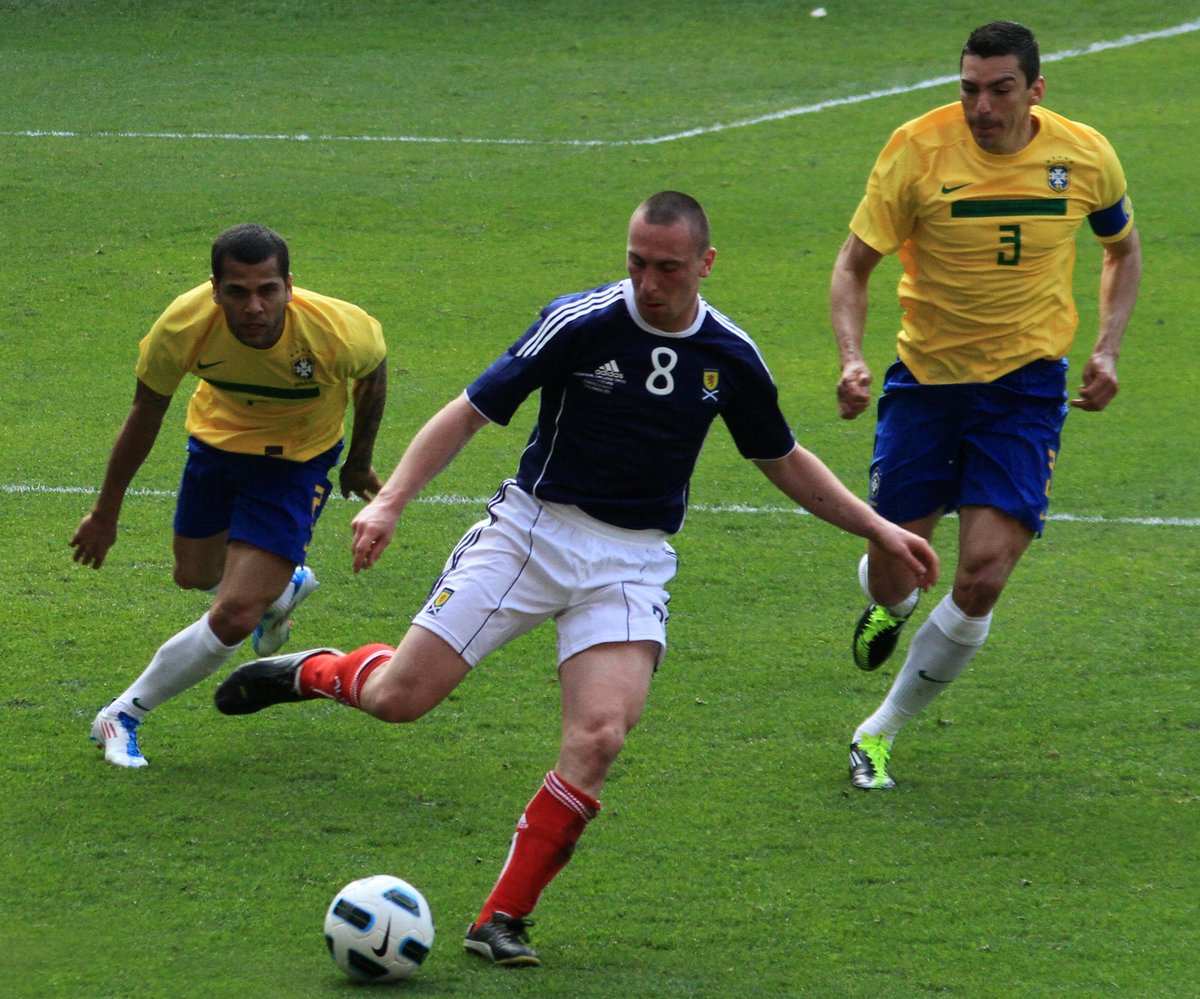
Scotland has arrived at the moment every underdog nation dreams about and simultaneously dreads: the elimination episode. Somewhere in the production truck, a reality-show editor is salivating. The Scottish squad doesn’t even know what they need to survive. A win? A draw? Some combination of results from other matches that would require a mathematics degree and a functioning crystal ball? It’s the kind of suspense that makes good television, which is to say it’s terrible for anyone actually invested in Scotland’s future.
Brazil, meanwhile, has shown up to this party looking like they forgot to prepare. A side that once moved the ball like it was choreographed by Balanchine has been vulnerable, beatable, almost human. For Scotland, this is the cruel joke of the World Cup: your one realistic shot at advancing comes against a team that has already shown cracks, yet you arrive at their door having played two matches that would embarrass a second-division side.
The absurdity writes itself. Scotland has a talented squad—genuinely talented—but they’ve spent two games proving that talent and execution exist in different dimensions. Now they face Brazil, a nation that invented the beautiful game but is currently playing something closer to the ugly game, and the outcome will hinge on variables nobody controls: other matches, other goals, other teams deciding Scotland’s fate for them.
It’s not sport at this point. It’s a reality show where the contestants have no idea what the challenge even is, the judges are fallible, and your survival depends on someone else’s failure. Somewhere, a narrator is preparing the dramatic voiceover.