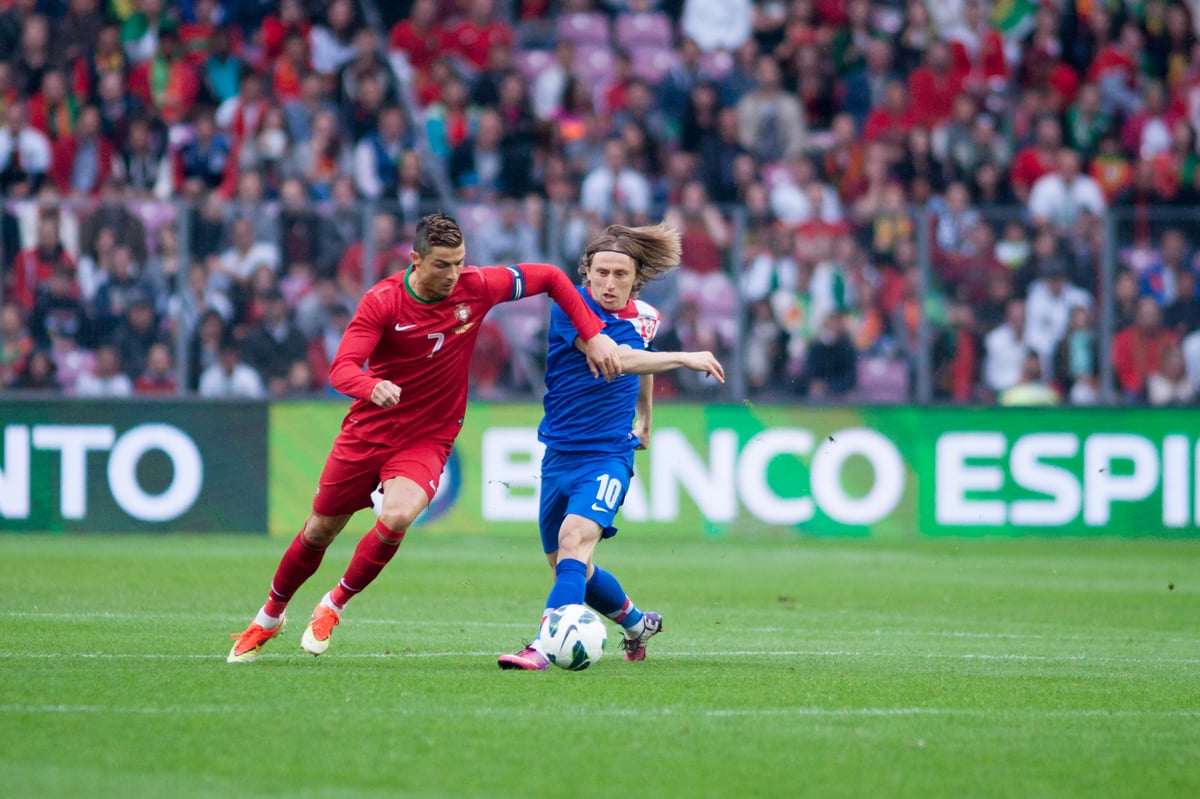
Cristiano Ronaldo is now 41 years old and has shown up to his sixth World Cup. Six. That’s not a career arc anymore—that’s a subscription service nobody asked to renew.
The question consuming football’s collective consciousness is no longer whether he can win the trophy. It’s whether his knees will survive the walk to the pitch. Whether his agent has negotiated bathroom break clauses into his contract. Whether starting him is a strategic decision or an act of sentimental mercy dressed up as tactical choice.
Here’s the existential horror of modern sport: we’ve created a system so obsessed with longevity that we’ve forgotten to ask if longevity is actually the same thing as relevance. Ronaldo can still score. He can still run. But the calendar has become his real opponent, and unlike defenders, the calendar never gets tired.
The theatrical tension isn’t really about his performance metrics. It’s about what his presence represents: the athlete’s refusal to exit gracefully, the sport’s inability to let legends become history, and the fans’ desperate need to see one final redemption arc that probably won’t happen. We’re all collectively pretending that a 41-year-old winning the World Cup for the first time would be poetry. It would actually be fan fiction.
So yes, he’ll probably start. And yes, we’ll all watch. Not because we believe anymore. Because we’re too invested in the spectacle of watching someone refuse to become a memory.