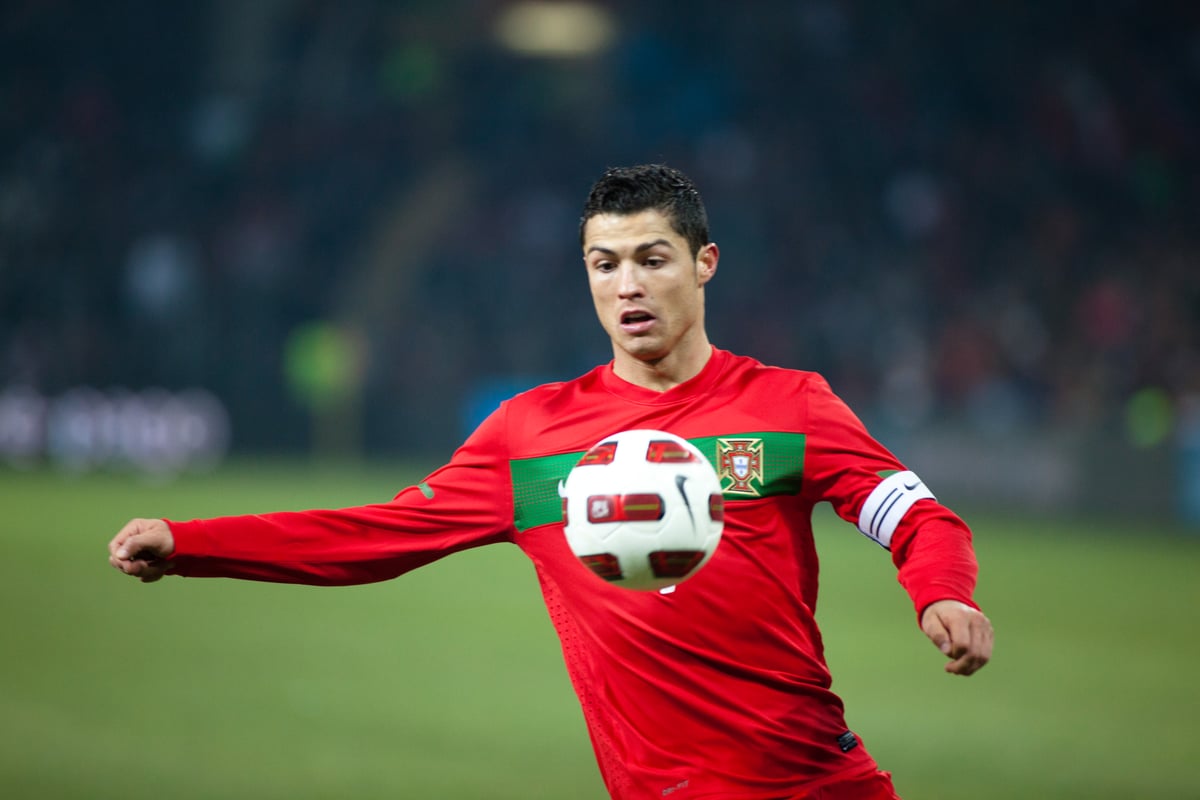
Cristiano Ronaldo has scored at six World Cups. Six. The internet has responded by declaring him a deity, comparing his feat to the invention of the wheel, the moon landing, and the discovery of penicillin combined. One pundit compared it to the fall of the Berlin Wall. Another suggested it should be a public holiday in Portugal. A third simply posted a photograph of the sun with the caption “Me when Ronaldo scores.”
Let us be clear: this is extraordinary. Ronaldo has now done something no footballer has done before. He has answered the doubters—and there were many—with the only language that matters in football: the net bulging behind a goalkeeper who wished he had chosen accountancy instead.
But here is where the absurdity lives. We have collectively decided that one goal at a World Cup in 2026 is a civilisational marker. News outlets have treated it like a geopolitical shift. Social media has imploded as though Ronaldo had just negotiated world peace. The discourse has become so baroque that scoring a football goal now requires the same emotional vocabulary we reserve for actual historic events.
The satire writes itself: Ronaldo’s sixth World Cup goal is simultaneously a triumph of human ambition and proof that we have lost all perspective. He is 41. He is still playing. He is still scoring. It is ridiculous and magnificent in equal measure. The real question is not whether Ronaldo is great—we knew that decades ago—but whether our capacity for measured reaction has simply evaporated into the ether.
He scored a goal. A brilliant, improbable, record-breaking goal. Now let us all take a breath and remember that there are still matches to play.