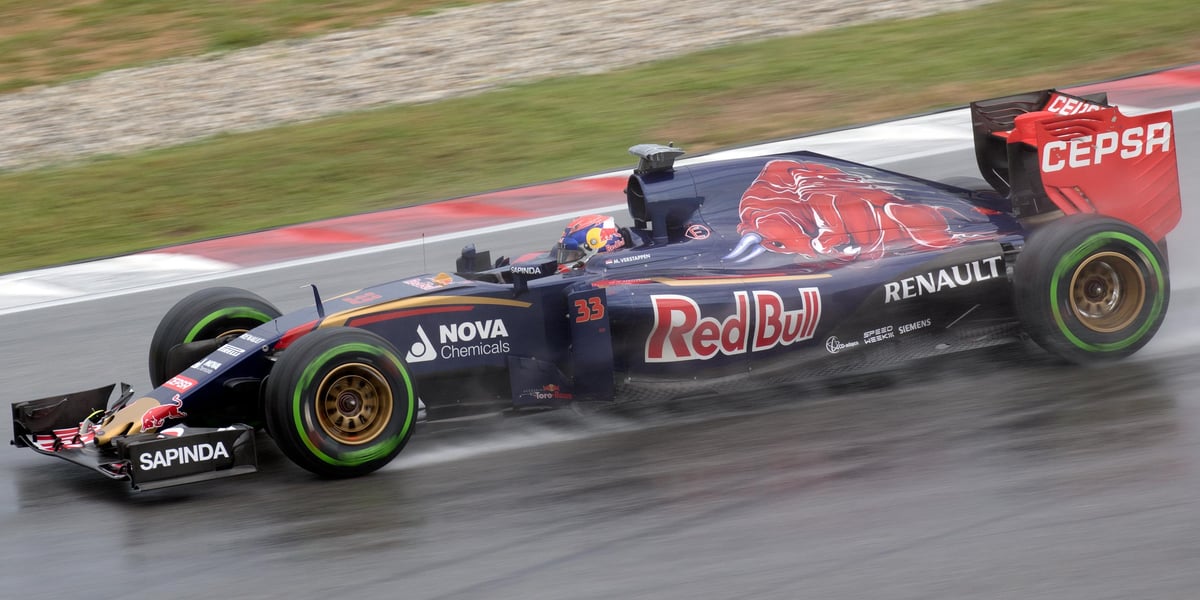
There is a moment in every ambitious engineering project when reality crashes through the boardroom window like an unwanted guest. Red Bull has reached that moment, and it arrived at approximately 280 km/h with Max Verstappen still in the cockpit.
After two consecutive high-speed crashes, the team has made the humbling decision to abandon their experimental rear wing configuration and revert to a conventional design for the Belgian Grand Prix. Let that sink in: the organization that spent the entire first half of the season designing a wing so aggressive it apparently required a professional racing driver to be a professional crash-test dummy is now admitting defeat. The wing was, in technical terms, too much wing.
This is not a minor adjustment. This is Red Bull effectively saying, ‘We built something so fast it exceeded the laws of physics as we understood them, and also the laws of keeping Max conscious.’ The irony is delicious. You spend months pushing the aerodynamic envelope, chasing tenths of a second, and then you realize that tenths of a second mean nothing if your driver is wrapped around a barrier.
The retreat to convention is not weakness—it is the sound of engineers realizing that speed without survival is just an expensive funeral. Verstappen will get a car that, while perhaps marginally slower, might actually allow him to finish a race. That is not settling. That is remembering why we race in the first place: to win, not to become a cautionary tale in engineering textbooks.