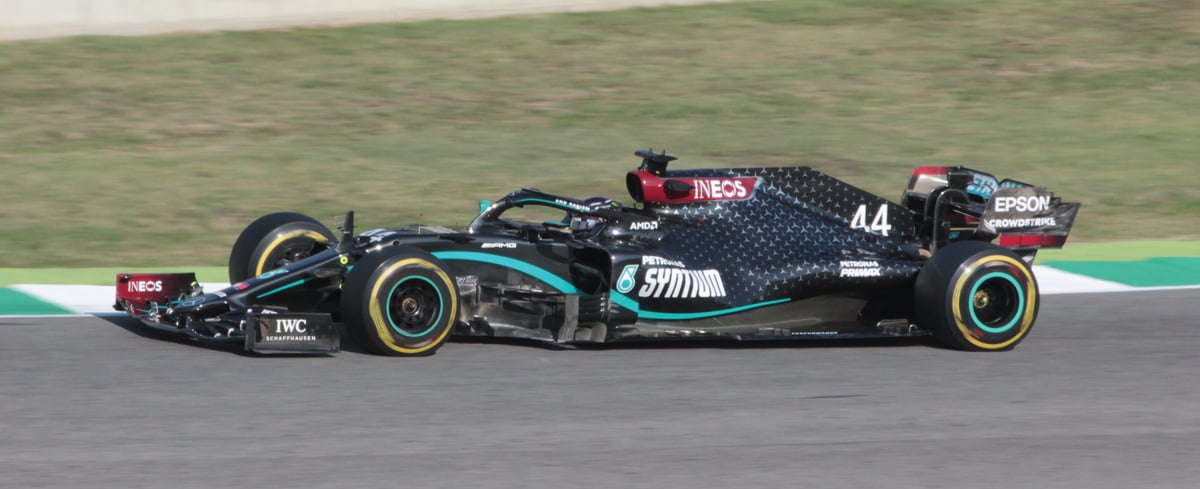
Malaysia’s government has convened an emergency parliamentary session after Red Bull’s latest aerodynamic adjustment threatened to destabilize the entire nation’s sense of fair play. Lewis Hamilton’s admission that Verstappen will be difficult to beat on Sunday has somehow escalated into a constitutional crisis, with opposition lawmakers demanding speed governors be fitted to all F1 vehicles by 2027.
The upgrade itself—a minor wing adjustment and brake duct refinement—is genuinely clever. It is not, however, capable of altering the fabric of society. Yet here we are, watching politicians who could not identify a DRS flap five minutes ago debate whether Formula 1 represents an existential threat to competitive motorsport.
The farcical part is not the upgrade. It is that a single team’s marginal performance gain has somehow convinced an entire nation that legislation is the answer. Social media has erupted with calls for an international speed limit treaty. One prominent commentator suggested F1 cars should be capped at 280 kilometers per hour, as if Verstappen’s dominance stems from breaking the laws of physics rather than simply being better prepared.
This is what happens when sport becomes politics. A faster car is no longer a faster car—it becomes a referendum on fairness, governance, and whether we have lost control of the thing we love. Red Bull did their job. They built something quick. The rest of us simply cannot accept that sometimes, someone else is just better equipped.
By Sunday’s race, expect three new bills and zero actual solutions.