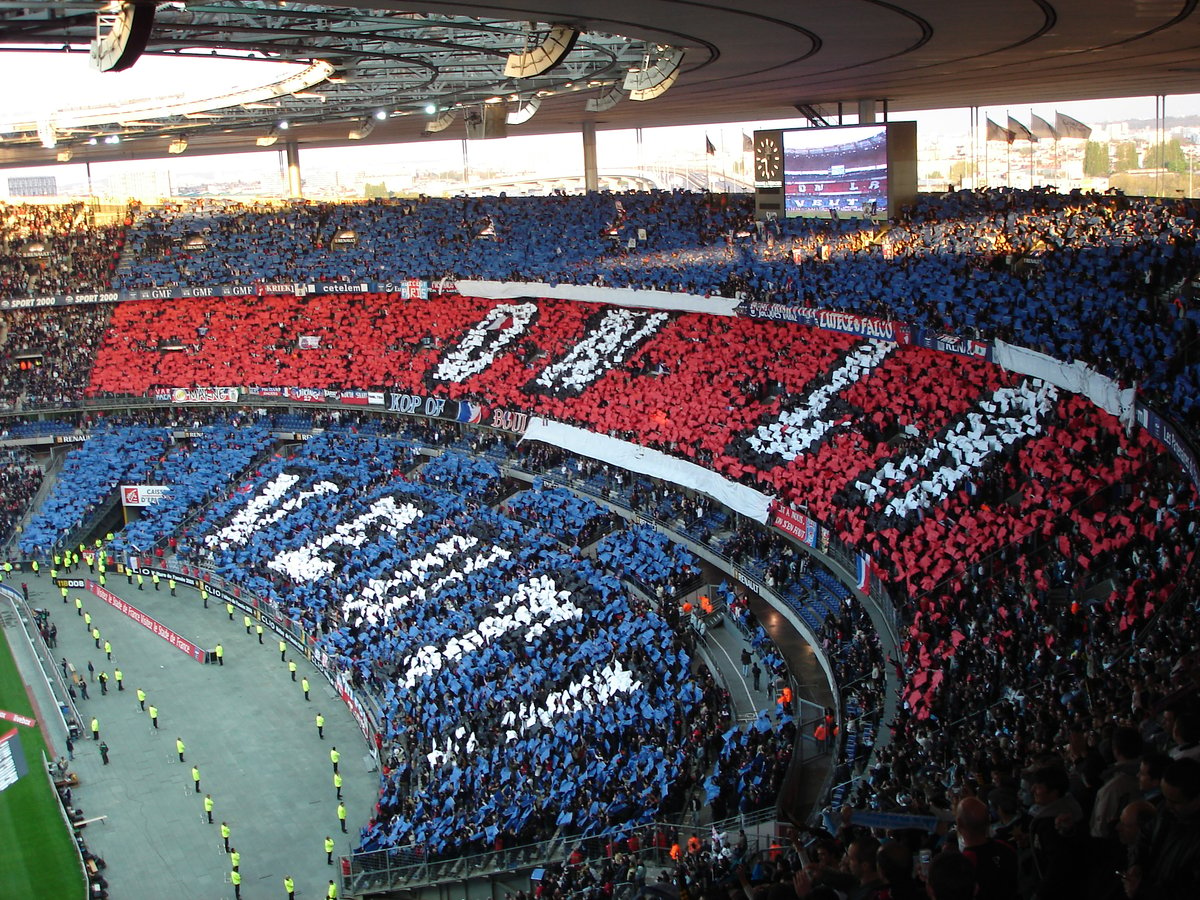
Paris St-Germain have done it. They have won the Champions League twice in a row. By the logic of modern football, this means they are now the greatest team ever assembled, their place in history secured for eternity, their trophy cabinet a physical manifestation of divine superiority. They have earned the right to declare themselves GOAT, to sit at the high table with the 1970 Brazil squad, with Barcelona’s MSN, with Real Madrid’s tenth European Cup. Two trophies. That is the bar now.
Except it is not. And we all know it.
What we are witnessing is not the coronation of a dynasty but the coronation of a spending model. PSG have assembled a team that costs more than most countries’ annual GDP. They have bought their way to back-to-back Champions League titles against a backdrop of financial structures that make the word “competition” feel like a polite fiction. And now, because they have won twice, because they beat Arsenal in the final, because two consecutive trophies is technically more than one, we are supposed to genuflect and accept their claim to greatness.
Let us be clear about what happened in that final. PSG won. Arsenal did not. This is a fact. But the victory does not retroactively grant PSG the status of greatest ever. It grants them the status of “team that won the Champions League twice.” A significant achievement, certainly. A reflection of dominance in European competition, undeniably. But also: a team that has spent more money than any rational organization should spend, assembled players with names that read like a fantasy draft, and still required two years to prove it works.
The greatest teams earn their status through a combination of factors. Sustained excellence across multiple competitions. The ability to win with less. Tactical innovation that changes how the game is played. Cultural impact that extends beyond the pitch. Real Madrid’s dominance in the 1950s came from building a system. Bayern Munich’s dominance in the early 1970s came from youth development and coherent philosophy. Liverpool’s came from a manager who understood football at a molecular level. PSG’s came from a nation-state deciding that winning was worth the cost.
This is not to diminish what PSG have achieved. Winning the Champions League in consecutive years is objectively difficult. Arsenal are a good team. The level of opposition in Europe is high. But the pathway to that victory was paved with money in a way that makes the achievement less about football intelligence and more about financial firepower. It is the difference between a chess grandmaster who has studied thousands of games and a chess player who has simply bought a computer to play for them.
What rankles most is the language we use. “Greatest of all time.” This phrase has been so thoroughly devalued that it now applies to anyone who wins anything twice. It is the inflation of superlatives in an age where every achievement must be the biggest, the best, the most historic. PSG are great. They are not the greatest. They are a very well-funded team that has won two trophies in succession. That is impressive. It is not a claim to immortality.
The real test of PSG’s status will come in the years ahead. Can they maintain this level without spending even more? Can they develop young talent instead of buying established superstars? Can they win without the financial advantage that has defined their recent era? These are the questions that separate the genuinely great from the generously funded.
For now, PSG sit atop European football. They have earned that position through victory on the pitch. But declaring them the greatest of all time based on two consecutive trophies is like declaring a new monarch the greatest ruler in history because they inherited a throne and did not immediately lose it. The crown sits on their head. The question is whether they earned it or simply bought it.
The answer, for most observers who have watched this unfold, is obvious. But PSG will enjoy the coronation regardless. That is what money buys you now — not just the trophy, but the narrative that surrounds it.