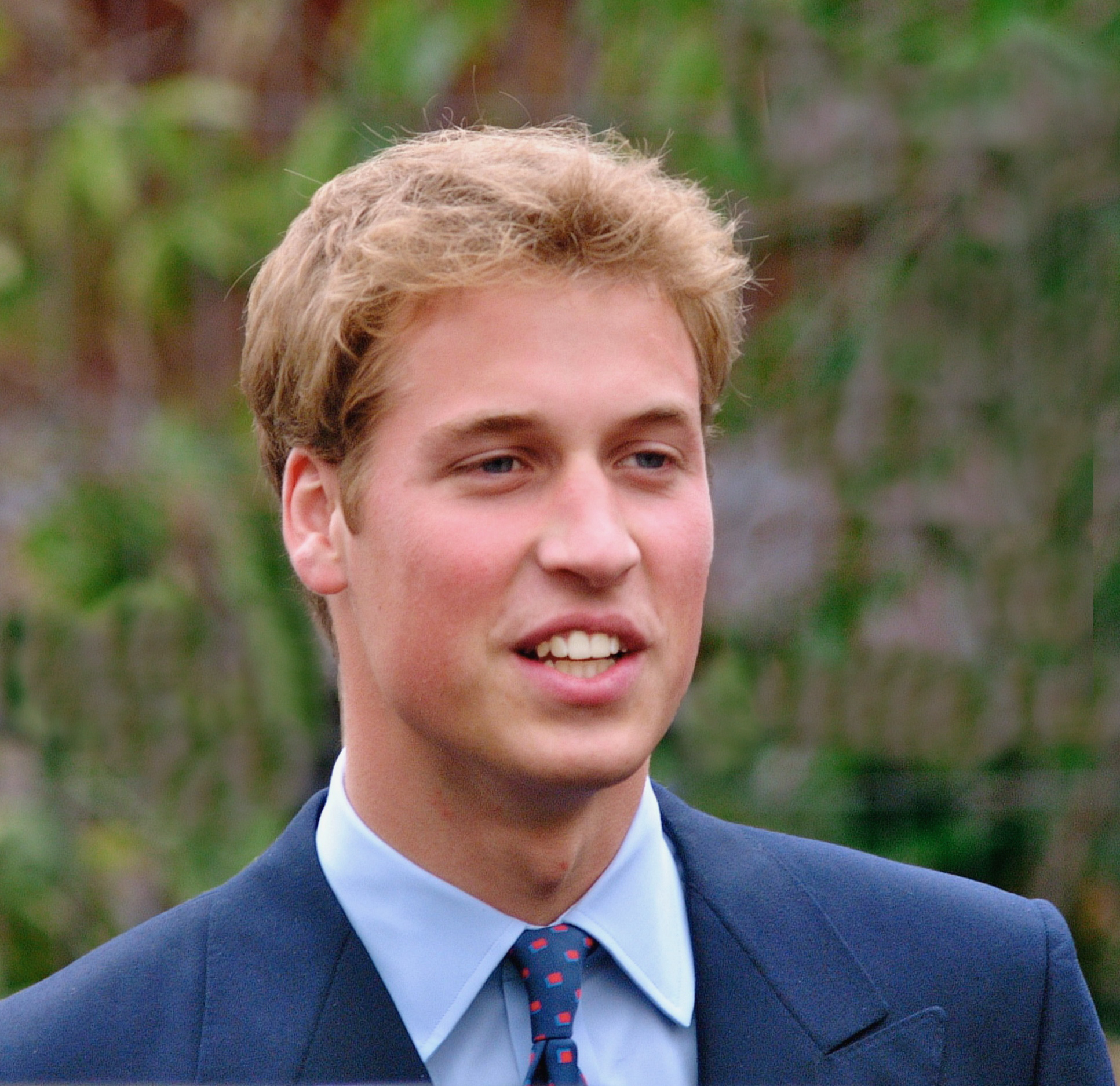
There is a photograph circulating from Istanbul that will reshape everything we thought we knew about Aston Villa’s Europa League triumph. In it, Prince William stands among the players, holding a beer, grinning like a man who has just discovered he was the architect of victory all along. The caption writes itself: tactical genius. Royal bloodline. The missing piece.
Let us be clear about what happened on May 21, 2026. Aston Villa defeated Freiburg in the Europa League final. This was a real sporting achievement, earned through eleven players on a pitch, a manager with a clipboard, and approximately ninety minutes of actual football. And yet—and here is where the satire becomes indistinguishable from reality—Prince William has apparently decided that his presence in the stands, his emotional range during the match, and his subsequent beer consumption constitute a legitimate claim to managerial credit.
The genius of this moment lies not in what the Prince actually did, but in what his appearance suggests he believes about his own role in professional sport. He showed a range of emotions. Fans in Birmingham celebrated. Therefore, the logic goes, he is the secret manager. This is how power actually works in modern Britain, apparently. Not through tactical acumen or years of studying the game, but through proximity, royal bearing, and the ability to hold a beverage while wearing appropriate casual wear.
The satirical escalation is irresistible. If Prince William’s emotional investment and post-match fraternization constitute managerial contribution, then he should absolutely run for club president. Forget the traditional path of working one’s way up through football administration. Forget the tedious business of understanding financial fair play or youth development infrastructure. Simply attend matches, feel things visibly, and claim the trophy as a collaborative effort between yourself and eleven other people who were also present.
But there is more. The Prince has apparently developed opinions on VAR. This is where the absurdity becomes a perfect mirror held up to modern sports discourse. A man who attends matches as a fan has now positioned himself as someone qualified to comment on the structural problems of video assistance technology. This is not unusual—every fan at every stadium does this. The unusual part is that this particular fan wears a crown and has the ear of institutions.
The call for a VAR overhaul, delivered from the position of someone who just won a trophy, carries a certain irony. When you win, the system that governed your victory suddenly seems wise. When you lose, it is corrupt. Prince William has discovered something that every sports fan learns eventually: victory makes you generous with praise for the institutions that enabled it.
What makes this situation genuinely satirical rather than merely absurd is that nobody will stop him. The club will not say, “Actually, sir, you are a supporter, not a manager.” The media will not question whether his presence constituted actual tactical input. Instead, there will be think pieces about his passion, his commitment to the club, his understanding of the modern game. A man who showed up, felt things, and drank beer will be credited with structural insight into professional football.
This is the logical endpoint of celebrity involvement in sport. It is not enough to be a fan anymore. Fans must be analysts, consultants, hidden architects of victory. A royal fan is simply a fan with better lighting and more institutional access. The beer in his hand is not a celebration—it is evidence of managerial competence.
So yes, Prince William should run for club president. He has already claimed the tactical role. He has the emotional intelligence. He has demonstrated his ability to be present at important moments and to have feelings about them. These are the only qualifications modern sport seems to require anymore. The actual running of a club—the budgets, the contracts, the academy development, the scouting—these are details that fade once you have won something.
Aston Villa’s victory was real. It was earned by people who trained for it, studied for it, and executed under pressure. The fact that a royal attended and felt emotions about it is lovely. It is not, however, a claim to credit. But in a world where presence is confused with expertise, where emotional investment is mistaken for tactical understanding, and where a beer in the stands counts as strategic contribution, why not? Why not have the Prince take a seat in the boardroom?
After all, he has already proven he can show a range of emotions. In modern sport, that is apparently enough.