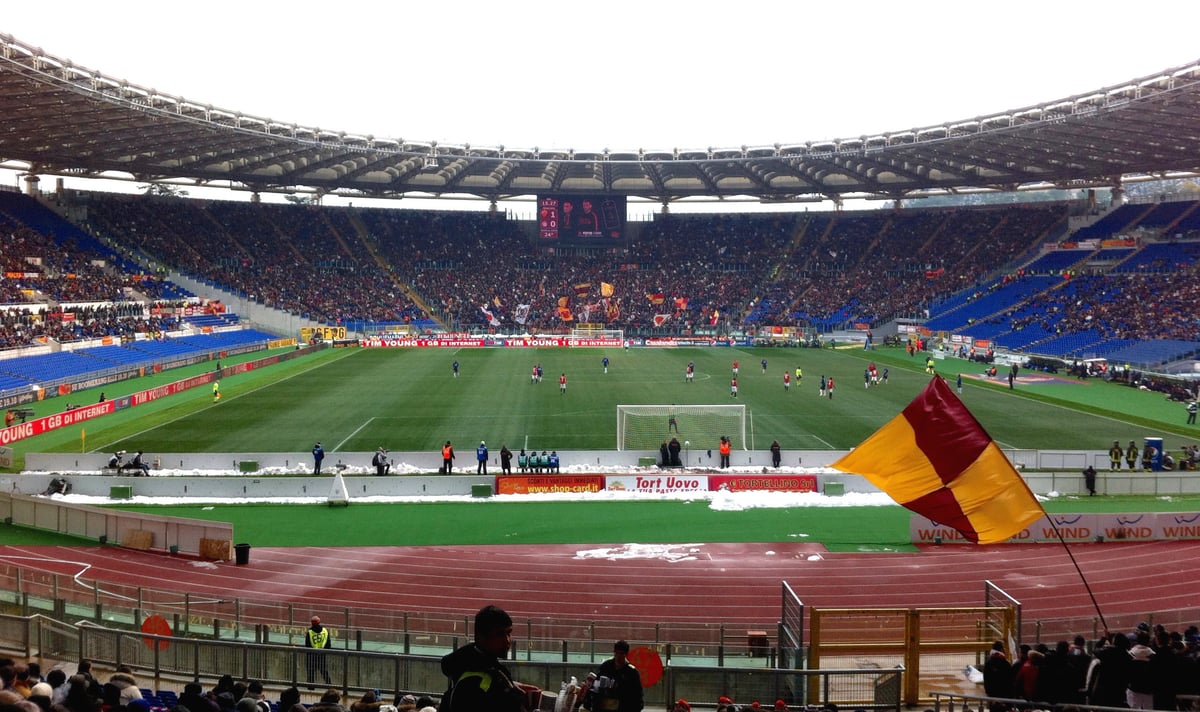
In a stunning reversal of four decades of football governance, the Prime Minister has declared that banning alcohol from stadium stands constitutes discrimination against fans who believe their right to a pint during the match supersedes public safety, player welfare, and the general concept of not having a riot every other weekend.
The 1985 law, introduced after Heysel and a series of incidents that made football look like a sport played by people who had already lost a fight before kickoff, is now being reframed as an attack on personal freedom. The logic is unassailable: if we ban drunk driving, surely we should ban drunk standing in crowded venues where one person’s loss of balance becomes everyone’s problem.
The government’s position rests on a simple principle: sobriety has become fashionable among the wealthy and politically connected, therefore it must be elitist. Why should working-class fans be denied the fundamental human right to watch their team while three pints deep, unable to remember the scoreline but absolutely certain the referee is conspiring against them?
No one has yet explained how this squares with the fact that every stadium brawl, every flare incident, and every instance of fans being ejected occurs when alcohol is somehow involved. But consistency is for people who don’t hold press conferences.
The real victory here is cultural: we have successfully rebranded sobriety as oppression.