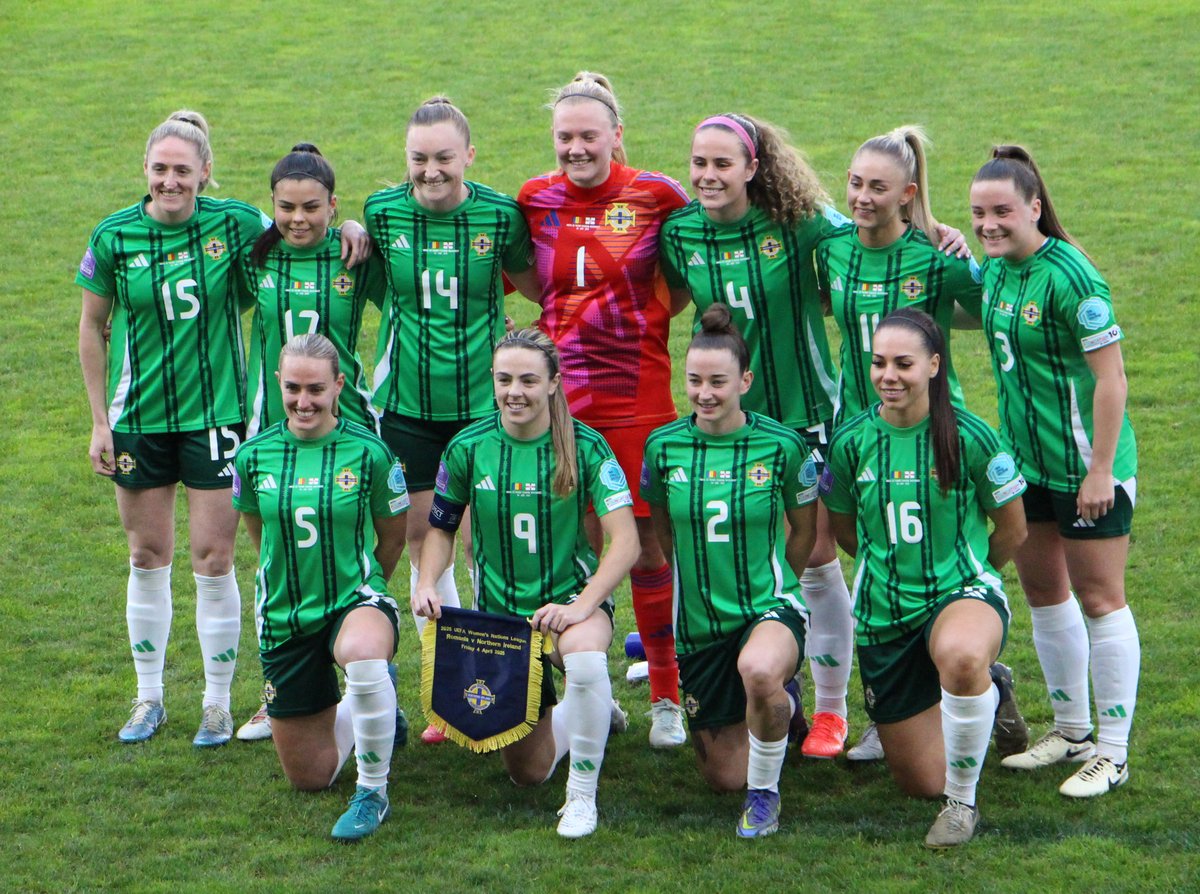
There is a moment in every nation’s sporting history when the bar for heroism gets lowered so far it disappears into the earth. Northern Ireland reached that moment on June 4, 2026, in Spain, when their record-breaking youthful squad defeated Guinea 1-0 in a friendly and somehow this became an act of biblical resilience.
Let us be clear about what happened. A team of teenagers played a football match against another team. One side scored. The other did not. The match ended. By any rational measure, this is a friendly—a warm-up, a nothing game, the kind of fixture that exists so players can get minutes and journalists can file copy on a slow Tuesday.
But Northern Ireland’s media, their federation, and apparently the entire concept of national pride has decided that simply fielding a squad young enough to need permission slips is itself an act of defiance. The narrative has become: these children showed up. They did not collapse. They won. Therefore, they are warriors.
This is not cynicism about youth football. Young players are often brilliant. The problem is the absurd inflation of what constitutes “resilience beyond their years.” Resilience, in the traditional sense, means facing adversity—injury comebacks, tournament heartbreak, playing out of position in a knockout final. It means something was at stake and you survived it anyway.
What Northern Ireland did was show up to a friendly and not lose. That is not resilience. That is basic professional competence. That is what every team in every sport does on every given day. Yet somewhere in the ecosystem of sports commentary, the act of a young team simply existing on the pitch has become a metaphor for human endurance.
The celebration is the story here, not the result. Watch how a 1-0 friendly win gets dressed up in the language of triumph. Watch how commentators search for meaning in what is essentially a training exercise. A goal was scored. It was probably decent. The goalkeeper probably made a save or two. And now we are supposed to believe this was an epic saga of youth overcoming odds that, frankly, did not exist.
Guinea is not a powerhouse. Spain is not the venue of destiny—it is where friendlies happen because the weather is good and the travel is manageable. The stakes were non-existent. The trophy was non-existent. The qualification points were non-existent. And yet the grit narrative writes itself anyway, because modern sports culture has become addicted to finding profundity in the mundane.
Here is what actually matters: whether these young players develop, whether they stay healthy, whether they eventually win something that counts. That is a three-year story, not a one-game story. But we do not have three years. We have a match report due and a narrative that sells, so we compress everything into 90 minutes and call it resilience.
Northern Ireland’s federation should be proud of their young squad. They should develop them properly. They should give them meaningful competition and real tournaments where something is on the line. That is how resilience actually gets built—through repetition, through failure, through learning to handle pressure when the result actually matters.
But a friendly win? That is not resilience. That is just football. The fact that we have to celebrate a team for simply playing competently in a meaningless match tells you everything about how low the bar has fallen and how desperately we need actual stakes in sport to remind us what grit actually looks like.
Next time Northern Ireland fields this squad in a competitive match—a Euro qualifier, a Nations League fixture, something where points count—then we can talk about what they have learned. Until then, they have done what every professional team does: they showed up, they played, they won. Call it what it is.