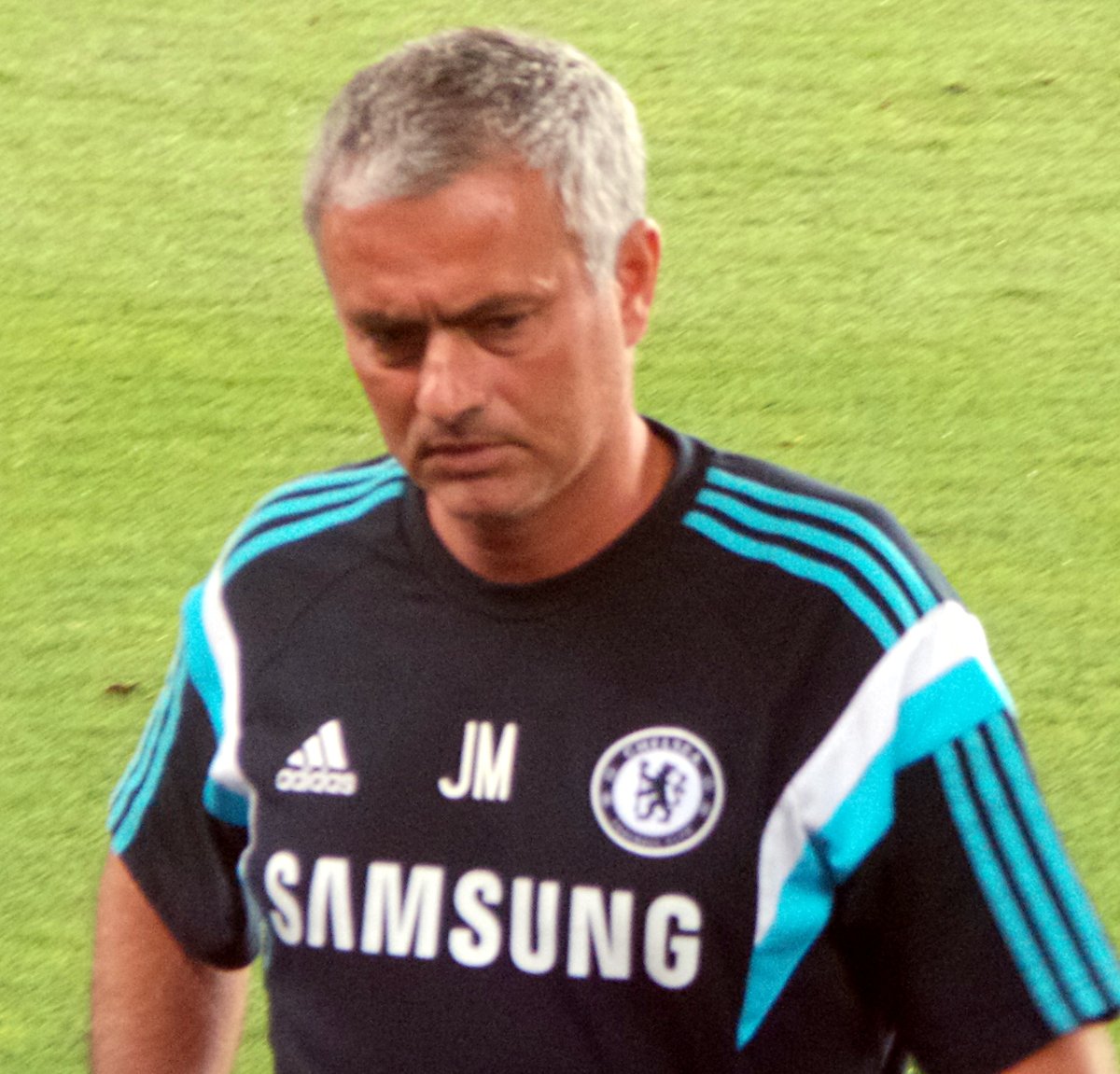
José Mourinho has signed a three-year contract to return to Real Madrid as head coach, and somewhere in the Bernabéu, a thousand dramatic gasps have been released simultaneously into the Madrid air like a coordinated flock of theatrical seagulls.
Let us be clear about what has just happened: the Special One has walked back into the stadium where his legend was forged and his ego was briefly—only briefly—tempered by the weight of expectation. This is not a coaching appointment. This is a resurrection scene in a five-act play nobody asked for but everyone will watch anyway, popcorn in hand, waiting for the inevitable scene where someone throws a water bottle or accuses a rival of being “a little bit special.”
The timing, naturally, is perfect for maximum melodrama. Real Madrid’s recent season has been described by various pundits as “transitional,” which in football language means “we won trophies but not the ones we wanted and everyone is pretending to be devastated.” Enter Mourinho, stage left, wearing his trademark black suit and carrying the weight of approximately seventeen unresolved grudges against the Spanish media. The narrative writes itself: the prodigal manager returns to save the club from the horror of merely being very good instead of transcendentally good.
Fans have reacted with the emotional range of a Shakespearean tragedy compressed into Twitter character limits. Some are celebrating as though the Champions League has already been won (it has not). Others are wringing their hands, muttering about “chaos” and “drama” as if Mourinho’s appointment somehow introduced these concepts to a club that has literally been the center of European football drama since the invention of the Champions League. The man has not coached a single game yet, and already the discourse has reached operatic proportions.
Pundits, those noble keepers of hot takes, have begun their sacred ritual of contradicting themselves. “Mourinho’s intensity is exactly what Madrid needs,” one will declare. “Mourinho’s intensity will destabilize the dressing room,” another will counter, often within the same broadcast. The beauty of Mourinho’s return is that it is unfalsifiable—whatever happens will be framed as either vindication or cautionary tale, depending entirely on which side of the argument you committed to before a ball was kicked.
The three-year contract is itself a masterpiece of dramatic irony. Three years is long enough to either rebuild a dynasty or create an internationally broadcast civil war. It is long enough for Mourinho to win everything or to have a very public disagreement with a player’s mother. The contract is a promise and a threat wrapped in legal language.
What makes this truly magnificent is that nobody actually knows what Madrid needs. Do they need Mourinho’s defensive pragmatism? Do they need his ability to make a team greater than the sum of its parts? Do they need his gift for turning himself into the story? Yes, yes, and definitely yes. But they also might need none of these things, and that uncertainty—that beautiful, terrible uncertainty—is what will keep this melodrama running for thirty-six months.
The Spanish media, those mercurial creatures, will have a field day. Every training ground incident will be dissected. Every team selection will be debated as though it contains hidden meaning. Every post-match interview will be analyzed for tone, subtext, and signs of impending implosion. Mourinho, who has mastered the art of feeding this beast, will provide them with exactly the amount of controversy they need to sustain their outrage.
What we are witnessing is not a coaching change. It is the return of sport’s greatest showman to the stage where he first became a legend. Whether this ends in triumph or tragedy matters less than the fact that it will be absolutely unmissable. The script is already writing itself, and we are all trapped in the theater.
The curtain has risen. Act One begins in July.