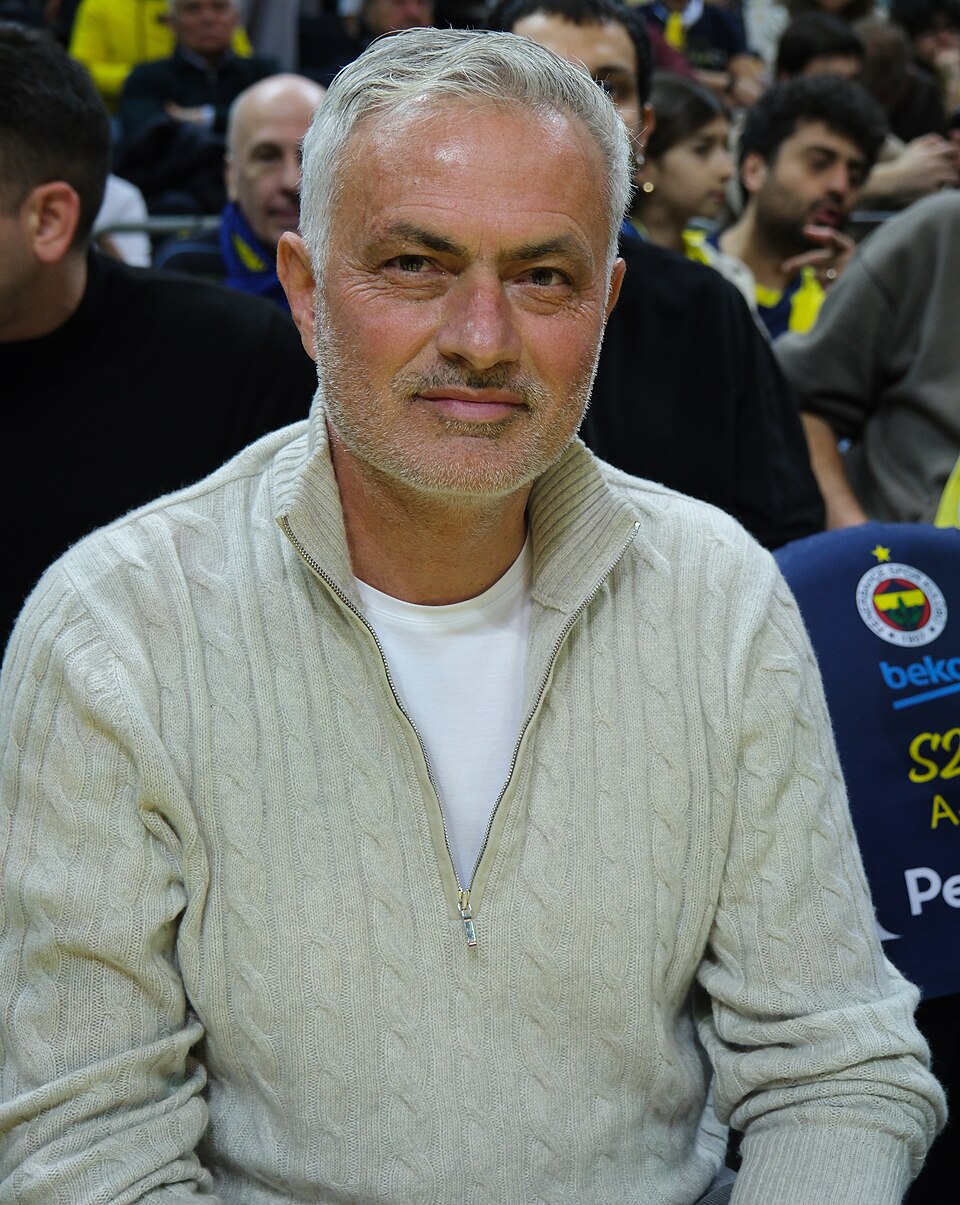
It has happened. After thirteen years of exile—a period during which he won trophies at Chelsea, Manchester United, and Roma, suffered public humiliations, gave podcasts, and apparently learned the art of strategic silence—Jose Mourinho is back at Real Madrid. The negotiations are in their final stages, which in diplomatic terms means the nuclear codes have been exchanged and both sides are waiting for the other to blink first.
Let us be clear about what this actually is: this is not a managerial appointment. This is a geopolitical realignment. This is the moment when two superpowers, having circled each other warily for over a decade, decide that the only way to solve their problems is to sit across from each other at a table and negotiate the terms of their reunion. Real Madrid, the most successful club in European football history, has decided that what it needs right now is not stability or continuity, but drama. Specifically, the kind of drama that only comes when you hire a man who once said he was a “special one” and then spent the next fifteen years proving it in the most theatrical way possible.
The timing is exquisite. We are living in an era where football clubs are managed like Fortune 500 companies, where data analysts outnumber academy scouts, where every decision is workshopped through three layers of committee approval. And then Real Madrid—the club that owns the Champions League like other teams own training cones—decides: you know what we need? The one man in football who treats a post-match interview like a closing argument before the International Court of Justice.
Mourinho’s first spell at the Bernabeu was not a quiet affair. He won thirty-two trophies in four years. He also created a siege mentality so complete that his players genuinely believed UEFA was conspiring against them. He left the club in a state of controlled chaos, the kind of chaos that only a man with his particular gift for psychological warfare can manufacture. The club has spent thirteen years trying to move past that era—Carlo Ancelotti’s calm professionalism, the steady hands, the “let football do the talking” philosophy. And now they are bringing back the man who believed football should do the talking, but only after he had finished a forty-minute monologue about how everyone else was deaf.
The real comedy is in what this says about modern football management. We have spent years hearing about the importance of “systems” and “structure” and “sustainable success.” Liverpool rebuilt themselves through patience and methodology. Manchester City won five Premier League titles in seven years through meticulous planning and resource allocation. And yet, when Real Madrid faced a moment of uncertainty—when the narrative shifted from inevitable dominance to mere competitiveness—their solution was to bring back the man most likely to turn their dressing room into a Shakespearean tragedy.
This is not a criticism. This is an observation. Real Madrid is essentially saying: we have won enough through normal means. Now let us win through sheer force of personality and the psychological destabilization of our opponents. We want our manager to treat every press conference like a TED talk about his own genius. We want our rivals to spend the week before facing us analyzing what he meant by a seemingly innocuous comment about their goalkeeper’s family history.
The negotiations being in “final stages” is itself a masterpiece of absurdity. What are they negotiating? The size of his office? The number of press conferences he is allowed to dominate per week? The specific wording of his contract that will allow him to hint at conspiracies without technically committing slander? These are not normal negotiations. These are the kind of talks that happen between nations trying to establish trade agreements after a war.
When Mourinho eventually signs—and he will sign, because this is the kind of narrative that only ends in one way—Real Madrid will have completed a full circle. They will have hired the man who proved that you do not need to be the most talented manager in the room if you are willing to be the loudest. That winning is not just about tactics and talent, but about controlling the narrative so completely that your opponents are still thinking about what you said three weeks ago instead of focusing on the match in front of them.
The beautiful, ridiculous truth is that it might actually work. Real Madrid has the players. They have the infrastructure. They have the history. All they needed was someone willing to weaponize his own ego in service of their ambitions. Mourinho, for his part, gets what he has always wanted: a platform large enough to match his own sense of self-importance, and a club desperate enough to let him have it.
This is not football management. This is performance art with a trophy attached.
Welcome back, Jose. We have missed the chaos.