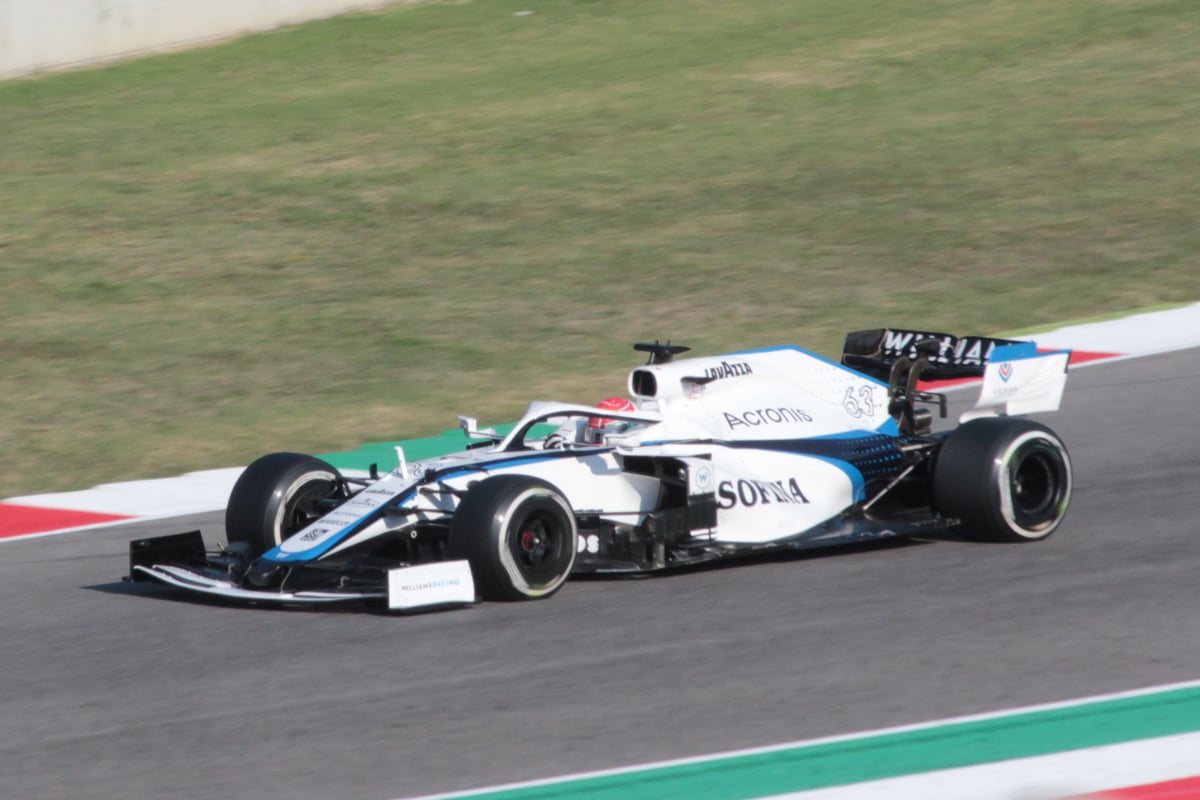
George Russell arrived in Monaco convinced he had unlocked the ultimate competitive edge: psychological warfare against his own teammate. The plan was flawless in theory. A few well-timed comments here, some subtle body language there, and Kimi Antonelli would crumble like a biscuit in a hurricane. Instead, Russell is now the one scratching his head so hard he might need a dermatologist.
What unfolded was not a masterclass in mental dominance but rather a cautionary tale about the dangers of overthinking in a sport where a tenth of a second matters more than anyone’s feelings. Russell’s mind games backfired so spectacularly that Mercedes team principal Toto Wolff has reportedly considered hiring a sports psychologist—not for Antonelli, but for the entire garage to process the existential crisis now unfolding.
The irony is almost too perfect. Russell, attempting to destabilize his teammate, instead destabilized himself. Antonelli, unburdened by the weight of psychological manipulation (or perhaps simply immune to it), drove normally. Russell, tangled in his own web of strategic commentary, forgot to actually drive the car fast. Monaco punished him for it with the efficiency it reserves for hubris.
Mercedes insiders whisper that Antonelli has started keeping a journal. Not for performance notes—for therapy. “What does it mean,” he apparently asked during a debrief, “when someone tries to play mind games and loses to their own mind instead?” Even the engineers are concerned. One strategist was spotted staring blankly at telemetry data, muttering about the nature of competitive advantage.
Russell’s Monaco weekend became a masterclass in self-sabotage disguised as strategy. Sometimes the only mind game that works is knowing when not to play one.