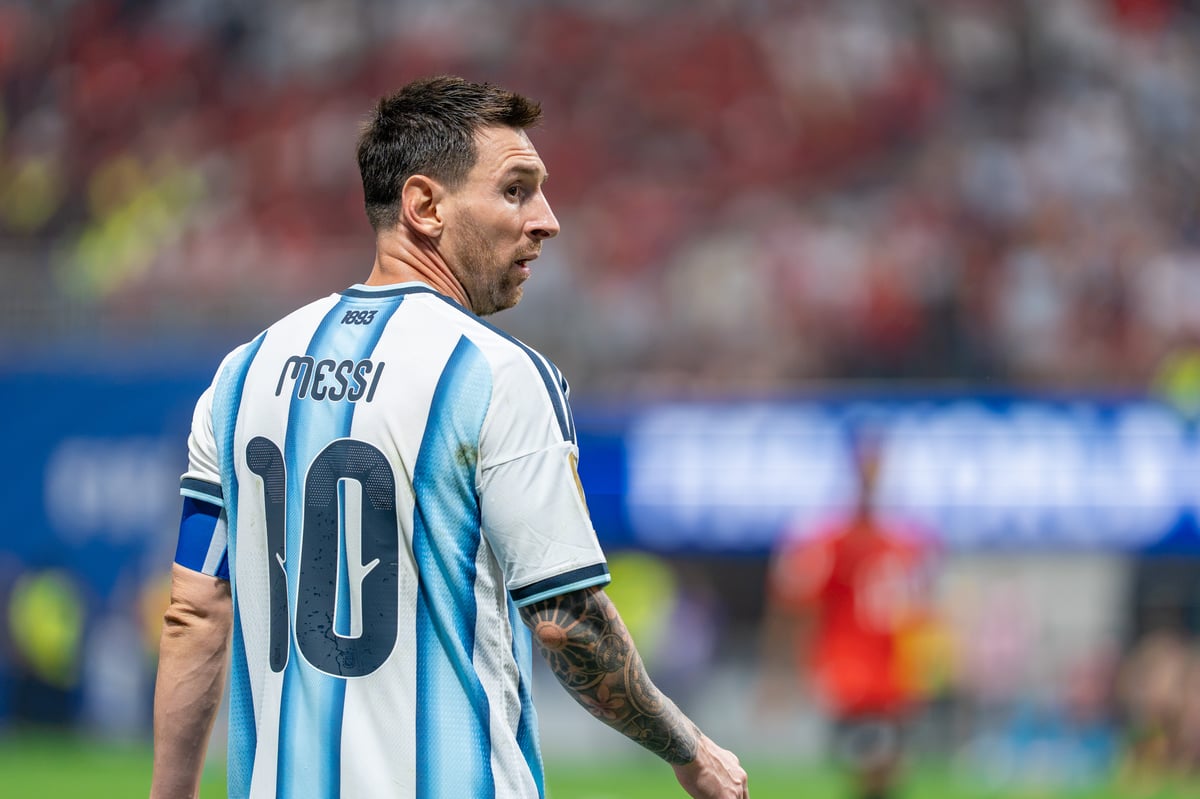
Lionel Messi has officially retired from international football, and Argentina’s government has declared a state of emergency. Not officially, of course—but the collective wailing from Buenos Aires to Córdoba suggests the nation has lost its primary export: hope.
The man who said he had “nothing left to give” has apparently given everything else already. Sixteen years. Seven Copa América and World Cup campaigns. A nation that learned to measure time in two eras: before Messi scored, and after. Now there is only after, and it is very quiet.
Argentina’s response has been predictable. Fans have begun hoarding tissues. The national team’s WhatsApp group has gone silent. Economists warn that without Messi to distract the population, people might actually pay attention to inflation. One Buenos Aires café has replaced its coffee menu with “Sadness: $12. Existential Dread: $8. Espresso: We’re closed.”
The real crisis is not tactical. It is spiritual. Argentina built an entire identity around watching one man solve problems that 45 million people could not. Now they must confront a future where their national team is just… a team. Competent, perhaps. Functional, maybe. But no longer the vessel through which a nation’s dreams are poured and occasionally, miraculously, returned as trophies.
Messi said the decision hurt. Argentina is discovering that the hurt has only just begun. The empanadas taste like dust now.