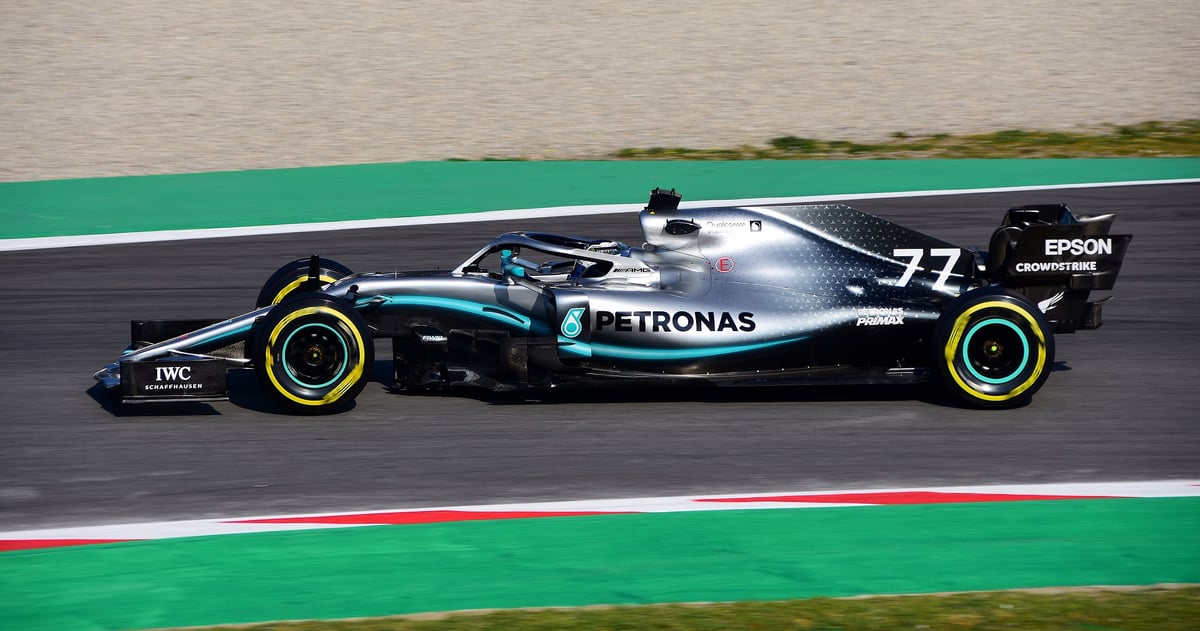
The paddock is in freefall. Mercedes, the team that has spent the last three seasons pretending to care about Alpine’s future while simultaneously building a championship-winning operation, has walked away from the negotiating table. The reason? The price tag was too high. And with that decision, a thousand F1 fans simultaneously realized they had no idea Alpine was even trying to sell itself.
Let us be clear about what just happened: Mercedes looked at Alpine’s asking price, did the math on a napkin, and said no thank you. This is not a minor boardroom disagreement. This is a full-blown existential crisis for a team that has been racing under the Alpine banner for exactly five minutes and is already watching potential saviors head for the exit.
Alpine, you may recall, was supposed to be the scrappy underdog story of the modern era. A French manufacturer returning to F1 with ambition and a budget. A team that would one day challenge Mercedes and Red Bull. A narrative so compelling that even casual fans pretended to care about Esteban Ocon’s race strategy. And now? Now they are sitting alone in a room, holding their business plan, while the one team they thought might actually want a piece of them has ghosted them harder than a Formula 1 driver avoiding media obligations after a bad qualifying session.
The financial markets are in shambles. Alpine’s valuation has been publicly rejected by the most successful team of the modern era. Imagine being told your house is overpriced by someone who just built a mansion across the street. The humiliation is not just corporate—it is personal. It is the kind of rejection that gets discussed in team meetings for years. The kind of “no” that echoes through the paddock every time Alpine’s name comes up at a drivers’ briefing.
Mercedes, for their part, has played this perfectly. They get to look fiscally responsible while simultaneously confirming what everyone already suspected: Alpine is not worth the investment at the asking price. This is not a vote of confidence. This is a vote of “we would rather spend our money literally anywhere else.” Perhaps on a new wind tunnel. Perhaps on a simulator. Perhaps on a very expensive coffee machine in the hospitality unit. Literally anything but Alpine’s minority stake.
What makes this genuinely funny—and here is where the satire becomes indistinguishable from reality—is that Alpine now has to sit in the F1 paddock and pretend this is fine. They have to show up to races, fight for points, and act like they are not quietly panicking about who will actually want to invest in them. Every team principal press conference is now a masterclass in damage control. Every interview is an opportunity to explain why being rejected by Mercedes is somehow a good thing.
The ripple effects are already visible. Other teams are watching. Sponsors are watching. Drivers looking for their next seat are watching. And they are all thinking the same thing: if Mercedes—the team with infinite resources and infinite patience—thinks Alpine is overpriced, what does that say about the actual value of a minority stake in a mid-grid French racing operation?
Alpine’s existential crisis is not new, but it has never been quite so public. The team has been fighting for relevance since the Renault days. They have cycled through leadership like other teams cycle through tire compounds. They have made promises about future competitiveness that have aged like milk in the sun. And now, just when they thought they might have found a lifeline in Mercedes’ potential involvement, that lifeline has been cut.
The irony, of course, is that Mercedes’ withdrawal might actually be the most honest thing anyone has said about Alpine’s current position. It is a reality check delivered by the most successful team in F1 history. And sometimes reality checks hurt more than any on-track disaster ever could.
Alpine will survive this. They will find someone to invest. They will rebuild their narrative. They will return to the paddock next week and pretend this never happened. But the damage is done. The market has spoken. Mercedes has spoken. And in the world of Formula 1, when the reigning champions say your asking price is too high, that is not a negotiating position—that is a verdict.