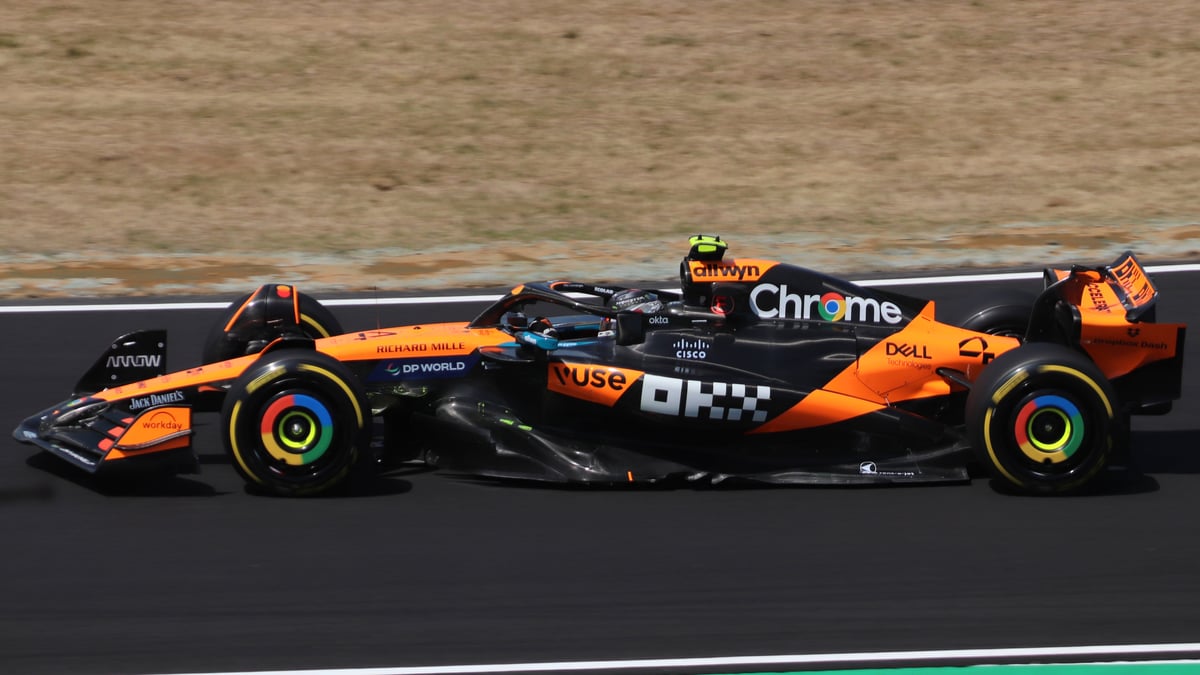
Lando Norris has won a Formula 1 race in 2026. Let that sink in. Not crashed out of one. Not finished third after a strategy call that would make a medieval siege planner weep. Won. One. Clean.
Meanwhile, Ferrari spent the Hungarian Grand Prix doing what Ferrari does best: finding new and creative ways to transform a competitive car into a mobile advertisement for the phrase “there’s always next year.” The Scuderia didn’t just underperform at Budapest; they performed a full theatrical production of underperformance, complete with pit wall decisions that seemed designed by someone who learned strategy from a Magic 8-Ball.
This is not hyperbole. This is not exaggeration. This is simply what happens when McLaren shows up prepared and Ferrari shows up hoping the laws of physics have changed since last Tuesday.
Norris’s victory marks the exact moment motorsport pivots on its axis. Forget the entire history of Formula 1. Forget Senna, Prost, Schumacher. What matters now is that a British driver in papaya finally got his car and his decision-making to align on the same lap. Revolutionary. Genuinely game-changing. The sport will never recover from this seismic shift in competence.
Ferrari, by contrast, has perfected the art of snatching defeat from the jaws of victory so consistently that it’s become their signature move—like a guitarist known for hitting the wrong notes so often people assume it’s intentional. Next year will be different, they promise. It never is.