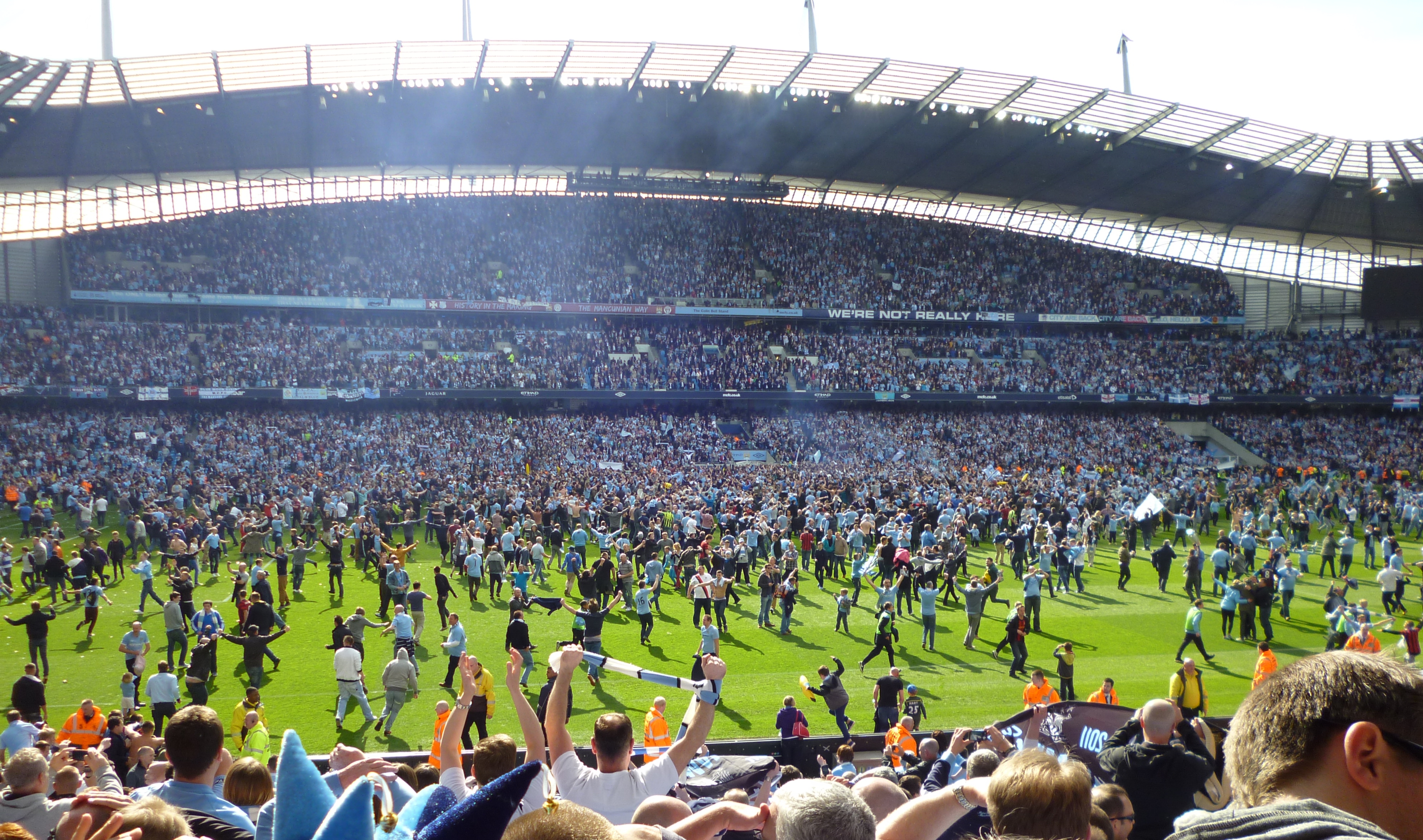
Manchester entered a state of collective grief on May 19th that epidemiologists are already studying as a textbook case of mass psychological collapse. Within 24 hours, the city’s Premier League title had evaporated like morning dew, and Pep Guardiola—the man who had become more essential to Manchester’s identity than rain or disappointment—announced his departure. The effect was immediate and devastating.
Florists across the city reported their black flower inventory depleted by Wednesday evening. One shopkeeper on Deansgate described the scene as “like a funeral home exploded, except everyone was buying for themselves.” Demand for black roses, black tulips, and whatever passes for black in the floral world surged so dramatically that wholesalers scrambled to understand the botanical equivalent of a bank run. One supplier noted that he had never received an order for 500 black chrysanthemums before noon on a weekday. He is now considering a second mortgage.
The timeline matters here because it speaks to the absurdity we have collectively agreed to inhabit. A football club lost a title—something that happens in football, a sport where winning and losing are the fundamental operating principle—and simultaneously, its manager decided to leave. These are not natural disasters. No one died. The city did not flood. And yet the response suggested that the sky had fallen and taken all meaning with it.
Social media transformed into a digital wake within minutes. Grown men who had previously complained about their mortgages and traffic were now posting photographs of themselves in dark rooms, captioned with variations of “this is the end.” One particularly creative mourner created a 47-slide PowerPoint presentation ranking the worst days of his life, with May 19th, 2026 already secured at position two (position one was reserved for the day his son was born, which he noted was actually “pretty good but logistically inconvenient”).
The Premier League title loss was, in isolation, significant. Manchester City had dominated English football for years under Guardiola’s system—a system so methodical, so precise, so utterly uncompromising that it had begun to feel less like sport and more like a benevolent dictatorship executed through the medium of football. When they failed to retain it, when someone else lifted the trophy, it registered as a genuine shock to the nervous system of the fanbase. Shock is fair. Reasonable. Expected, even.
But Guardiola’s announcement was the knockout punch delivered to someone already on the canvas. Here was the architect of the empire, the man who had spent years constructing something that felt permanent, suddenly announcing his intention to leave. The timing—delivered like a plot twist in a Greek tragedy—suggested that he had absorbed the loss of the title and decided that the moment had come. Not next year. Not after one more push. Now.
This is where the absurdity calcifies into something worth examining. In what other sphere of life would we respond to a change in employment with mass floral purchases and digital declarations of existential despair? If your company’s CEO announced their departure after a quarterly loss, you would update your LinkedIn and perhaps consider your options. You would not purchase 500 black flowers and post a 10,000-word manifesto about the meaning of work and existence.
But football exists in a different register. It operates on emotional logic rather than rational logic. Fans do not support their clubs because the quarterly earnings report is impressive. They support them because support is a form of identity, a way of saying who you are and what you believe. When that identity is threatened—when the king announces his abdication—the response is proportional to the investment. And Manchester City fans had invested everything.
The flowershops, then, become a perfect symbol of this inversion. They are selling black flowers to people mourning a football result. It is absurd. It is also completely understandable if you accept the premise that football matters the way religion or family matters. The flowers are not silly. The situation is.
What made May 19th different from any other day a team loses a title was the compounding effect. One bad thing happened, and then the worst possible thing happened immediately after. It was not just a loss. It was a loss that signaled an ending. The man who had made the losses bearable—who had always suggested that next year would be different, that the system was sound, that another title was inevitable—suddenly made it clear that he would not be there for next year.
The florists will restock their shelves. The fans will process their grief through the mechanisms they have developed over decades of supporting a football club. Some will move toward acceptance. Others will construct elaborate theories about what went wrong and how it could have been prevented. A few will probably buy more black flowers just to mark the occasion properly.
But for one crystalline moment in May 2026, Manchester experienced something that transcends sport: the simultaneous loss of a trophy and the announcement of an ending. The flowers were not excessive. They were exactly proportional to the moment. Which is to say, they were completely absurd, and therefore perfect.