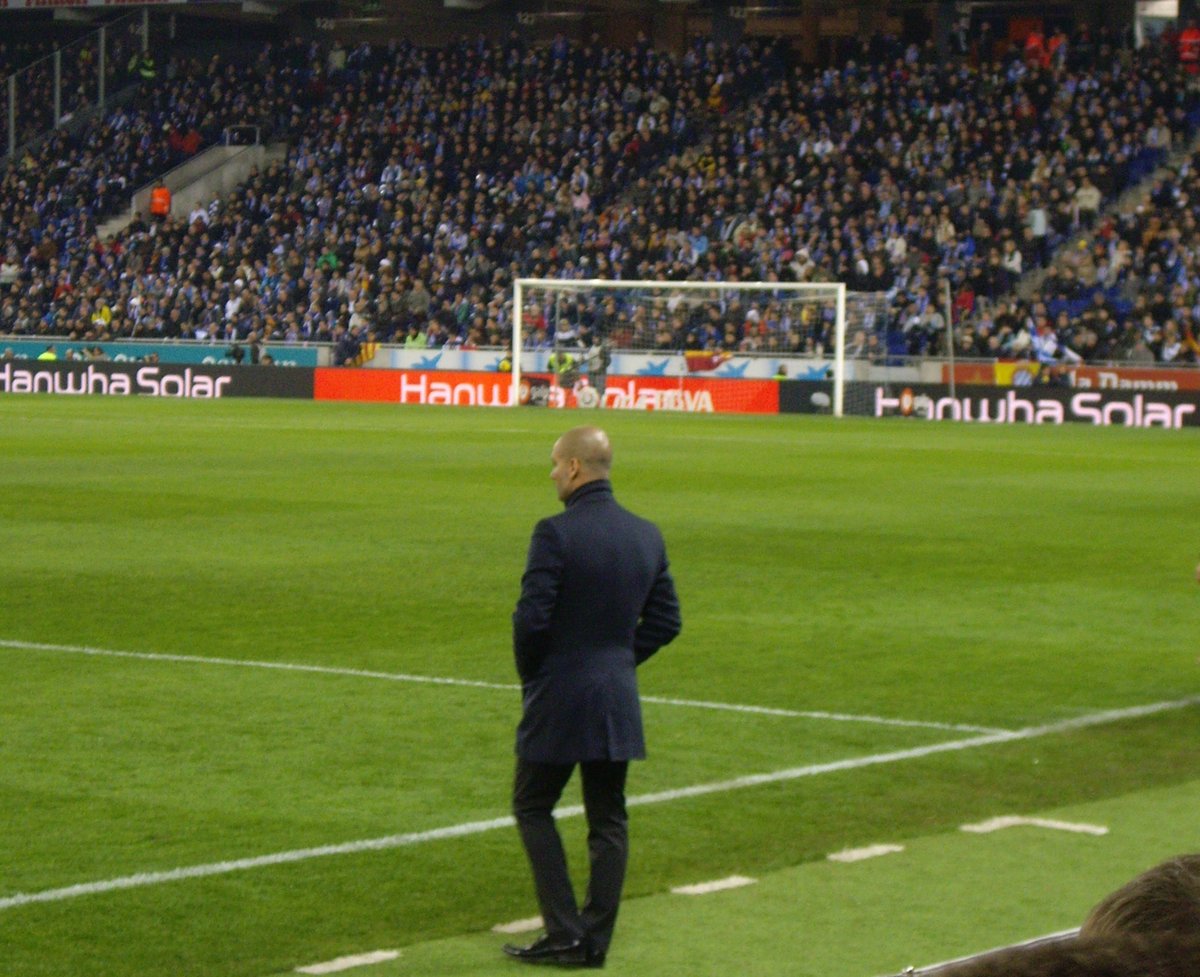
After a decade of winning so much that winning stopped being interesting, Pep Guardiola has announced his departure from Manchester City with the energy of a man who has finally finished a Netflix series and is ready to move on to the next one. The club needs “new energy,” he says. Translation: everyone involved is exhausted.
This is not a resignation. This is not a firing. This is a soap opera plot twist that somehow nobody saw coming, despite the fact that Guardiola’s contract was expiring and he literally told us this was happening. Welcome to the modern football transfer window, where the only thing more unpredictable than the outcome is the emotional availability of the people running the show.
Let’s be clear about what happened here. Manchester City won everything. They won it again. And then they won it one more time for good measure. They won so comprehensively that the Premier League started to feel less like a competition and more like a tax on everyone else’s existence. Guardiola built a machine so efficient that opposing teams began filing complaints about the rules of the sport itself, as if the problem was the game and not the fact that they were being outplayed by a team that had clearly solved football.
But here is where the melodrama begins. Winning is exhausting. Not for the fans — for them it is catnip. For the players, the staff, the man who has to explain the same tactical innovation for the fifteen-hundredth time in a press conference: that is where the fatigue lives. Guardiola did not say “I am bored.” He said Manchester City “needs new energy.” It is the corporate equivalent of “it’s not you, it’s me,” which in this case is technically true. The team needs someone who still gets excited about winning. Guardiola has won so much that he has begun to speak about winning like a man describing his commute.
The timing is delicious. This comes after a season where Manchester City’s grip on English football loosened just enough for people to remember what competition felt like. Not a collapse, mind you. A loosening. A slight loss of grip. A reminder that even machines require maintenance, and Guardiola is apparently the type of manager who prefers to hand off the car before the transmission starts making that noise.
Now begins the great search for his replacement, which will be treated with the same urgency and drama as a reality TV talent show, except the prize is managing a team that has already won everything and now needs to win it all again but with better vibes. The new manager will inherit a squad full of world-class players who have become accustomed to winning so regularly that anything less than a trophy will feel like a relegation. Good luck with that energy boost.
Guardiola leaves behind a legacy that transcends statistics. He has won four Premier League titles in the last five years. He has won a Champions League. He has fundamentally altered how teams think about pressing, positioning, and the nature of control itself. He has also left an entire sport exhausted from watching him do it.
The absurdity here is not that he is leaving. The absurdity is that we are all supposed to treat this as a surprise ending to a story that was written the moment he signed a new contract. He needed new energy. The team needed new energy. Everyone needs new energy. We are living in an age where even the most successful manager in modern football is admitting that even success runs on a battery, and batteries die.
What comes next is the real drama. Manchester City will hire someone. That person will either maintain the dynasty or become the villain in the story of how a great team fell apart. The media will cover it like a season finale. Fans will debate it endlessly. And somewhere, Guardiola will be preparing his next project, probably another team that will need him to solve football all over again, but this time with better energy.
The door has not closed on Guardiola’s City era. It has gently swung shut while everyone was still watching, which is exactly how he would have wanted it. Controlled. Inevitable. And somehow, still surprising.