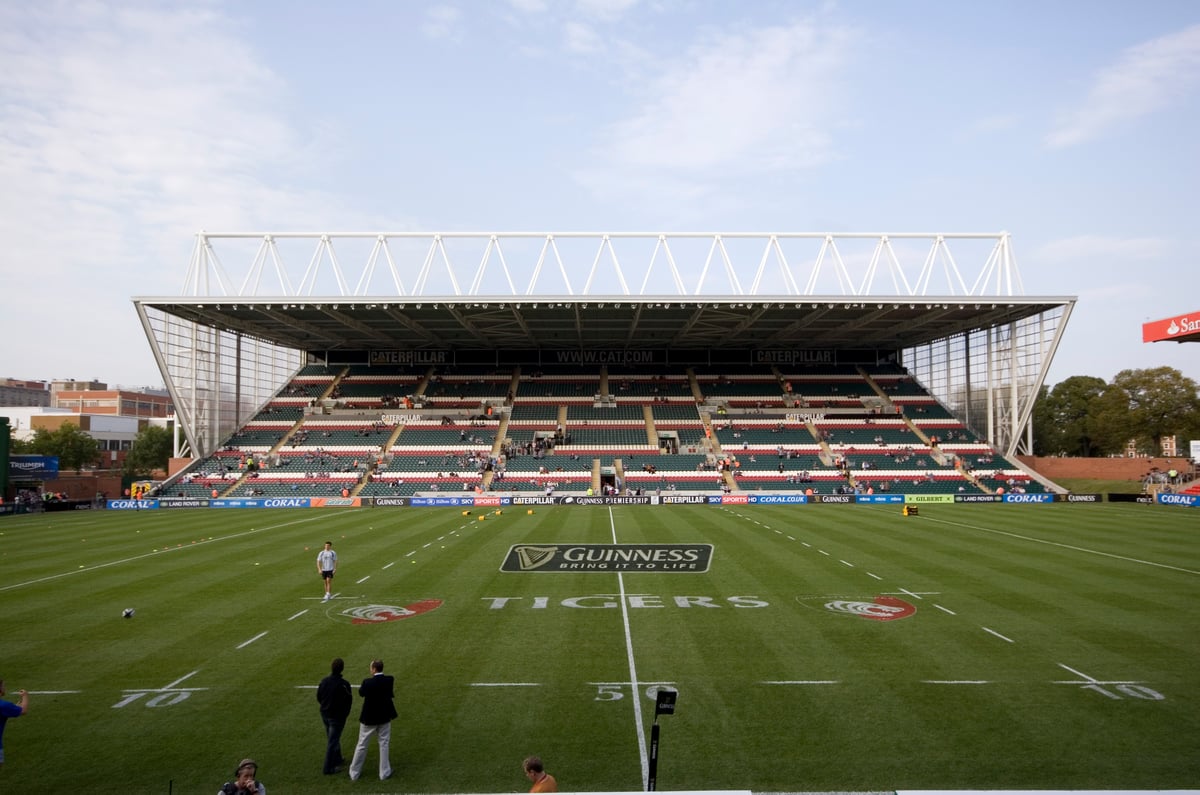
The Leicester Tigers have done it. After a decade of coaching carousel rides that would make a theme park operator weep, they have appointed their tenth head coach in eleven years. His name is Geoff Parling. And apparently, he is The One.
Let us pause here and absorb the gravity of what has just occurred. Ten coaches. In eleven years. That is not a hiring strategy—that is a revolving door with a velvet rope and a clipboard. That is a club that has treated the head coach position the way some people treat Netflix subscriptions: exciting at first, then exhausting, then you just want it to work so badly you ignore the obvious signs it never will.
But Parling had a successful first season. One season. One! In the history of Leicester Tigers’ managerial turbulence, one season of competence is apparently the equivalent of finding the Holy Grail while simultaneously solving world hunger. The bar has not just been lowered—it has been buried in the East Midlands soil and replaced with a cardboard cutout of a bar.
This is the moment, we are told, where Leicester finally finds stability. Not because Parling is a visionary. Not because he has some revolutionary philosophy that will transform rugby union. But because—and this is the key—he did not immediately implode during his first year. He kept the thing running. The wheels did not fall off. The bus did not crash into the stadium.
There is something profoundly, achingly funny about a major sporting institution needing to celebrate basic competence like it is the resurrection of a dead god. “Ladies and gentlemen, our new head coach has not yet been sacked. We are cautiously optimistic.” This is what we have come to. This is the Leicester Tigers story: a club so desperate for consistency that they are willing to treat “did not fail spectacularly” as a mandate for a long-term partnership.
The previous nine coaches presumably thought they were hired to win rugby matches. Foolish. They were actually hired to serve as human placeholders in a elaborate ritual of institutional chaos. Some lasted three months. Some lasted a season. None of them understood that the real job was simply to survive long enough that the board could point at you and say, “See? This one might actually stick around.” Parling has cleared that Everest of an obstacle. He has not quit. He has not been fired mid-season in a blaze of fury. He has simply… existed.
And so the nation holds its breath. Will Parling be the one? Will Leicester Tigers finally break the curse? Will they avoid the pattern that has defined them like no other club in professional rugby—a pattern so consistent it is practically a business model? The suspense is killing us. Truly. Our collective heart rate has never been higher.
Meanwhile, at other rugby clubs, they are watching with the kind of detached amusement usually reserved for reality television. “Look,” they seem to be saying, “Leicester has hired another coach and they are acting like he has already won them a trophy.” It is the sports equivalent of a relationship where one party gets excited because their partner showed up on time to dinner. Just showed up. On time. What an achievement.
The beautiful absurdity here is that Parling might actually be good. He might be the stability they need. He might build something lasting. And if he does, Leicester will have finally stumbled into competence after a decade of stumbling into chaos. But the club will forever be defined not by Parling’s success, but by the nine spectacular failures that came before him—a cautionary tale about what happens when a rugby union institution loses its way so thoroughly that hiring the tenth coach feels like winning the lottery.
So yes, nation, hold your breath. Celebrate the appointment. Marvel at the possibility of consistency. But remember: this is Leicester Tigers, a club that has made an art form out of the coaching merry-go-round. Stability is not guaranteed. It is merely hoped for. And in the Tigers’ case, that hope is the most expensive luxury item they own.