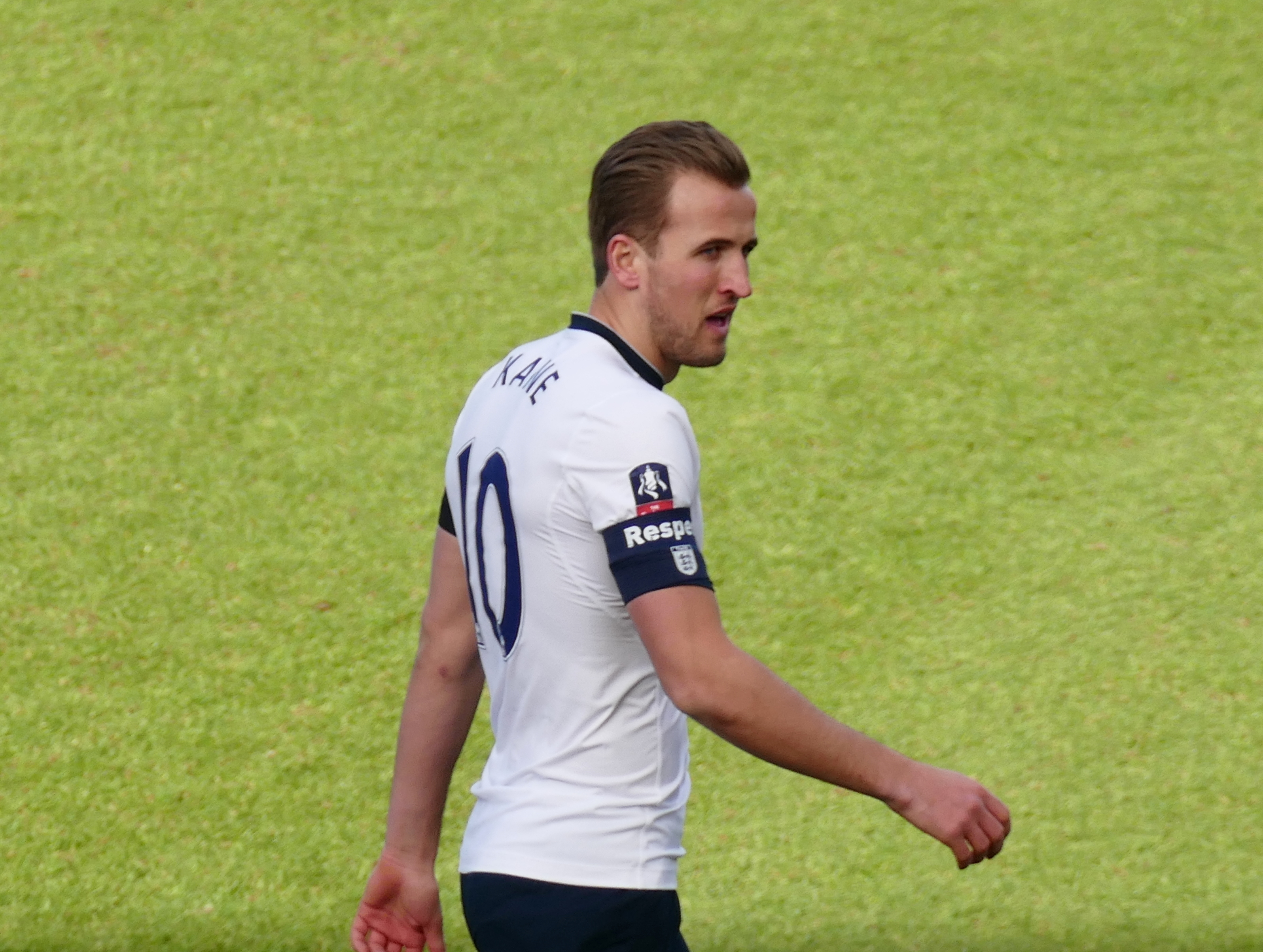
Harry Kane, a man who has spent the last decade terrorizing defences across Europe, left an Ella Langley concert early on Wednesday night. Not because the acoustics were poor. Not because he had a migraine. But because he had a curfew.
A curfew. In 2026. For a professional athlete earning more in a week than most people earn in a year.
Dan Burn was there too, both of them slipping out of the Ella Langley gig like teenagers sneaking back into their parents’ house before the 11 PM lockdown. Except these are grown men who have captained nations, won trophies, and demonstrated the kind of discipline that separates elite athletes from weekend warriors. Yet here they are, checking their watches mid-chorus because Gareth Southgate’s curfew is as immovable as a centre-back in the box.
The absurdity is almost poetic. Kane can execute a 40-yard diagonal pass that splits a defence in half, but he cannot stay out past 9 PM to hear the chorus of a country song. Burn can mark a striker out of the game with one arm tied behind his back, yet he must abandon his evening like a university student with a 10 AM lecture.
This is what elite sport has become: a contradiction wrapped in discipline. These men are treated as tactical geniuses during matches and children during downtime. The curfew exists for a reason—team cohesion, rest, focus—but watching millionaires shuffle out of a concert venue early reveals the strange paternalism that still clings to professional football. They are trusted with your nation’s hopes on Sunday. On Wednesday, they need a bedtime.