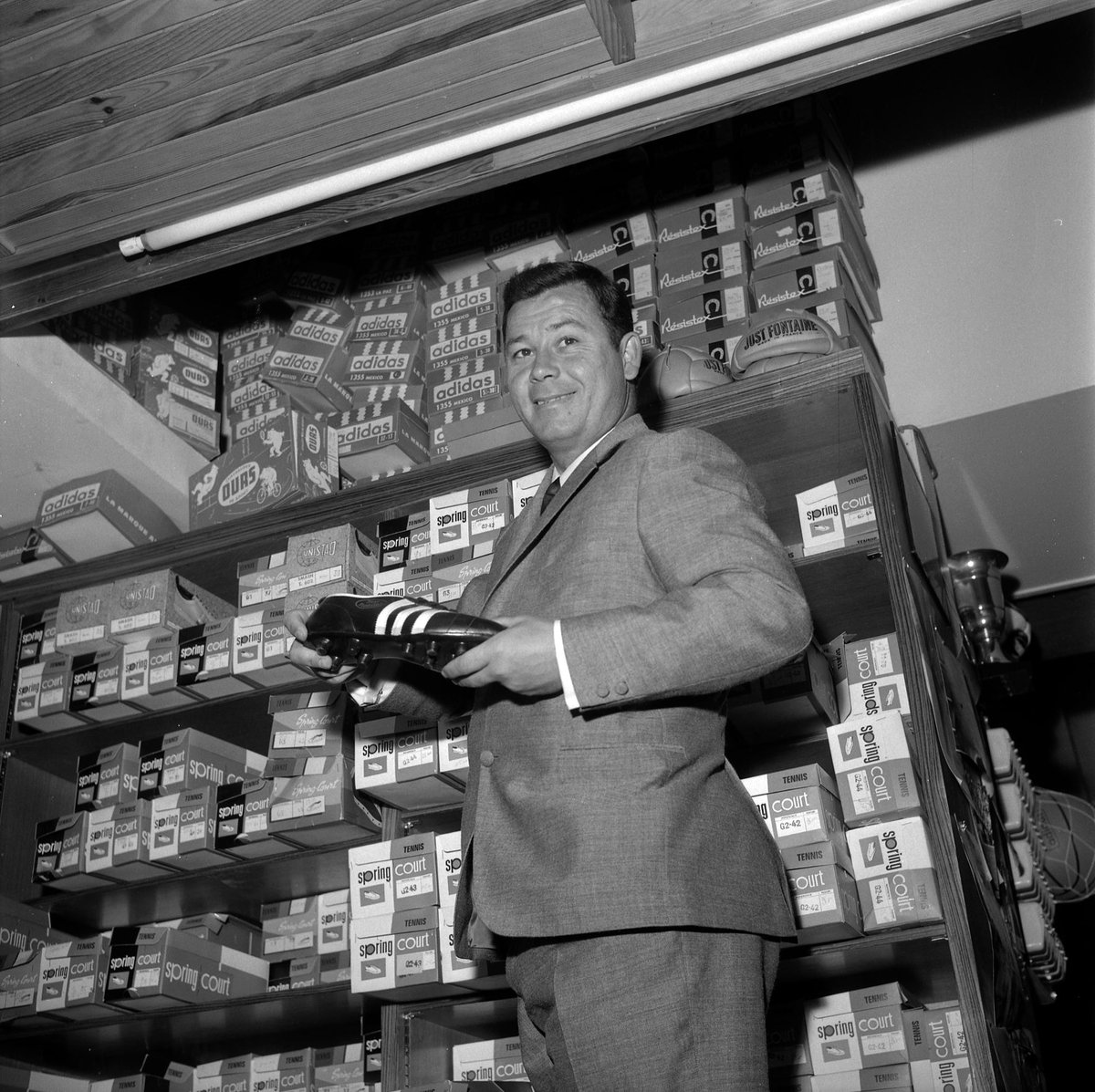
Just Fontaine scored 13 goals in the 1958 World Cup. He never played in another one. This is not a tragedy. This is a warning label we ignored for seventy years.
Fontaine’s record stands untouched because modern football has learned nothing from his cautionary tale: the moment a player becomes commercially viable, the machinery moves in. Sponsorships, endorsements, appearance fees—the apparatus that now surrounds elite athletes was already circling in 1958, just wearing a different suit.
The injury that ended Fontaine’s career at 28 is treated as bad luck, as if fate simply intervened. But consider the timeline. A player has a tournament of his life. Suddenly he is valuable. Suddenly there are obligations. Suddenly there are shoes to sell, appearances to make, contracts to honor. The body wears down not from football alone but from the weight of being a brand.
Today’s strikers obsess over their Instagram metrics the way Fontaine had to obsess over his boot deals. The relentless schedule, the sponsorship commitments disguised as “promotional duties,” the pressure to remain marketable—these are not distractions from sport. They are the sport now. The football is secondary.
Fontaine’s 13 goals remain a monument to what happens when a player peaks before the machine catches up. He scored them in borrowed shoes, literally and metaphorically. Everything else belonged to someone else’s contract.
Modern football has made this the only way to play.