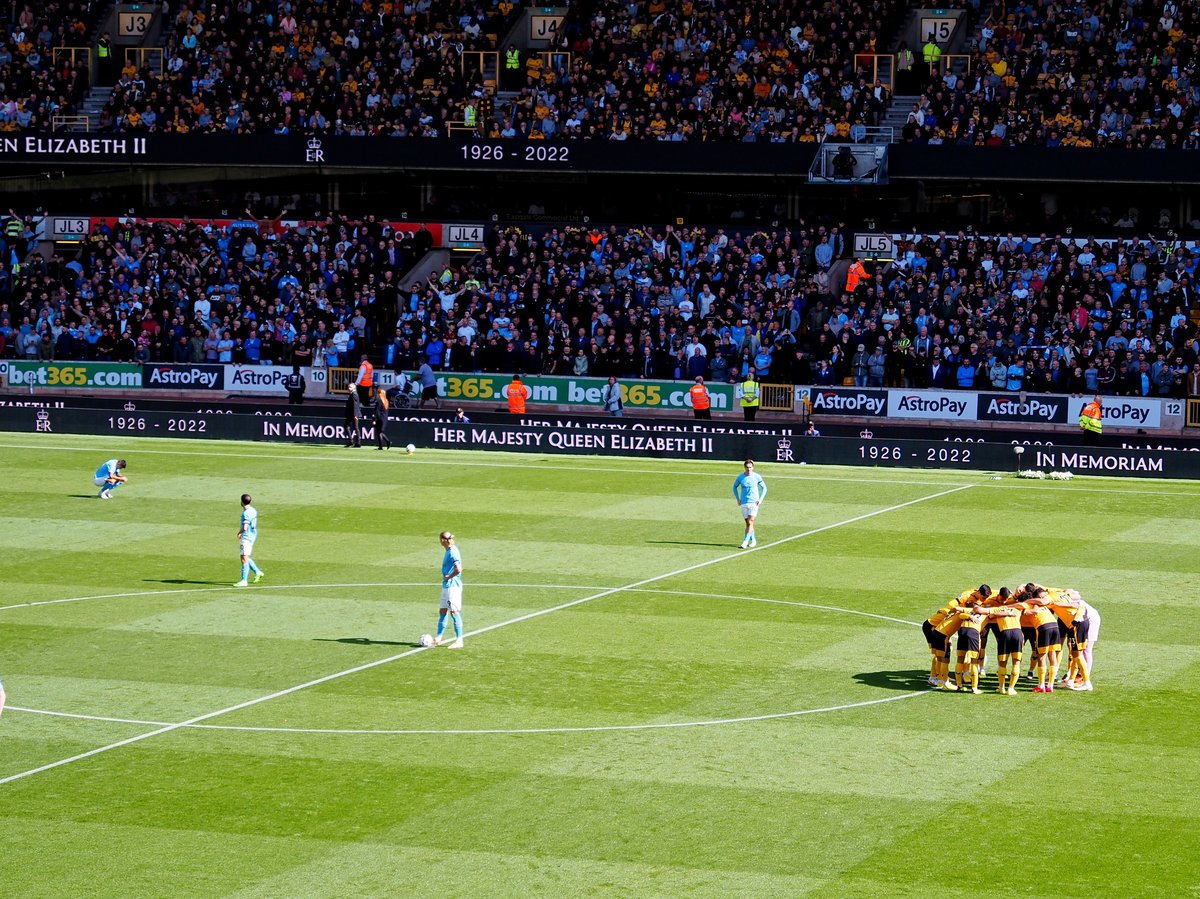
The extended international break was supposed to be a gift to the modern footballer: time to recover, time to rest, time to remember why they fell in love with the game. Instead, sources close to several Premier League squads suggest players have spent the past fortnight engaged in increasingly abstract discussions about the nature of competition itself, with one midfielder reportedly asking his physio whether a goal really counts if nobody’s there to see it.
What began as a welfare initiative has morphed into something resembling a philosophy retreat that nobody signed up for. Players are returning to their clubs not with recharged batteries, but with existential questions that frankly make managers nervous. One forward spent four days in Tuscany contemplating whether the offside rule is a social construct. Another has started a podcast about the meaninglessness of clean sheets.
The irony is sharp: give footballers time off and they discover that time off is where the real crisis lives. No matches mean no distractions from the void. No opponents to hate means turning that intensity inward, toward questions like “What is the purpose of a corner if we’re all just atoms?” and “Does my contract have meaning?”
Clubs are now facing a genuine problem. Do you send players back to training with meditation apps and therapy notes, or do you just get them back on the pitch before they unionize around some new philosophy about the exploitation of their labour through existential boredom?
The extended break was meant to protect players. Instead, it has given them time to think. Managers everywhere are learning what philosophers have always known: idle hands are one thing, but idle minds in professional athletes is a different beast entirely.