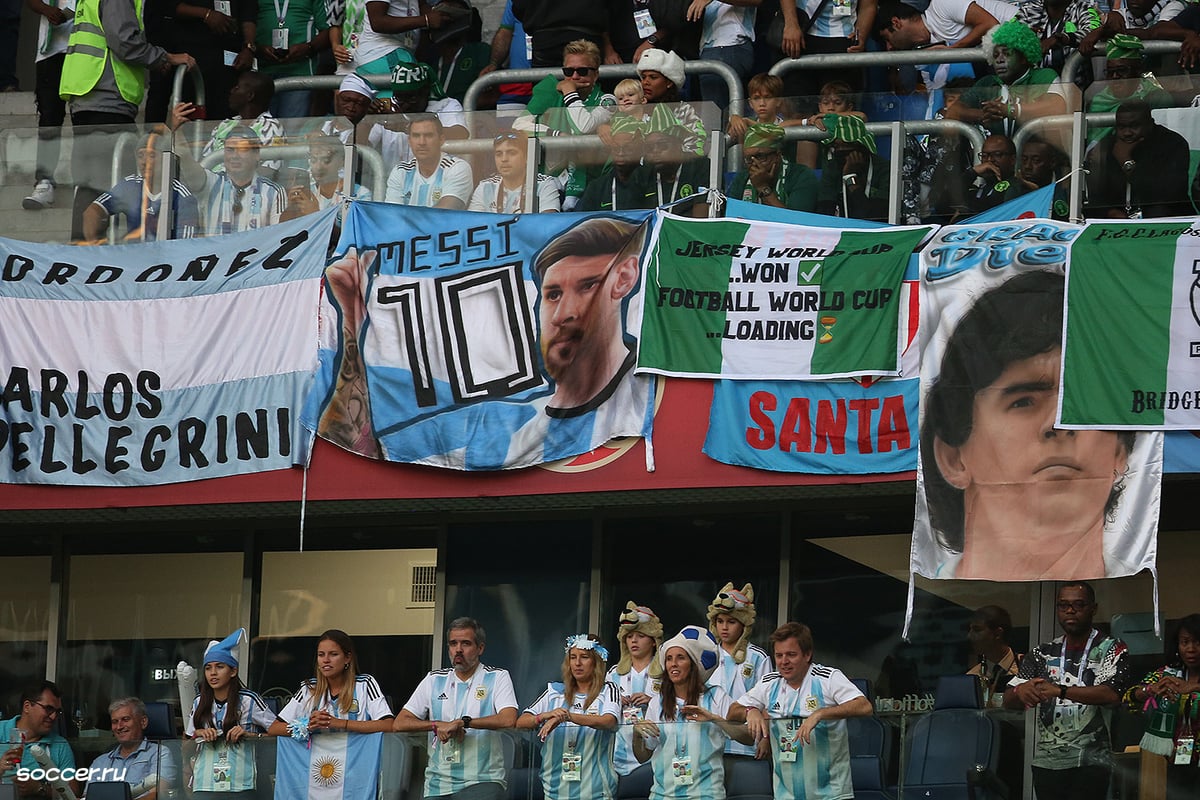
Wednesday’s semi-final between England and Argentina is not, technically, a war. The UN has confirmed this. But someone should probably tell the press corps, because the pre-match rhetoric has escalated beyond anything the Geneva Convention anticipated.
This rivalry did not begin in 2022. It did not even begin in 1986, when Diego Maradona’s Hand of God sent England home weeping. No—this is a grudge match that has been fermenting since 1982, when Argentina’s Luis Gallagher looked directly at a camera and called English players “animals.” The word has never been forgotten. It has been laminated. It has been framed. It lives rent-free in the collective English psyche, a two-word insult that somehow carries the weight of a thousand diplomatic incidents.
Then came 1998. David Beckham’s red card in Saint-Étienne. A tackle that sent him off, a nation into mourning, and Argentina into the quarter-finals. For eight years, Beckham carried that expulsion like Cain carried his mark. The 2002 World Cup was his redemption arc—a penalty converted, a nation forgiven, a man reborn. Except Argentina remembers the 1998 version. They remember the boy who got sent off. They will bring this up on Wednesday.
Now, in 2026, both nations arrive at the semi-final as if approaching a negotiation table with translators, lawyers, and a mediator from the International Court of Justice. The press conferences have become peace talks. Every word is parsed. Every silence is weaponized. The stakes are not just a World Cup place—they are historical vindication, national honor, and the right to tell this story for the next forty years.
Football does not solve diplomatic tensions. But occasionally, it crystallizes them into something so perfectly absurd that even the players seem aware they are acting out a script written by history itself.