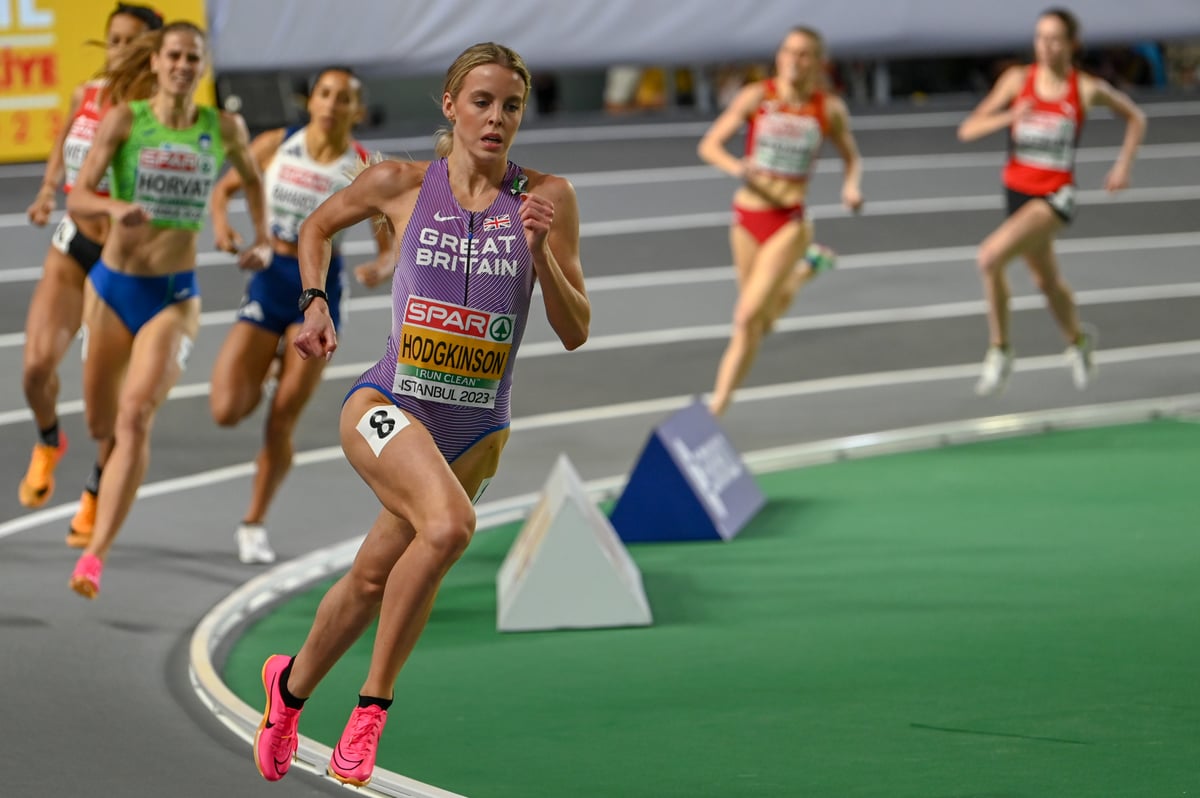
The Athlos 800m has become what the Olympics pretends to be: a geopolitical flashpoint dressed up as sport. Keely Hodgkinson won on Thursday night, and somehow the real competition was not between runners but between nations, sponsors, and the relentless march of athletic fashion as a form of soft power.
Hodgkinson’s all-black custom speed suit was not merely clothing. It was a statement. A flex. A calculated assertion of British engineering meeting human velocity. While other athletes wore the standard-issue gear their federations and sponsors had negotiated into existence through labyrinthine contracts, Hodgkinson arrived in what can only be described as a monument to sartorial dominance. The suit was so aggressively black, so deliberately minimalist, that it seemed to whisper: we do not need your logos. We are the logo.
But here is where it gets interesting. The Athlos itself exists because billionaires decided track and field needed a Manhattan-based rebrand. The event is corporate theater masquerading as athletic purity. Hodgkinson’s victory, then, becomes a small rebellion within a larger system of control. She won while wearing something that suggested she was above the usual sponsorship games, even though the suit itself is almost certainly the product of a sponsorship deal so exclusive it cannot be named in public.
This is the absurdity of modern sport: the athlete who appears most independent is often the most strategically packaged. Hodgkinson ran fast. She also won the meta-game of looking like she was not playing it. The international tensions? Those exist only in the minds of commentators desperate to find meaning in what is ultimately a woman in a black suit moving very quickly around a track in New York City.