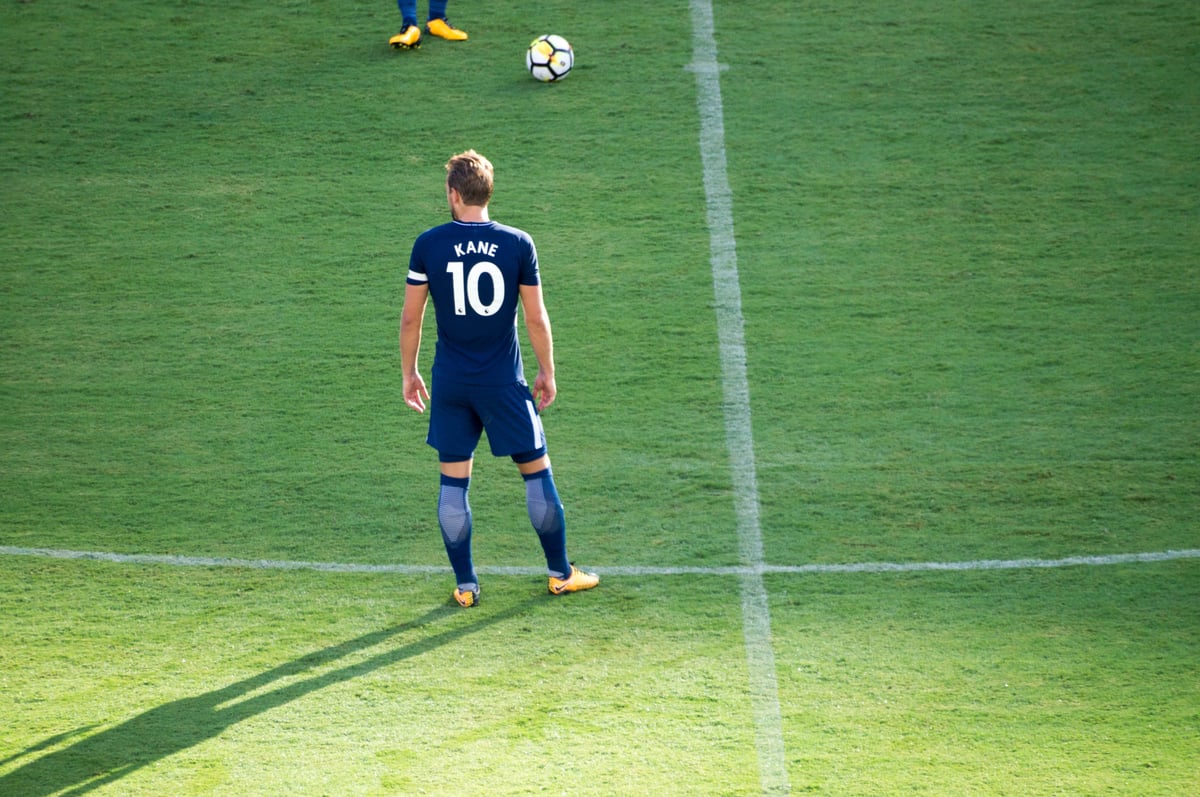
Harry Kane has spent his entire career perfecting the art of the near miss. He is, in many ways, the Sisyphus of modern football—eternally pushing the boulder of greatness up the hill, only to watch it roll back down just as the summit comes into view. Now, at the age of 33, he is attempting something that history suggests is nearly impossible: winning the Ballon d’Or without a major trophy to his name.
The precedent is brutal. The award gravitates toward those who have just lifted something shiny—a Champions League, a Premier League title, a World Cup. Kane has won neither of the first two, and his World Cup appearance ended in the quarterfinals. Yet here he stands, having scored prolifically for Bayern Munich while his teammates collected hardware elsewhere, asking the football world a question it has never quite answered: Can pure, relentless productivity substitute for the trophy case?
This is not analysis. This is tragedy. Kane’s career reads like a Greek myth written by someone who really enjoys spreadsheets. The assists, the goals, the consistency—all of it rendered almost meaningless by the simple fact that when the moment arrived, someone else was holding the trophy. Lewandowski won it. Messi won it. Haaland will probably win it.
Kane’s Ballon d’Or bid is not a sporting question. It is a philosophical one. It asks whether we have built an awards system so trophy-obsessed that it has rendered excellence itself secondary. The answer, almost certainly, is yes. And Kane, as always, will finish second.