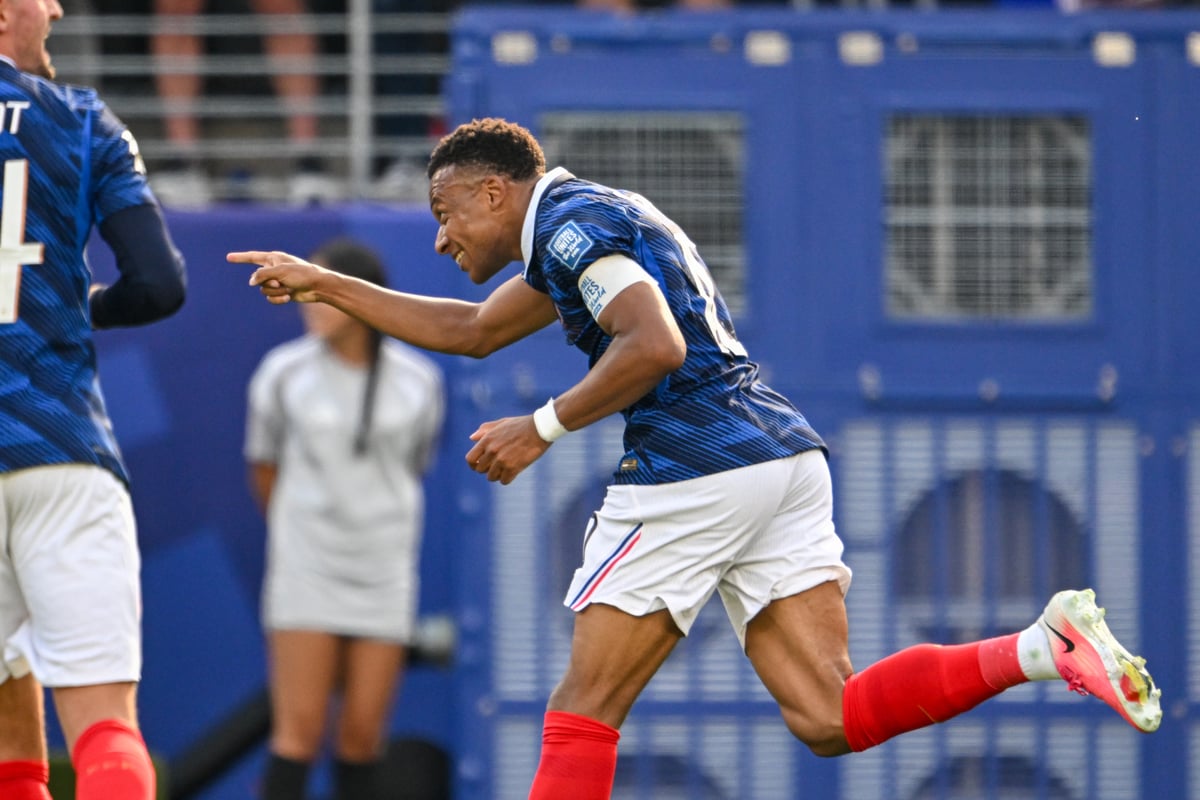
GENEVA — Emergency sessions have been convened across three continents as the 2026 World Cup Golden Boot race descends into what officials are calling a ‘state of controlled hysteria.’ Stock markets have adopted a wait-and-see posture. Streets fill with supporters clutching hand-drawn charts comparing conversion rates. One nation’s prime minister has allegedly canceled cabinet meetings to study video footage of a striker’s left-foot technique.
The crisis is real: we do not know who will win it. This is unprecedented. In previous tournaments, the narrative crystallized by the quarterfinals. A clear villain emerged. Penalties were blamed. Injuries were mourned. But 2026 has delivered something far more destabilizing — genuine ambiguity.
Three strikers remain locked in a statistical dead heat, each capable of explosive brilliance followed by the kind of finishing that makes coaching staff question their life choices. One scored a hat-trick last week, then missed an open goal from six yards. Another has been invisible for ninety minutes before producing a worldie in stoppage time. The third exists in a state of quantum superposition: both clinical and chaos simultaneously.
Governments have issued statements urging calm. They have not worked. Citizens have begun rationing hope like it’s a scarce resource. Economists warn that productivity may not recover until a winner is crowned. One betting syndicate has reportedly hired a sports psychologist to predict not just who will score, but how they will celebrate.
The Golden Boot race has transcended sport. It is now a test of national character, collective sanity, and humanity’s capacity to endure uncertainty. The knockout stages have never felt so terrifying.