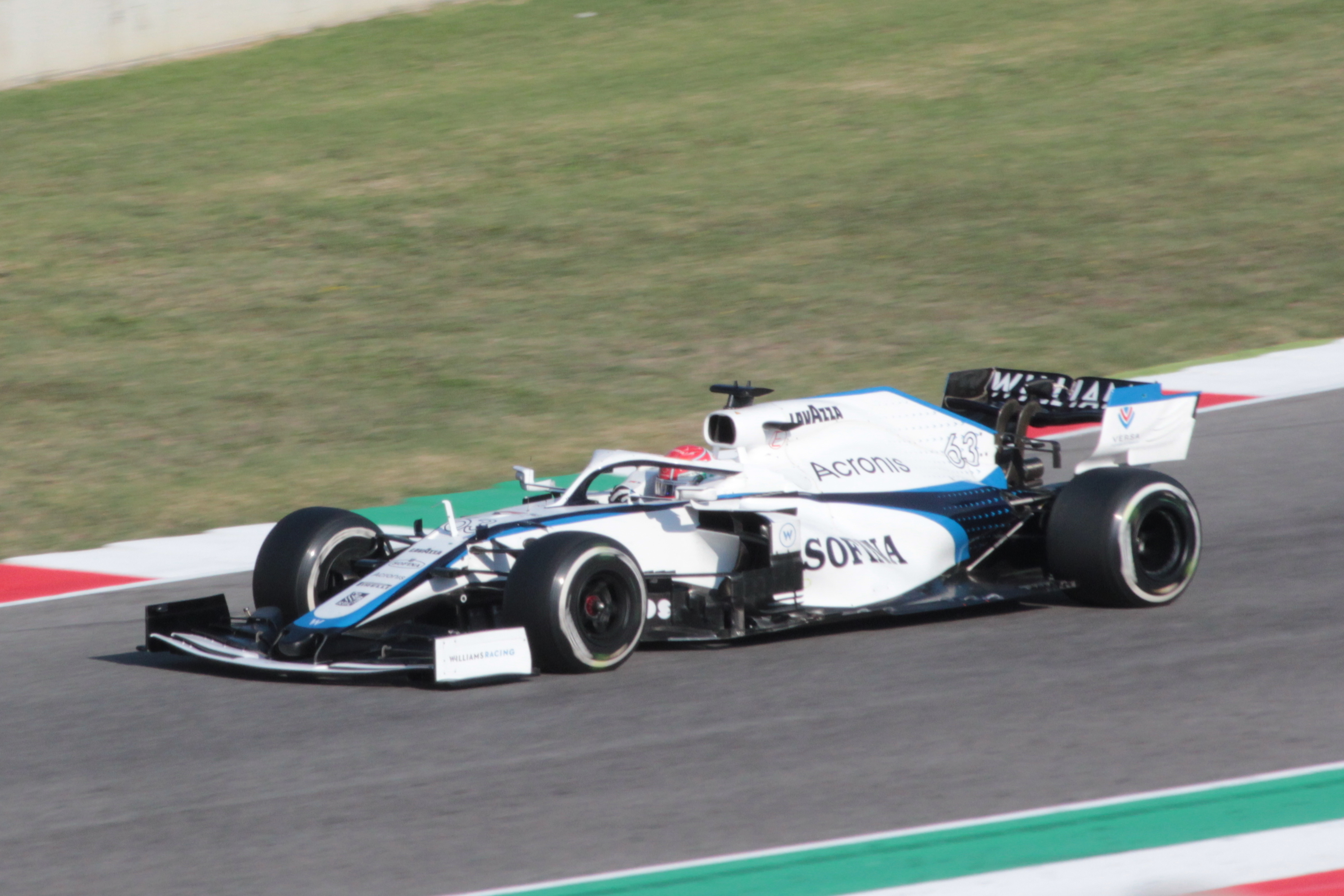
George Russell’s qualifying lap at the Austrian Grand Prix has triggered what can only be described as a spiritual awakening across the United Kingdom. The Mercedes driver’s unexpected pole position—achieved through what witnesses are now calling a “magic lap”—has prompted serious theological discourse about whether Formula 1 deserves official religious status.
The lap itself was, by all accounts, quite good. Russell nailed his braking points. He found grip. The car worked. Standard motorsport excellence, really. But somewhere between Turn 3 and the final sector, the narrative transformed. Sky Sports commentators began speaking in hushed, reverent tones. Social media users invoked divine intervention. One prominent pundit suggested Russell had achieved “a state of automotive enlightenment.”
By evening, the Church of England was fielding genuine inquiries from members asking whether they could transfer their Sunday devotion to the Spielberg circuit. A think tank released a white paper arguing that F1’s combination of danger, precision, and incomprehensible technical regulations already satisfies the criteria for organized religion. Parliament’s Culture Committee has reportedly scheduled a discussion.
Russell himself remains baffled. He gave a perfectly reasonable post-qualifying interview about tire temperatures and setup adjustments. Nobody was listening. They were too busy debating whether his qualifying performance qualified as a miracle, a sign, or simply evidence that he had transcended the mortal plane.
The Austrian Grand Prix will proceed as scheduled. But Britain has fundamentally changed. We now have a new faith, and it poles on Saturday afternoons.