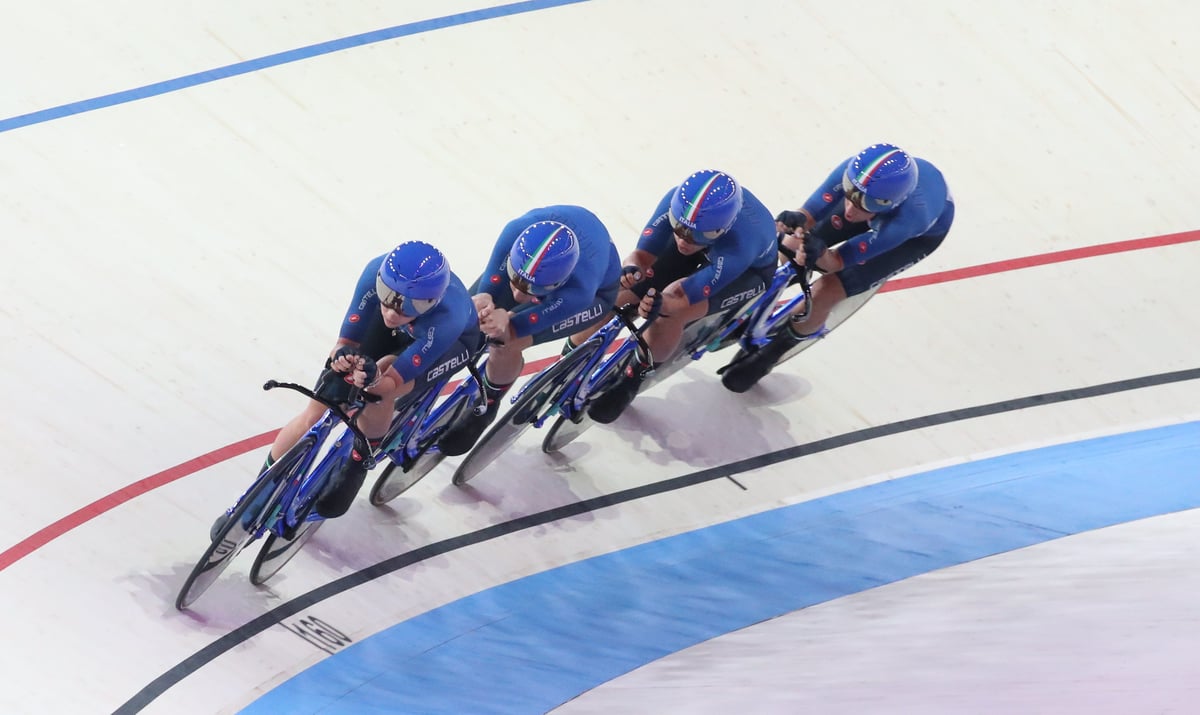
There is a particular kind of chaos that makes bookmakers nervous. It is not form sheets or weather. It is the unpredictability of human biology colliding with competitive sport, and on Thursday morning in Melbourne, England’s team pursuit squad served up exactly that.
Someone was sick. Not metaphorically sick. Actually, violently ill. The kind of morning that would send most people back to bed with a hot drink and regret. Instead, these cyclists got on their bikes.
The gamblers noticed immediately. Here was a team visibly compromised—dehydrated, weakened, possibly still tasting their breakfast—lining up against competitors who had managed to keep their food down. The odds shifted. The smart money smelled blood. This was not supposed to work. This was chaos. This was a bet waiting to happen.
And then they won. Gold. In the velodrome. After vomiting in the morning.
This is what modern sport has become: a narrative so perfectly constructed that it feels written by an algorithm designed to extract maximum emotion from minimum sense. An athlete’s suffering is not a setback to overcome in private—it is content. It is a story beat. It is a reason for someone’s £50 flutter to suddenly become £800.
The cyclists performed brilliantly, obviously. But the real victory belonged to the people who understood that sometimes the worst possible thing happening to an athlete at 7 a.m. is exactly the kind of plot twist that pays out at 4 p.m. Sport has always been unpredictable. Now it is also profitable in ways that make you wonder who is really winning: the riders crossing the line, or the people who bet against them and won anyway.