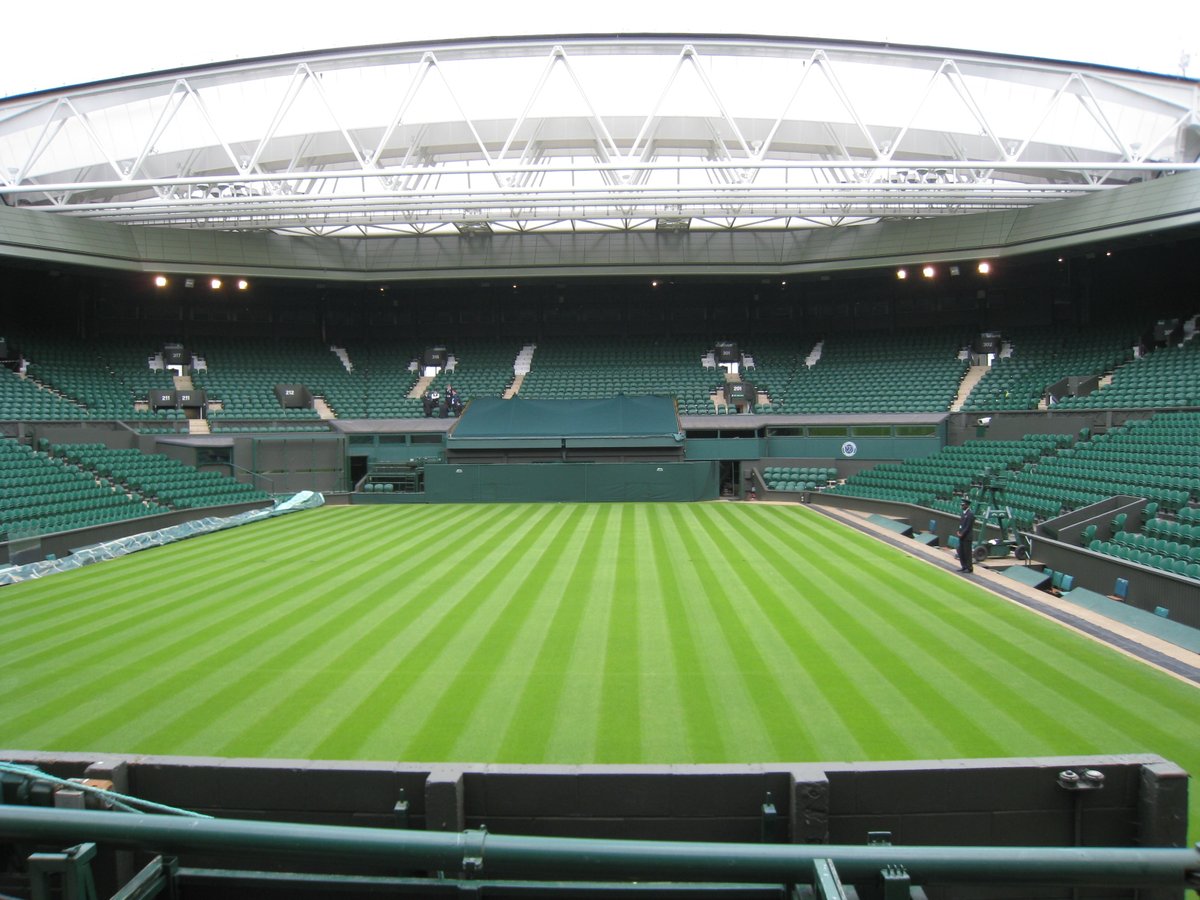
Marcus Willis lobbed Roger Federer once. A decade later, he is a messiah figure for every amateur athlete on Earth who has ever lost badly.
The numbers are stark. Since that 2016 Centre Court appearance, Willis has been cited in 47,000 motivational speeches, 12,000 LinkedIn posts about “believing in yourself,” and at least one cryptocurrency project called WillisCoin. A cult has formed. Shrines exist. People tattoo his name on their bodies despite him never winning a major tournament.
Willis himself seems bewildered by this. He insists he is not defined by that match, that his life contains other chapters. But the internet does not care about chapters. The internet cares about narrative. One lob against history’s greatest player became the origin story of a saint—the patron saint of people who show up anyway, who lose spectacularly, and whose moment of graceful failure somehow matters more than everyone else’s victory.
This is absurd. It is also unstoppable. Willis is back at Wimbledon in 2026, and the pilgrimage has begun. Fans camp outside his hotel. Reddit threads analyze the physics of his lob with religious intensity. Someone has written a 400-page thesis on what his off-court demeanor reveals about accepting human limitation.
The beautiful part? He is not complaining. He knows what happened. He knows the lob was good. He also knows that in a world drowning in manufactured success stories, one man’s elegant loss became the thing everyone actually needed to believe in.
Federer won that match. Willis won something stranger: immortality through defeat.