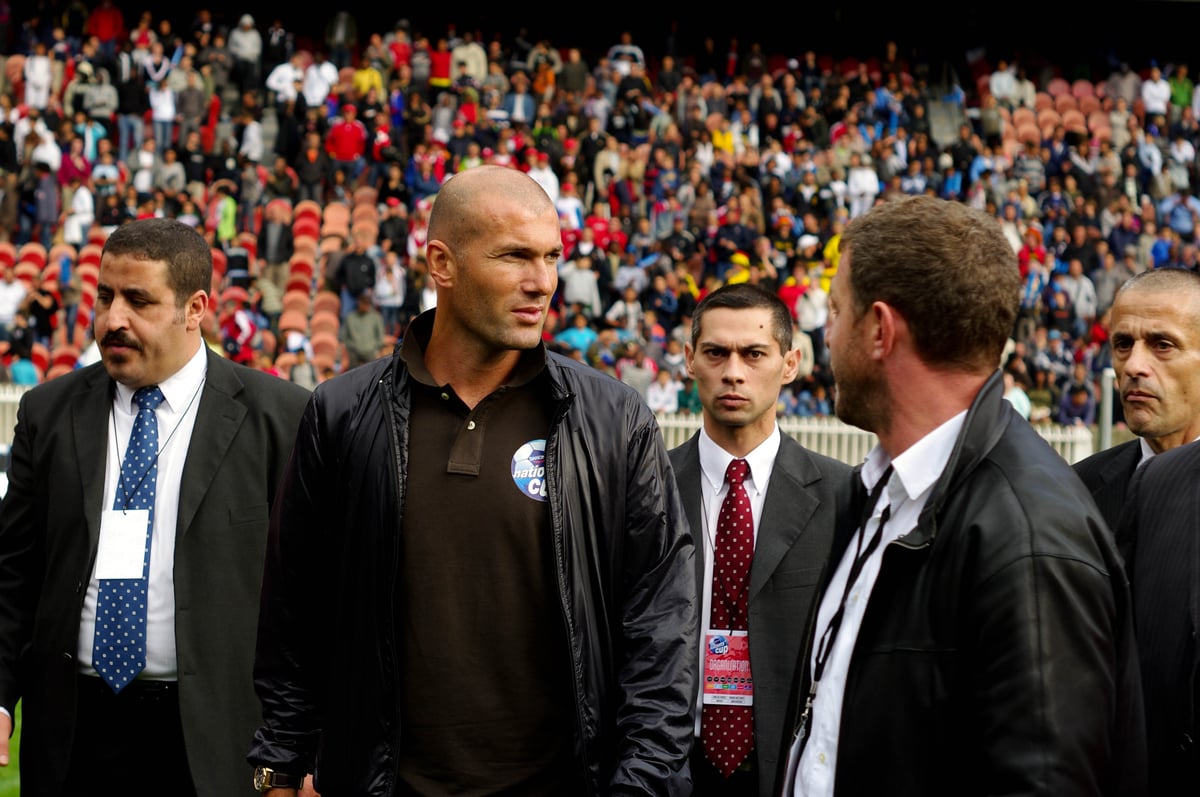
France has elected a new leader. Not through ballots or parliamentary procedure, but through the ancient ritual of appointing a football manager to fix everything that is broken in the national soul. Zinedine Zidane, five years removed from management and armed with nothing but legend status and impeccable hair, has arrived to save the republic.
The timing is almost too perfect. France needed a messiah figure, someone who could walk into the chaos and restore order through sheer force of personality. Zidane waited. He waited like a dormant god, knowing that the moment would come when the nation would collectively lose its mind and demand his return. That moment is now.
But here is where the satire collapses into uncomfortable truth: Zidane’s appointment is less about football and more about national mythology. He won a World Cup in 1998. He scored in a Champions League final. He headbutted Marco Materazzi on the greatest stage in sport. The French do not simply remember these moments—they have canonized them. Zidane is not a manager. He is a vessel for collective hope, which means he is also a vessel for collective despair.
Five years away from the dugout is an eternity in modern football. Tactics evolve. Players demand different things. The game accelerates. Yet none of this matters to France, which has essentially voted for a symbol and hoped that symbols can win matches. They can’t. But for the next few months, the nation will believe they can. That is the drama of modern football masquerading as politics: the desperate faith that one brilliant person can solve everything, followed inevitably by the crushing realization that they cannot.
Zidane will either be vindicated or become the most expensive lesson in national delusion France has learned in years.