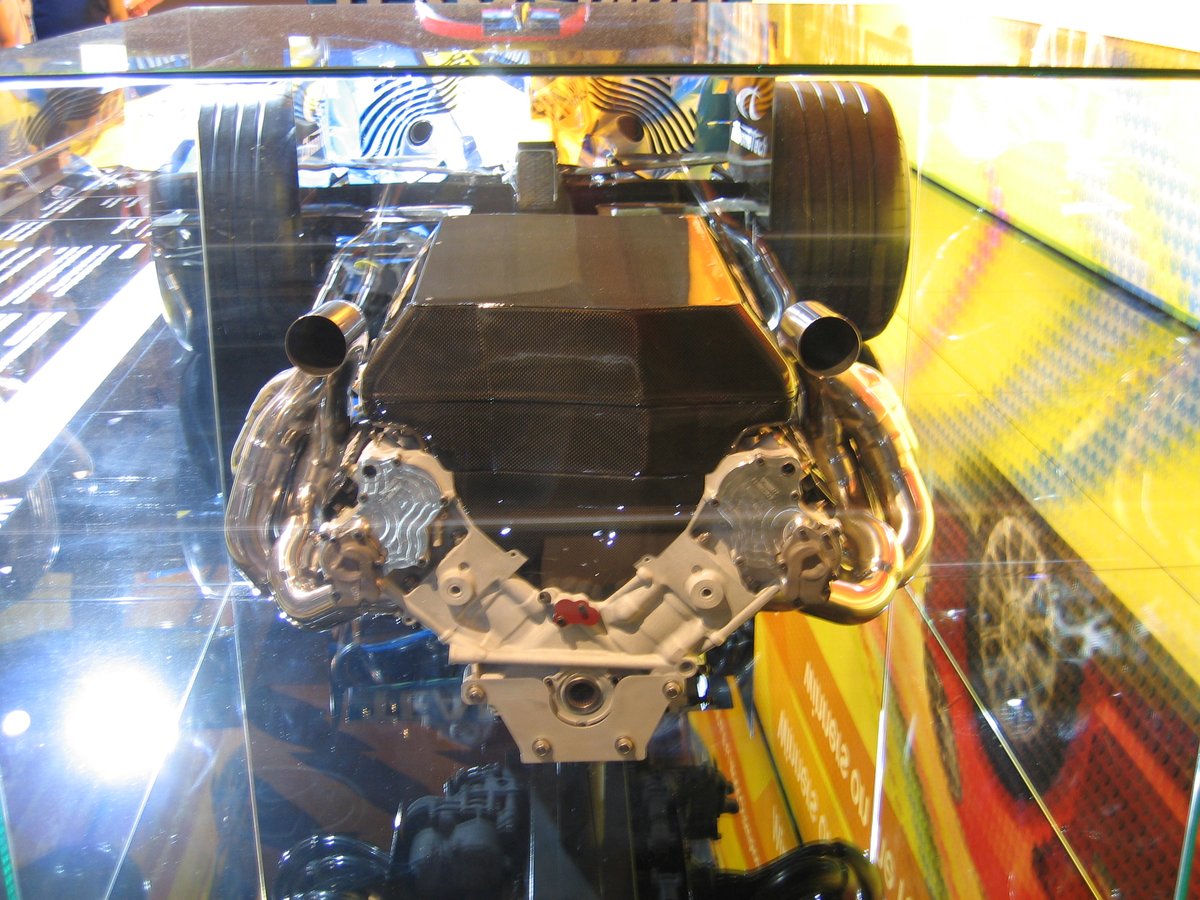
Formula 1 has officially capitulated to the roar of the people. After weeks of fan outcry that would make a political uprising look quaint, the sport’s governing body has agreed to a two-step engine redesign plan. The internet has collectively declared this a victory for democracy. Liberty Media did not storm the Bastille. They simply changed some pistons.
Yet watch the reaction unfold as if Monza has been liberated from tyranny. Social media erupted with the kind of triumphalism usually reserved for actual revolutions. Engineers who spent eighteen months designing the current power unit are now being asked, with the gentleness of a guillotine, to start again. The paddock has split into factions. Some teams see opportunity. Others see catastrophe. Everyone agrees it matters immensely.
Here is what actually happened: F1 acknowledged that this year’s engine rules were unpopular and created technical problems. The solution is a measured, phased adjustment. Measured. Phased. The kind of thing that happens in sport when enough people complain loud enough and long enough.
But the discourse has transformed this into a referendum on the soul of racing itself. Fans speak of vindication. Critics speak of capitulation. The engines themselves remain fundamentally the same hybrid power units that have defined the modern era—just slightly less unpopular than they were in May.
The real revolution? Getting millions of people to care passionately about internal combustion mechanics. That part actually happened. Whether the new engines are better remains to be seen. What we know for certain is that the old ones were boring enough to spark a movement.