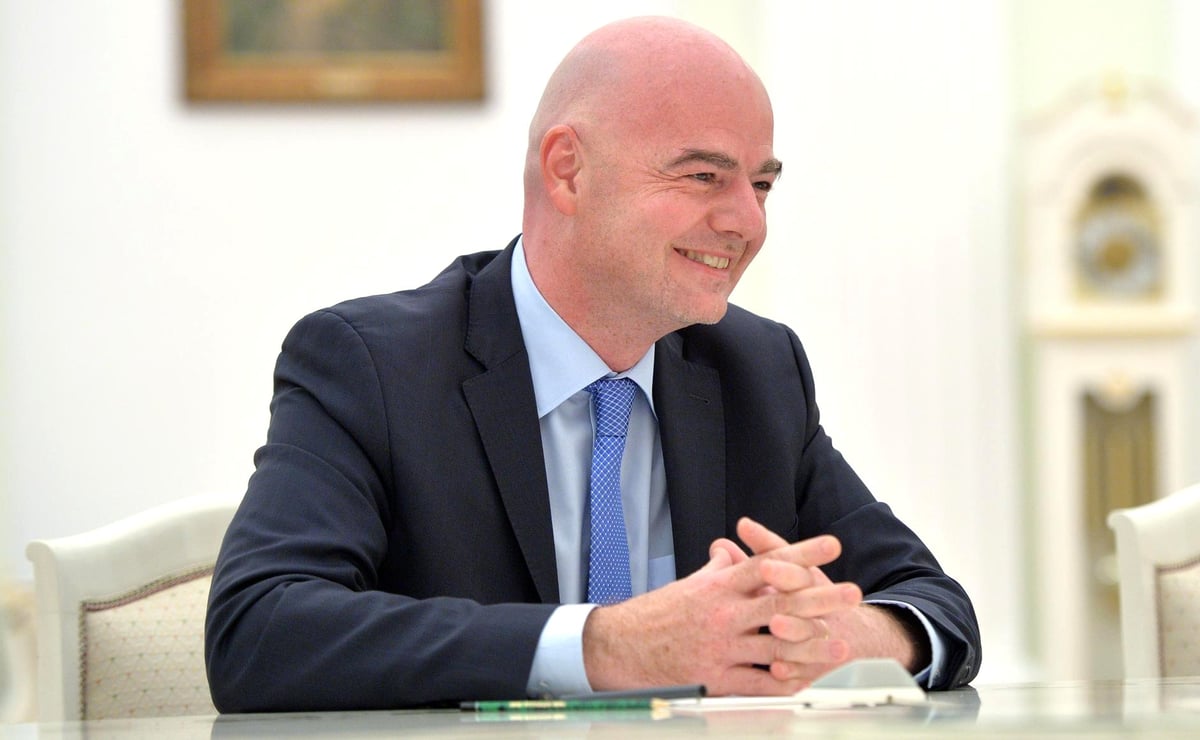
Gianni Infantino has apologized for errors. Not resigned. Not faced consequences. Apologized — the corporate equivalent of a player saying ‘my bad’ after a two-footed tackle, then staying on the pitch because the referee happens to be his mate.
The FIFA president’s “sincere” mea culpa arrived this week after his controversial private investment plans became impossible to ignore. The senior executives who govern world football’s most important institution have given him their backing, which is roughly equivalent to a board of directors voting to keep the captain of a sinking ship because he brings good snacks to meetings.
This is FIFA’s operating model now: scandal emerges, denial phase lasts exactly as long as plausible, apology is issued with maximum sincerity and zero accountability, then everyone moves forward as though institutional memory expired in 2015. The loyalty displayed by FIFA’s executive layer is not the kind you admire in sport — it is the kind you recognize in organizations where the people making decisions are also the people who benefit from those decisions staying secret.
Infantino remains president because the system that elevated him depends on him staying. Remove him and you risk questions about who hired him, who knew what, and when they knew it. Far easier to accept an apology, shake hands in a wood-paneled room, and wait for the next scandal to distract everyone.
FIFA did not become a reality show by accident. It became one because the executives running it have collectively decided that chaos is preferable to transparency. At least chaos is entertaining.