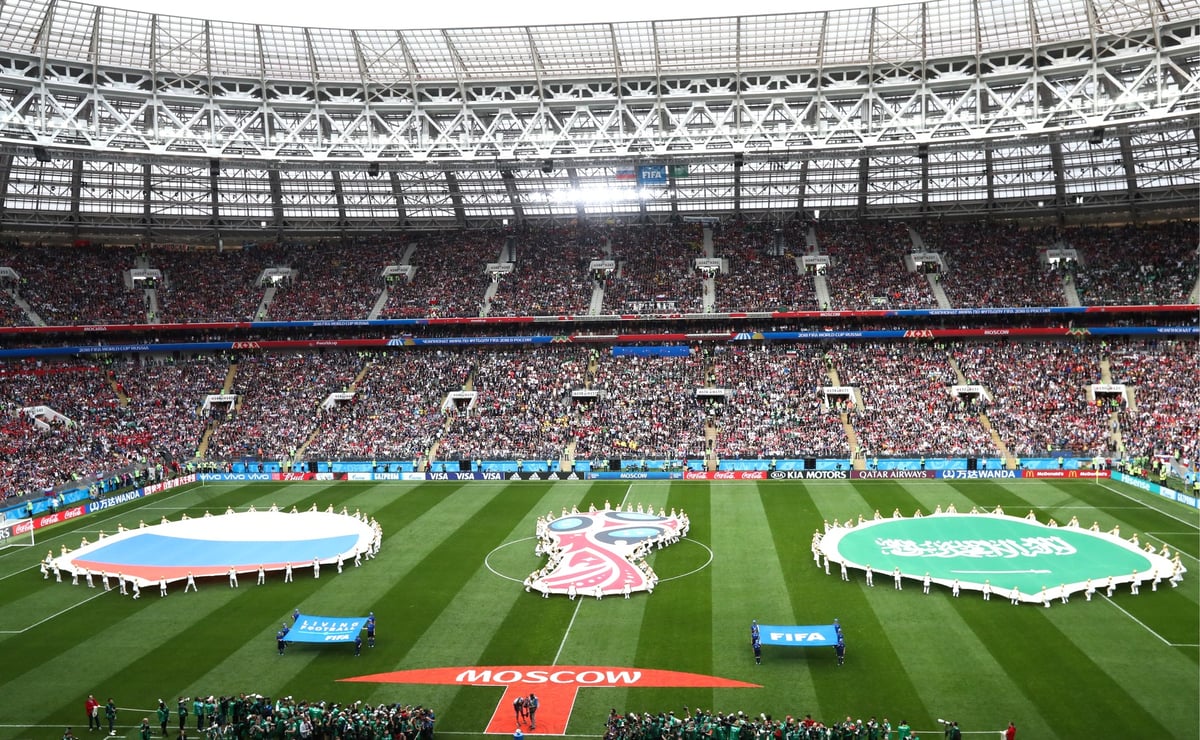
FIFA has solved soccer’s greatest problem: the game itself. On June 5, 2026, the organization unveiled what it calls a “unique, immersive experience” for pre-match ceremonies at the World Cup. Translation: they have finally figured out how to make sure nobody is paying attention when the ball gets kicked.
Let’s be clear about what’s happening here. For decades, FIFA has watched the most popular sport on Earth and thought: this is fine, but what it really needs is more. More flags. More pyrotechnics. More anthems. More spectacle. The kind of ceremony that makes you wonder if you accidentally bought tickets to the opening of a Las Vegas casino instead of a soccer match.
The irony is almost too perfect to satirize. We live in an age where every match is already broadcast in 4K, where you can watch replays from seventeen angles, where VAR has turned ninety minutes of sport into a three-hour referendum on whether a defender’s pinky toe was two millimeters offside. And FIFA’s response is: let’s add more production value. Let’s make sure the first thirty minutes of every match day is dedicated to the kind of choreography usually reserved for a Beyoncé world tour.
This is what happens when an organization stops asking whether it should do something and only asks whether it can. Can we fit a marching band, a drone light show, and a pyrotechnic display into a ninety-minute window? Sure. Should we? That’s a question for people who care about the sport, and FIFA stopped consulting those people around 1994.
The stated goal is to create an “immersive experience.” What they mean is: we need you so distracted by the spectacle that you don’t notice the actual game is often decided by a referee’s mood, a VAR official’s interpretation of a rule written in 1863, or which team hired the better sports psychologist. If we can blind you with enough fireworks, you’ll forget to ask why we gave Qatar a World Cup in the middle of their summer, or why we’ve been moving tournaments around like we’re playing 4D chess with time zones.
The real genius here is that FIFA has identified soccer’s actual weakness: it’s sometimes boring. Not always. Not even most of the time. But occasionally, a match between two defensive-minded teams plays out like a chess match between two extremely cautious accountants. And instead of accepting that this is part of sport—that not every moment is a highlight reel—FIFA has decided to outsource entertainment to the opening credits.
Consider what this signals. It says: we don’t trust you to watch ninety minutes of sport without visual stimulation every five seconds. It says: the game itself is the appetizer, and the real meal is the production design. It says: we have so much money that we can afford to spend it on things that have nothing to do with the sport, and we’re not even slightly embarrassed about it.
Meanwhile, players will jog out to a wall of sound and light so intense that half of them will be temporarily blinded by the time they reach the pitch. The other half will be deafened. Both groups will be wondering if they’re about to play soccer or if they’ve accidentally wandered into a nightclub. The referee will be checking his watch, thinking about how much of the actual match time is already gone. The fans will be filming the ceremony on their phones instead of watching it with their eyes, which means they’ll experience the ceremony through a six-inch screen while sitting in a stadium that cost $500 million to build.
This is not an enhancement. This is a distraction mechanism designed by people who have never actually worried that people might stop watching soccer. Because they won’t. Soccer is too big, too global, too woven into the fabric of how billions of people spend their time. FIFA could have a match opened by someone reading the phone book in monotone and people would still tune in. So they’re not trying to make the game better. They’re trying to make it more Instagram-friendly. They’re trying to create content that can be clipped and shared and liked and reposted until the actual match becomes secondary.
The 2026 World Cup will be massive. It will be watched by billions. The opening ceremonies will be extraordinary. And somewhere around the 12th minute of the first match, after the last pyrotechnic has fizzled and the last drone has landed, someone will score a goal that will be more beautiful than anything the pre-match production team could have created. And for about three seconds, before the next replay and the next camera angle and the next tactical analysis, people will remember why they fell in love with this sport in the first place. It won’t be because of the fireworks. It will be in spite of them.